
Senator Bernie Sanders, from Vermont, experienced two losses in the Democratic presidential primary, in 2016 and 2020. Each loss came as the party’s leaders unified behind more moderate candidates, while Sanders returned to his home base in Burlington. Despite these setbacks, Sanders’ ideas, once considered fringe, have significantly influenced the Democratic Party’s current mainstream beliefs.
Shift Toward Sanders’ Ideals
Today, Sanders’ stance on issues such as corporate influence and healthcare is widely accepted among Democrats. Polls reveal a notable shift in Democratic voters’ attitudes. Polling data shows strong support for ideas like Medicare for All and increased taxes on the wealthy. Sanders maintains high popularity as a sitting senator, even in a state governed by a Republican.
Polls Reflect Changing Attitudes
Surveys demonstrate a growing acceptance of socialist ideals among Democratic voters. An I&I/TIPP poll showed 46% of Democrats view socialism favorably, while an Economist/YouGov survey revealed that 58% are open to voting for a candidate identifying as a Democratic Socialist. Gallup highlighted a positive view of socialism among 66% of Democrats, contrasting with a less favorable view of capitalism.
Healthcare and Taxation
Healthcare and economic policies have seen similar trends. A survey by Data for Progress indicated that 65% of likely voters support a national healthcare plan resembling Medicare for All. Additionally, a Navigator Research survey found 79% of Americans back raising taxes on the wealthy. These data points suggest substantial support for policies once central to Sanders’ campaigns.
Electoral Influence of Progressive Candidates
The influence of Sanders’ ideas extends beyond polling data, manifesting in electoral victories across the country. Democratic Socialists of America have endorsed numerous candidates, resulting in significant wins. In New York City, several endorsed candidates successfully unseated established incumbents, illustrating this growing political movement.
In Michigan, a Senate race between Abdul El-Sayed and Representative Haley Stevens has become a battleground over the party’s future. The Democratic Socialists of America’s involvement in over 130 races highlights their growing electoral footprint.
Red Scare tactics only work on people who haven’t lived through what unchecked corporate power actually does,said Joseph Geevarghese, executive director of Our Revolution.
Midterm Challenges for Democrats
Despite these shifts, the overall Democratic brand faces challenges. A CNN poll reported a 28% favorability rating for the party, underscoring a need for greater alignment with voter concerns. According to Jim Kessler from Third Way, midterm elections hinge on voter turnout rather than persuasion, influenced by perceived extremism within the party.
While some attribute low approval ratings to economic factors and voter dissatisfaction, others cite internal party conflicts as a potential obstacle. The introduction of candidates like Abdul El-Sayed and Graham Platner highlights the complexity of maintaining a balance between progressive and centrist values in pivotal states.
Impacts of Sanders’ Ideas
Sanders’ popularity in Vermont remains a topic of discussion. Despite his progressive stance, his enduring support in a state with a Republican governor raises questions about the replicability of his model elsewhere. As Democrats confront the upcoming midterms, both moderates and progressives are evaluating their strategies in light of Sanders’ enduring influence.
The question remains whether Sanders’ approach can guide the party to success in competitive elections. Though his ideas have gained traction, significant challenges persist in translating this popularity into electoral victories across diverse districts.
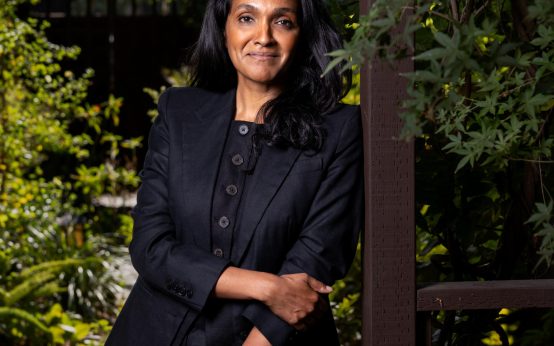 Nithya Raman: A Passion for L.A.
 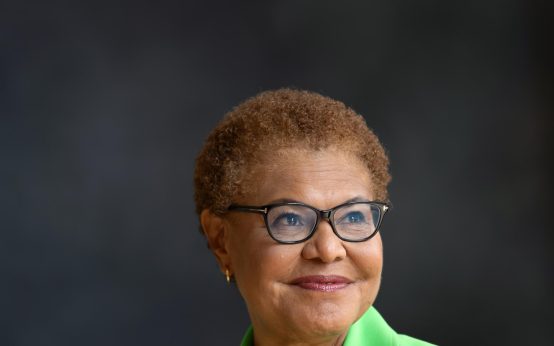 Los Angeles Mayor Karen Bass Discusses Her Tenure, Challenges, and Achievements
  California Republicans Distance Themselves from Trump Ahead of Elections
  President Trump Bans CNN, MS Now, and Politico from White House
  Navigating a Divided House: Strategies for Advancing the Presidential Agenda
  Berlin’s Mayoral Race: A Candidate Inspired by New York Leadership