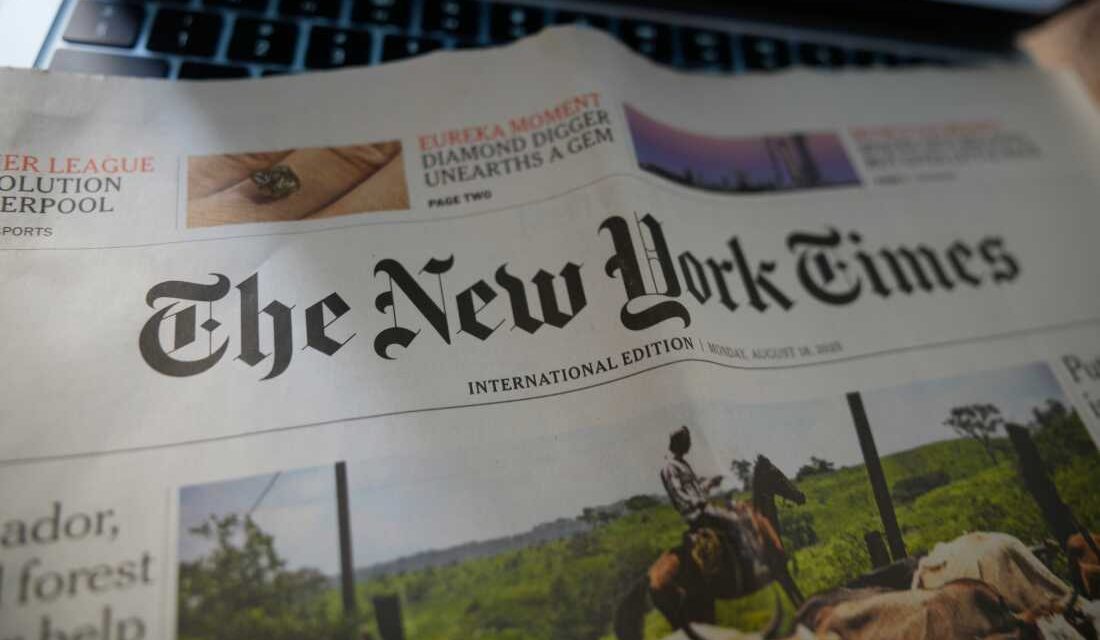
The Justice Department has decided to withdraw subpoenas demanding grand jury testimony and phone records from New York Times journalists. This move followed intense questioning by a federal judge, who scrutinized nearly every aspect of the government’s approach.
The government previously argued that the subpoenas were issued in the interest of national security. This development came just two days after the Times published articles about the U.S. Secret Service’s intervention to prevent President Trump from flying home from Turkey on the newly commissioned Air Force One jet.
Judge Criticizes Government’s Actions
During a recent hearing, U.S. District Court Judge Arun Subramanian asserted that the Trump administration violated First Amendment protections for journalists. He criticized what he perceived as poor legal procedures and considered imposing sanctions on federal attorneys for allegedly not following the law and misleading the court.
This case underscores ongoing challenges to press rights and the free distribution of information. The administration’s attempts to extend executive authority were evident, as the prosecutors argued that the U.S. attorney general could bypass legal safeguards for journalists when deemed necessary.
Judicial Repercussions and Withdrawal
In the Manhattan hearing, the Justice Department’s legal team faced a judge’s warning that the subpoenas would be canceled if not withdrawn. David McGraw, the New York Times’ lead newsroom lawyer, expressed relief, considering this a victory for the First Amendment and legal principles.
Despite the withdrawal, a Justice Department spokesperson criticized the judge’s actions. The spokesperson emphasized that the investigation into the leak of classified information remains active and stressed its significance in national security.
Government’s Justification Questioned
Judge Subramanian challenged the justification for issuing subpoenas so soon after publication. The legal precedent requires seeking materials from reporters as a last resort, conflicting with the government’s rapid response.
Sean Buckley, the deputy U.S. attorney, maintained the subpoenas were authorized by the attorney general, insisting they could override journalistic protections under national security grounds.
Mistakes and Apologies
During the proceedings, errors were acknowledged, including requesting the phone records of a journalist’s relatives. Buckley apologized, describing these mistakes as unintended and attributed them to reliance on public databases.
FBI involvement was later reported, targeting testimony from journalists as directed by FBI Director Kash Patel. Meanwhile, NPR shared an account from Katherine Marsh, wife of Times reporter Julian E. Barnes, who described an armed FBI visit during a family movie night as unsettling.
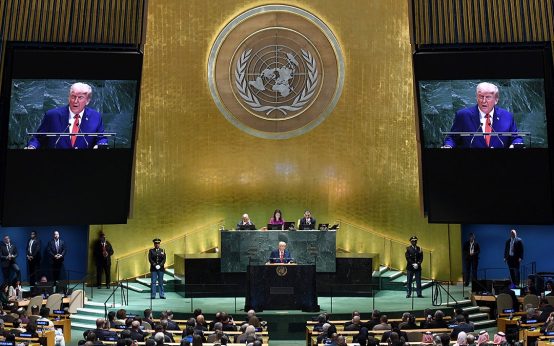 Trump’s Approach to Iran at the United Nations
 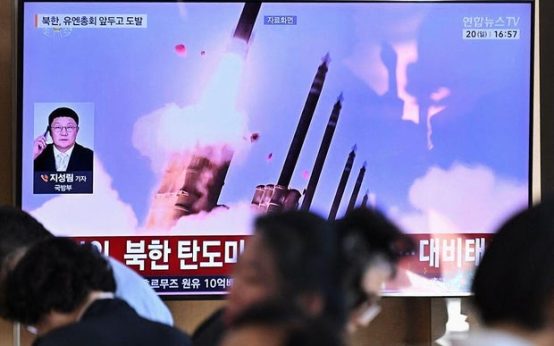 North Korea’s Missile Launches Escalate Tensions
  U.S. Plans for Permanent Army Base in Poland Amid Tensions with Russia
  Berlin’s Mayoral Race: A Candidate Inspired by New York Leadership
 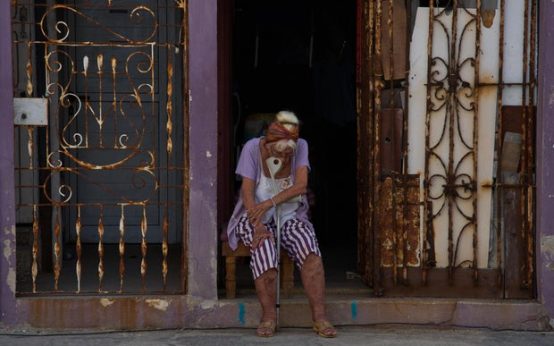 Cuba Faces Sixth Power Grid Collapse Amid U.S. Fuel Blockade
  Daring U.S. Rescue Mission in Iran