The WNBA has faced intense criticism since Caitlin Clark entered the league. Clark has been at the center of cultural debates and has endured aggressive plays, often interpreted as signs of jealousy from fellow players.
The league has grappled with complex issues, including a divisive discussion on transgender athletes. Recently, it sparked more controversy by removing a post related to a bet between Angel Reese and Paige Bueckers. The two recorded a video wagering $400 on a game between their teams. However, the WNBA’s collective bargaining agreement strictly prohibits betting, outlining specific gambling rules in Section 5 of Article 14.
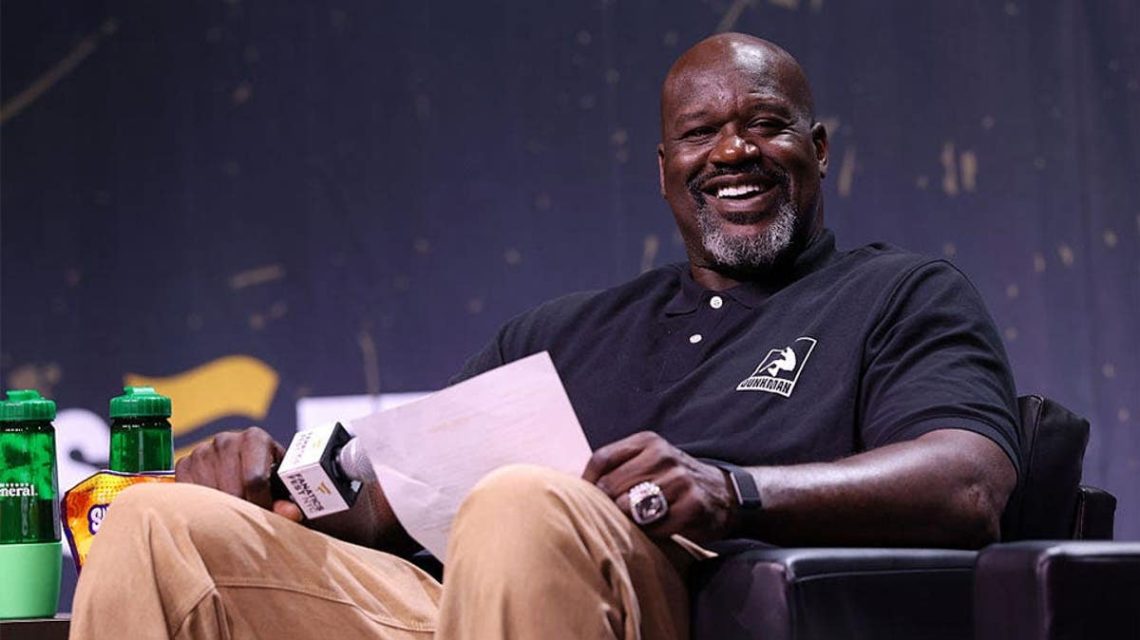
A WNBA spokesperson explained that the video intended to be humorous but “missed the mark.” Conversely, basketball legend Shaquille O’Neal downplayed the incident, describing the wager as a harmless “homeboy bet.” He suggested it shouldn’t be considered a serious offense. “She’s not point shaving,” O’Neal told Fox News Digital. He acknowledged professional jealousy toward Clark, expressing that it is part of the “rites of passage.”
O’Neal elaborated, “Players see her recognition and want the same. It’s competition. Once she navigates this period and maintains her performance, acceptance will follow.” He emphasized that young players often face challenges from established athletes. “Caitlin’s resilient and will handle it,” he said. He praised Angel Reese for her boldness on the court, suggesting Clark could adopt a similar approach.
Recently, Caitlin Clark criticized the WNBA for not adequately protecting players on and off the court. Her comments reflect ongoing tensions within the league. The situation underscores the need for addressing player concerns amid evolving discussions.
 Calls Grow for Ireland’s Soccer Team to Boycott Matches Against Israel
  Is NHL Preseason Necessary?
  Impact of World Baseball Classic on Paul Skenes’ Performance
  Ronald Acuna Jr. Suffers Injury During Game Against Cincinnati Reds
  Joe Burrow’s Unexpected Post-Game Recovery
  Rangers Place Players on Waivers Ahead of Season Opener