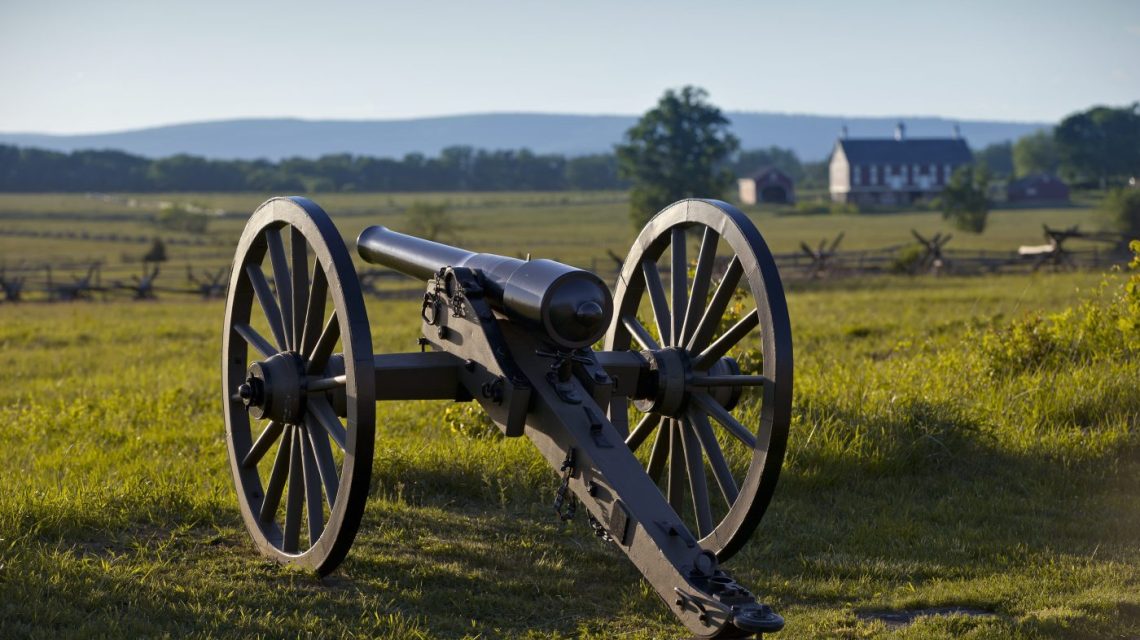
At sunset, a Union cannon on the Gettysburg Battlefield faces the field where Confederate troops launched Pickett’s Charge in July 1863. Gettysburg marked a pivotal moment in the Civil War, serving as the turning point between the North and South.
During a summer trip, I explored Gettysburg with my son, surveying the battlefield and visiting museums. Despite the historical resonance, my son found excitement later at Yankee Stadium, watching the St. Louis Cardinals play.
The morning ascent with the 4th Texas Infantry up Little Round Top brought into focus the conviction of those who fought. Unlike contemporary political stances, the motivations were sincere as they believed in their causes.
Slavery was recognized as the root of the war; those on both sides of the conflict held genuine belief in their differing causes. The Union’s cause, as exemplified by Joshua Lawrence Chamberlain’s defense, stood against the wickedness of slavery.
These reflections lead to a realization regarding modern politics—there’s a lack of sincerity among the politically engaged. Often, people fail to acknowledge that opponents genuinely believe in their positions, leading to a cycle of cynicism.
This attitude hinders effective discourse and governance. Misjudging opponents can perpetuate historical errors, as forceful minorities shape history. Without recognizing genuine belief across divides, future conflicts remain inevitable.
Now continuing my American vacation adventure, I anticipate returning to the newsletter and livestream next week. We will revisit topics like presidential raccoon trivia soon.
 Restoring the Basilica of Saint Francis of Assisi with AI and Technology
  Amir Odom Discusses His Departure from the LGBTQ Movement
  Reviving the Spirit of Ken Kesey’s Iconic Bus ‘Furthur’
  Examining Complex Issues of Sex, Gender, and Consent
  Ancient Roman Artifacts Discovered Off Sardinia’s Coast
  Broadcaster Fired Over Teen Tweets: A Closer Look