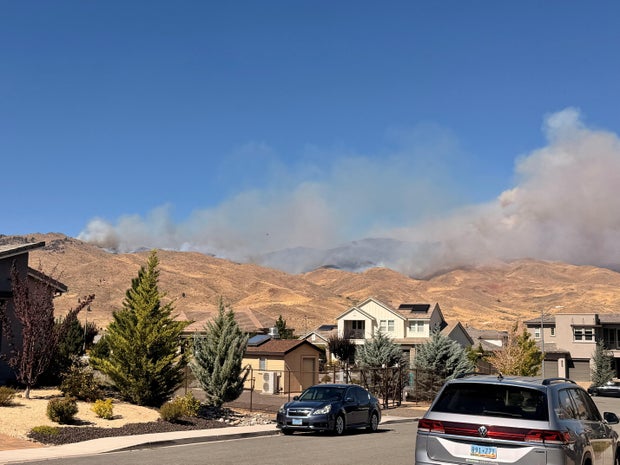
A swiftly expanding wildfire, known as the Hawk Fire, has prompted the evacuation of nearly 14,000 homes from the Sierra foothills into Reno, Nevada. The fire, engulfing over 10,500 acres as of early Sunday, remains entirely uncontained. Its proximity has reached the University of Nevada campus.
Governor Joe Lombardo has declared a state of emergency in Washoe County. He has activated the Nevada National Guard to assist with aerial firefighting efforts through helicopter crews and has deployed 60 troops to help police manage evacuated areas. Lombardo emphasized the importance of following local official directives in this quickly developing situation. He assured that the state is collaborating with local authorities and first responders to utilize every resource available to protect residents and communities.
The Hawk Fire, initially detected on Saturday, escalated due to gusty winds, low humidity, and dry vegetation. Truckee Meadows Fire & Rescue has joined from nearby California to combat the blaze. Richard Edwards, chief of Truckee Meadows Fire & Rescue, highlighted the challenges posed by wind-driven fires, which advance rapidly into residential zones.
On Sunday, power outages affected nearly 10,000 homes and businesses within Washoe County. Additionally, sections of U.S. Route 395 have been closed. Reno Mayor Hillary Schieve urged prompt evacuation for those instructed to do so, stressing the priority of life over property and relieving firefighters to concentrate on controlling the fire.
Evacuees are accommodated at the Reno-Sparks Convention Center, although pets must be relocated to designated facilities. Earlier this month, similar conditions north of Reno led to three wildfires, displacing over 13,000 residents.
 Tropical Storm Moke’s Impact on Hawaii
 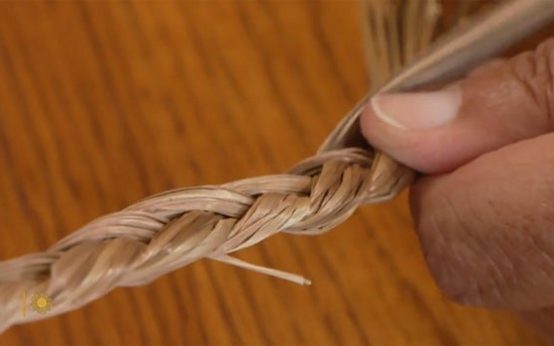 Robin Wall Kimmerer’s Inspired Approach to Nature and Indigenous Wisdom
  Exploring Palmyra Atoll’s Ecosystem Amid Protection Changes
  Successful Electronics Recycling Event Held in Aurora
  Tax Breaks for Data Centers Near O’Hare Shift Burden Onto Homeowners
 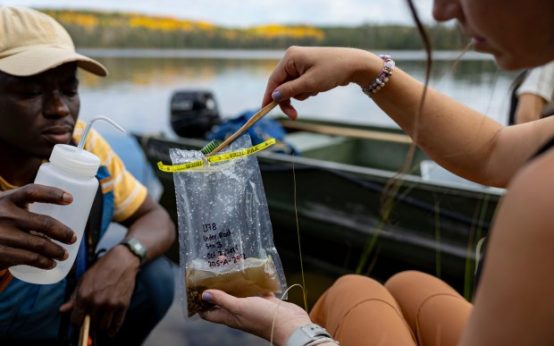 Microplastics and Pollution: A Study in the Great Lakes