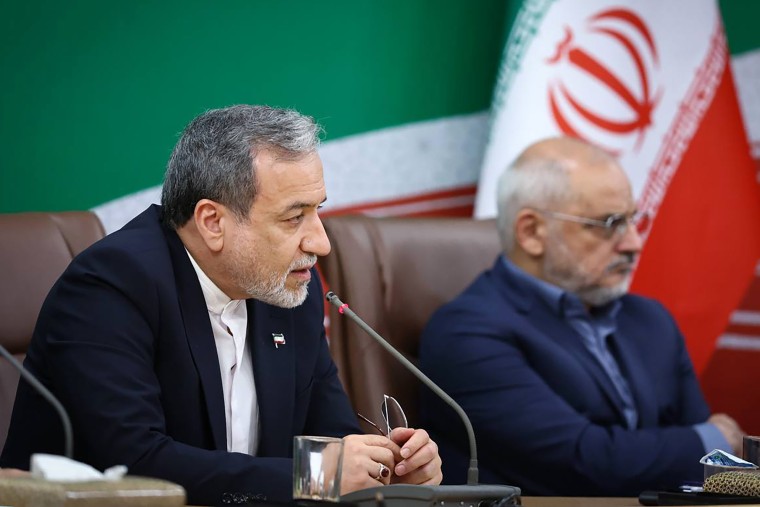
Iran’s Foreign Minister Abbas Araghchi has dismissed new U.S. sanctions threats as desperation, predicting they will fail to defeat Tehran. U.S. Treasury Secretary Scott Bessent plans to discuss imposing the toughest sanctions in history at a press conference.
Iran’s economy faces significant pressure from existing international sanctions. Infrastructure has suffered, and thousands have died in airstrikes since U.S. and Israeli attacks began on February 28. Yet, Tehran remains defiant, virtually halting shipping in the Strait of Hormuz. This blockade has increased global oil prices.
“The fact that they (U.S. leaders) have moved on from military operations to familiar plans shows desperation,” said Araghchi.
The Iranian Foreign Minister advocates respectful dialogue with Washington for a fair solution. He claims past U.S. actions, including blockades and military moves, have failed and expects this new effort will also falter.
President Donald Trump warns of grave consequences for those aiding Iran, urging cooperation from China, a major buyer of Iranian oil. Pakistan’s army chief, Asim Munir, is expected in Tehran to discuss regional security efforts amid the U.S. sanctions threat.
Pakistan has been mediating in the conflict. President Trump stated Iran is interested in a deal but not prepared to make one he deems suitable.
Despite U.S. attacks damaging Iran’s economy and armed forces, Tehran retains missile and drone capabilities to disrupt tanker traffic and challenge regional rivals.
Iranian Parliament speaker Mohammad Bagher Ghalibaf reported receiving demands for new regional security and cooperation from neighboring countries, alleging that U.S. policies compromise the safety of allies for Israel’s interests.
President Masoud Pezeshkian promotes a diplomatic approach, expressing the importance of ending the conflict while Iran holds a position of strength.
“It would be better to end the war today, when we are powerful and have dignity, and the whole world acknowledges our victory,” Pezeshkian stated, criticizing the U.S. for attacking civilian infrastructure.
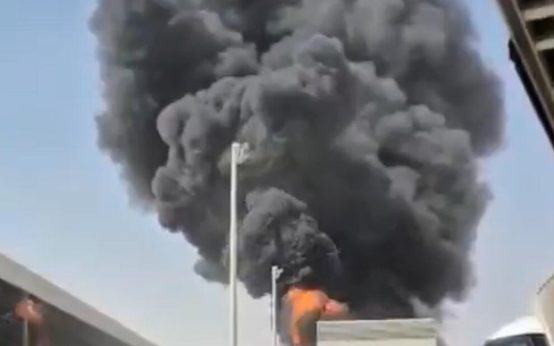 Riyadh Airport Strike: 12 Killed and Extensive Damage Reported
 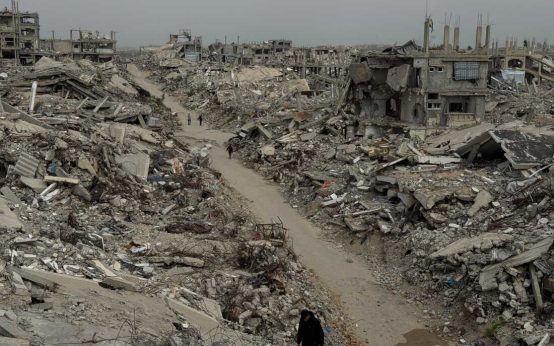 Israeli Strikes in Beit Lahia Result in Catastrophic Losses
 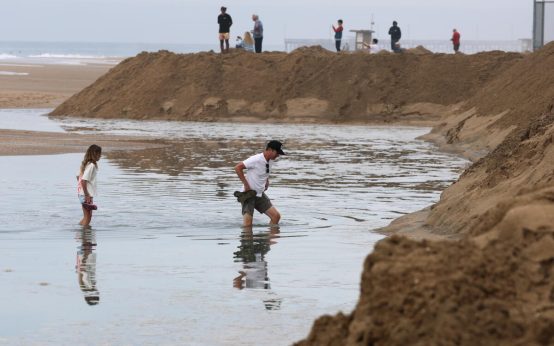 Southern California Braces as Tropical Storm Rachel Approaches
  Trump’s Discontent Over Nobel Peace Prize Decisions
 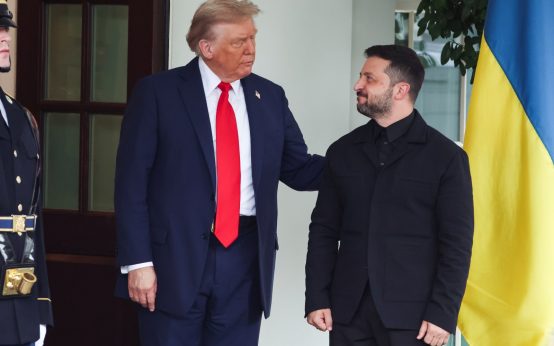 Trump Urges Replacement of Zelensky Amid Rising Tensions
 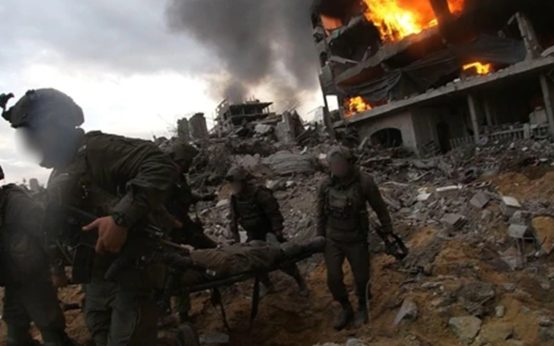 Israeli Advances in Battlefield Medicine Aid U.S.