The Iranian rial has reached an unprecedented low, as the United States gears up to impose new sanctions aimed at further straining Iran’s beleaguered economy. On Monday, the market saw the rial drop to 2.02 million against the U.S. dollar. The official rate from Iran’s Central Bank stands at approximately 1.5 million rial per dollar, but the market rate affects most Iranians.
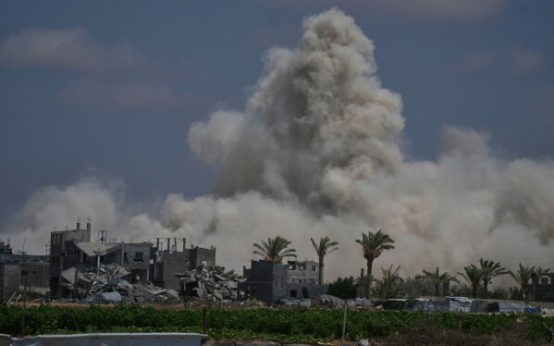
Before a joint U.S. and Israeli military action against Iran on February 28, the country’s economy was already suffering from high inflation and negative growth. Six months of ongoing conflict have worsened these problems, causing the currency to repeatedly hit new lows. Basic household items are becoming increasingly unattainable. Since hostilities began, rice has risen by about 60%, while beef has surged over 150% in price. The International Monetary Fund projects that Iran’s GDP will shrink over 5%.
Despite economic challenges, political change seems elusive. Iran holds strategic leverage by threatening and blocking ships in the Strait of Hormuz, significantly slowing commerce in the critical waterway and impacting the global economy. This situation has increased pressure on U.S. President Donald Trump prior to the upcoming congressional elections.
The conflict has turned into a struggle over the Strait’s control, a crucial passage for one-fifth of global oil trade before the current crisis. Iran has refused to reopen the Strait fully unless it can impose tariffs on shipping.
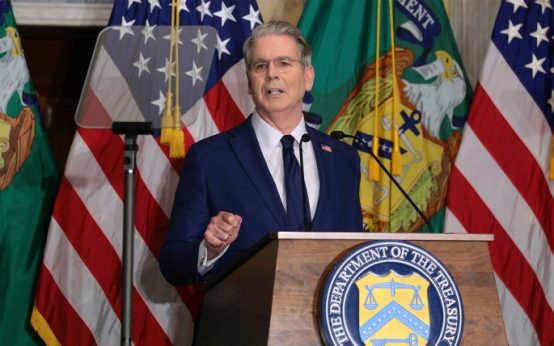
Reports suggest Iran is close to finalizing an agreement with Oman to jointly manage the waterway. On Tuesday, Oman’s foreign minister is scheduled to visit Iran. The Trump administration aims to resolve the standoff by promising even tougher sanctions, including secondary measures against nations continuing trade with Iran. “President Trump decimated Iran’s economy to a point where the rial has never been weaker and inflation has rarely been higher,” wrote U.S. Treasury Secretary Scott Bessent in a Financial Times opinion piece.
Last week, the United Arab Emirates—one of Iran’s largest trading allies—halted all trade with Iran. Iranian Foreign Ministry spokesperson Esmail Baghaei warned of repercussions, stating, “any escalation of this situation will undoubtedly bring about consequences.”
Meanwhile, Pakistan, which facilitated a 60-day ceasefire in June, dispatched a top-tier delegation to Iran on Monday to deliberate on ending the conflict.
In Tehran’s urban core, 73-year-old Sadegh Mahmoudi, along with others, queued to exchange their savings for U.S. dollars amid economic uncertainty. “There is no hope for a deal and peace,” he lamented.
 Historic Opportunity for a Female UN Leader Faces Challenges
 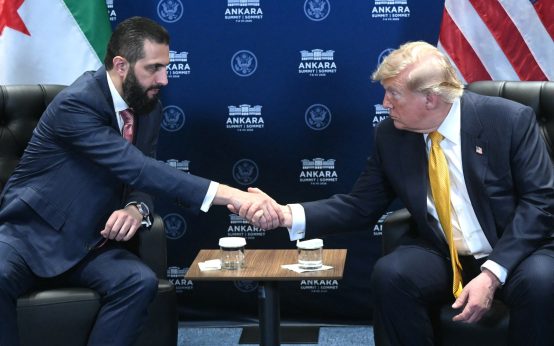 The State of U.S. Relations with State Sponsors of Terrorism
 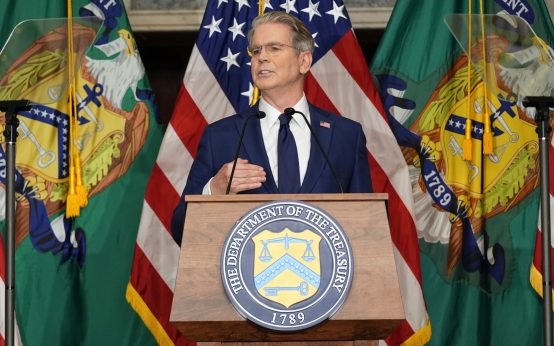 U.S. Unveils Aggressive Sanctions Against Iran
 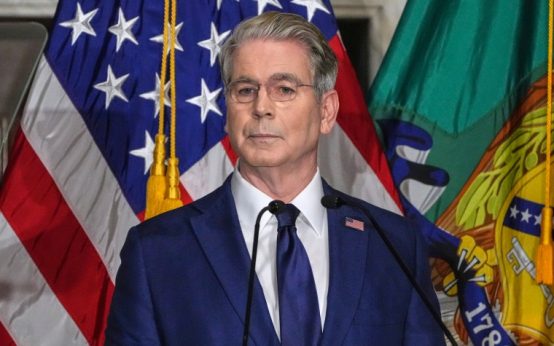 U.S. Plan to Intensify Sanctions on Iran Raises Concerns
  US Imposes Significant Sanctions and Tariffs Amid Trade Challenges
  Middle East Tensions Rise Amid US Sanctions and Regional Conflicts