Nepali leaders in Chicago swiftly responded to the severe floods in Nepal and Tibet, organizing a virtual emergency meeting on Wednesday night. They connected via Facebook Messenger to discuss coordinated fundraising strategies for disaster relief.
Thousands of Nepali immigrants have made Chicago and its suburbs their home, establishing nonprofits, opening restaurants, and running businesses. The community’s unity was evident during the inaugural Nepali street festival in Edgewater on August 15, where art, music, and food from Nepal were showcased.
Among the leaders was Shriniwas Kabra, vice president at the Nepali American Center. Despite representing diverse organizations, everyone in the meeting agreed to pool fundraising efforts, channeling money into official Nepali government disaster accounts. Plans for both traditional and online fundraisers are underway, with hopes to gather material goods as well.
Everyone agreed that we need to work together, and we need to help in whatever way we can,Kabra stated.
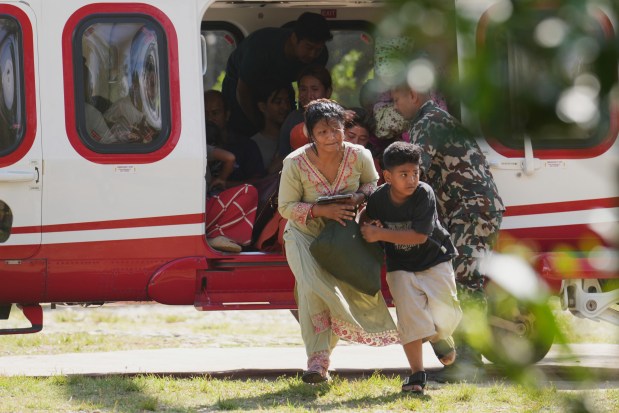
This decision comes as Nepal and China scramble to address the disaster, with flash floods causing nearly 600 fatalities and thousands missing. Rescuers on the Nepal-China border extracted survivors from thick mud, while helicopters evacuated those stranded. Soldiers assisted families escaping the affected areas, such as Nepal’s Nuwakot district, on August 28, 2026.
A specialized team entered a damaged checkpoint on the Chinese side of the border, with more flooding expected due to a new lake formed by a glacier collapse. Experts warn of its overflow potential.
The Nepali and Tibetan communities in Chicago quickly mobilized to offer aid. Kabra, 42, watched a video of the floods, initially mistaking it for fictional or AI-generated content. The footage, however, depicted a harsh reality.
Friends and family in Nepal reached out to Kabra, describing significant economic strain due to obstructed highways and diverted resources for rescue efforts.
Kabra, owner of Emotional Bonding flower shop in Niles, pledged to donate a week’s sales in September for flood relief. Additionally, The Clove Indian and Nepali Cuisine in Glenview plans a similar fundraising effort, allowing customers to contribute directly to Nepali aid through their purchases.
Efforts continued as groups from the emergency meeting initiated a GoFundMe campaign, which raised around $600 by Friday evening. Rajan Shahi, president of Nepalese Aid in Chicago, highlighted the option for people to also donate via the Nepal Prime Minister’s Disaster Relief Fund online.
The Tibetan Alliance of Chicago held a vigil in Evanston for flood victims. Attendees gathered to pray and recite Buddhist mantras. Norbu Samphell, conducting the prayers, emphasized the sentimentality and duty to alleviate suffering.
We feel like we need to do it, because when they are suffering, we should pray that these kinds of sufferings should be minimized,said Samphell.
Earlier in the month, the street festival allowed representatives of nonprofits to share Nepalese culture with locals. Shahi expressed hopes for making it an annual tradition.
Nepalese people are resilient, Shahi remarked. We will stand together, support one another, and we will rise again.
The Associated Press contributed to this report.
 Trump’s Strategy for Greenland: Military and Resource Expansion
  The Illusion of Ceasefire Between Russia and Ukraine
  U.S. Army Prepares for New Challenges Amid Emerging Threats
  Tropical Depression Champi Threatens Guam and Northern Mariana Islands
  Mass Shooting Attempt at Aurora Hindu Temple Prevented
  Travel and Diplomacy: Jared Kushner’s Envoy Role