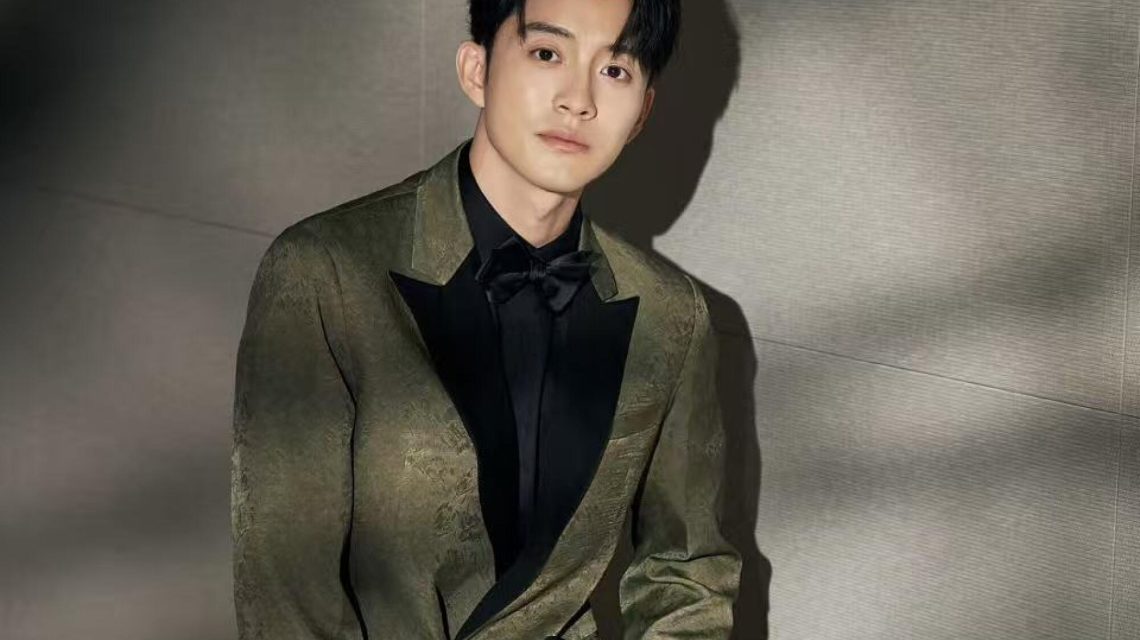
Changes in China’s Entertainment Scene
Chen Yilong, an actor for two decades, recently signed a contract to license his facial image to a Chinese production studio due to dwindling work opportunities. He now participates in creating a ‘digital human’ avatar for an artificial intelligence-driven movie. AI, with rapid advancements in video generation software, is transforming the Chinese film and video industry, particularly affecting micro dramas. These short videos are popular during people’s daily routines and have reduced production costs thanks to AI software from major technology companies like ByteDance and Kuaishou Technology.
Impact of AI on Micro Dramas
Micro dramas generally don’t require high-quality acting or resolution, making them ideal for AI-based content. The number of micro dramas produced significantly increased, with most utilizing AI. Michael Berry from UCLA foresees similar AI trends affecting Hollywood, with Chinese companies introducing software like ByteDance’s Seedance in the U.S. This trend may lead to content produced worldwide by varied ethnic AI avatars.
Rapid Transformation in Hengdian World Studios
Known as “China’s Hollywood,” Hengdian World Studios sees fewer actors due to AI-driven changes in video production. Chen Yilong states that actors are losing significant work as audiences shift towards shorter content reflecting faster-paced lifestyles. Around 10,000 extras arrive daily, but only 800 get hired.
Legal Issues Arising from AI Use
AI advancement leads to legal challenges regarding digital avatar rights. Beijing lawyer Fan Baile notes difficulties in dealing with AI face protection cases. Famous actors like Jackson Yee and Dilraba Dilmura have pursued legal actions over AI misuse of their likenesses. The Actors Committee in China condemned such infringements, highlighting regulatory challenges.
Producing AI-Driven Films
Sun Wei established Feixiang Universe to create AI films, opting to license real likenesses to avoid unauthorized use. AI-generated performers often have biased, homogenous features. Sun’s team utilizes AI tools to enhance film production, now feasible on relatively smaller budgets.
Challenges in AI Video Generation
Despite advancements, AI struggles with complex elements like depth and lighting. Lu Beike highlights limitations in meeting top-tier production standards. AI-generated scenes juxtaposed with real humans often create visual inconsistencies.
Lack of Emotional Depth in AI Performers
AI performers face challenges in conveying nuanced expressions. Chen Qiufan, an advocate of human creativity, stresses the difference between AI products and artistic work. A rise in live performances suggests a preference for real, human interaction despite AI developments.
 Long Dark House: A New Haven for Genre Enthusiasts in Alexandria
  Prince Harry’s Rumored Princess Diana Movie Stirring Royal Family Tensions
  Actor Ke Huy Quan’s Remarkable Journey in ‘Never Say Die’
  Reflecting on Significant Losses
  Growing Concerns Over AI in the Tech Community
  Apple’s Path Forward: Innovation vs. Tradition