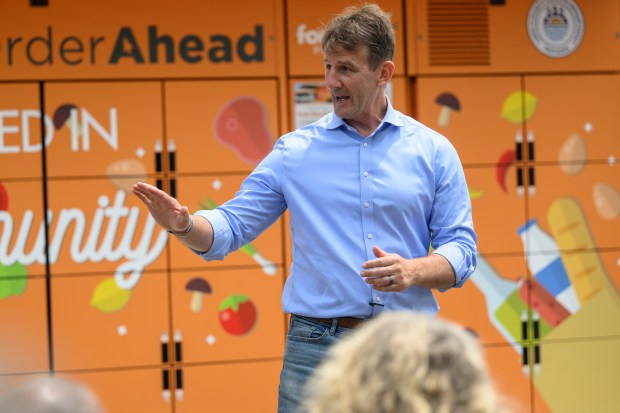
Area farmers presented U.S. Rep. Frank Mrvan with significant challenges they face, sharing insights into federal crop insurance programs, diesel prices, and agricultural property speculation. The gathering, held at the Porter County Administration Building, included thirteen farmers representing various scales of operations, from rural to urban, growing produce such as corn, soybeans, fruits, and beef.
The assembly was part of Mrvan’s effort to understand the needs and apprehensions within the farming community as part of discussions around the Farm Bill. This marked the second meeting, following an initial session in January in Lake County.
Rep. Mrvan acknowledged the difficulties farmers are encountering, emphasizing the pressure on credit and Canadian tariffs affecting potash and fertilizer. He sought specific concerns from the attendees, including impacts from the Aug. 11 derecho.
Bob Wichlinski, President of the Porter County Farm Bureau, raised alarm over a proposed battery plant near his farm. Although zoned as agricultural land, Wichlinski expressed uncertainty about possible circumvention of zoning laws. He stressed to Mrvan the importance of advocacy, stating, “When it’s the congressman’s concern, it’s other people’s concern.”
Concerns about technological encroachment were voiced, highlighting land speculation issues. Matt Hayden from Indiana Farm Bureau expressed diminishing enthusiasm for farming amidst competitive land offers, saying, “Farming – it’s just not fun anymore.”
Tom Murphy of the Indiana Corn Growers Association and other farmers discussed the repercussions of property sales. They mentioned entities like NIPSCO involved in land speculation and constraints on solar power use during storms, as shared by Freida Graves of Faith Farms & Orchard.
Jody Herr detailed losses from recent storms, revealing challenges in the national hail insurance program for tomatoes. Hayden indicated, “Your tomato crops really aren’t coming on until Aug. 1st,” impacting timely claims. Herr added, “We didn’t harvest until Aug. 10th.”
Discussions also tackled labor shortages and the Temporary Agricultural Workers Program, as well as the correlation between the conflict in Iran and escalating diesel prices. Murphy drew comparisons, asserting, “The war in Iran has hurt us way more than the Chinese tariffs.”
Mrvan pointed out the hefty $6.95 average price per gallon of diesel, interacting with farmer experiences of significant expenditure on fuel. Murphy quoted daily costs of $1,800 for running combines, with Hayden using 300 to 400 gallons daily.
Concerns about consumer perceptions also emerged. Brantley Seifers noted that farmers are often blamed for rising costs unaware of the limitations on grain pricing. Wichlinski reinforced the conversation’s significance, saying, “A very small percentage of the country produces food, but everybody eats.”
The article was reported by Shelley Jones, a freelance journalist for the Post-Tribune.
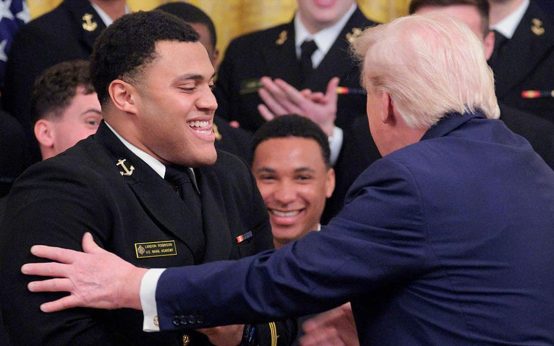 Landon Robinson’s Memorable NFL Debut
  U.S. Diesel Prices Hit Record High Amid Global Inflation Concerns
 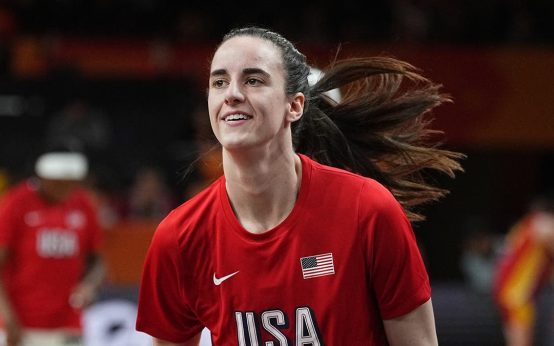 Caitlin Clark’s Impact on Women’s Basketball: A New Era of Visibility and Growth
  Gary Residents Face Challenges After Devastating Storms
 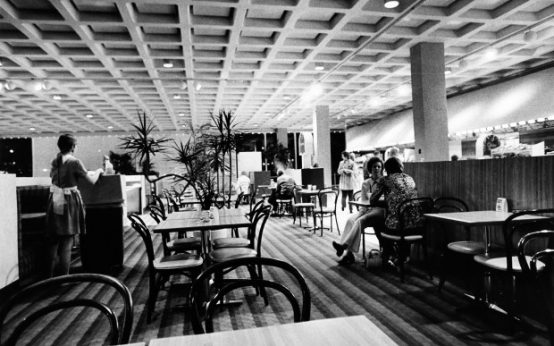 Significant Events in Chicago on September 13
  Wisconsin GOP Governor Candidate’s Emergency Plane Landing in Lake