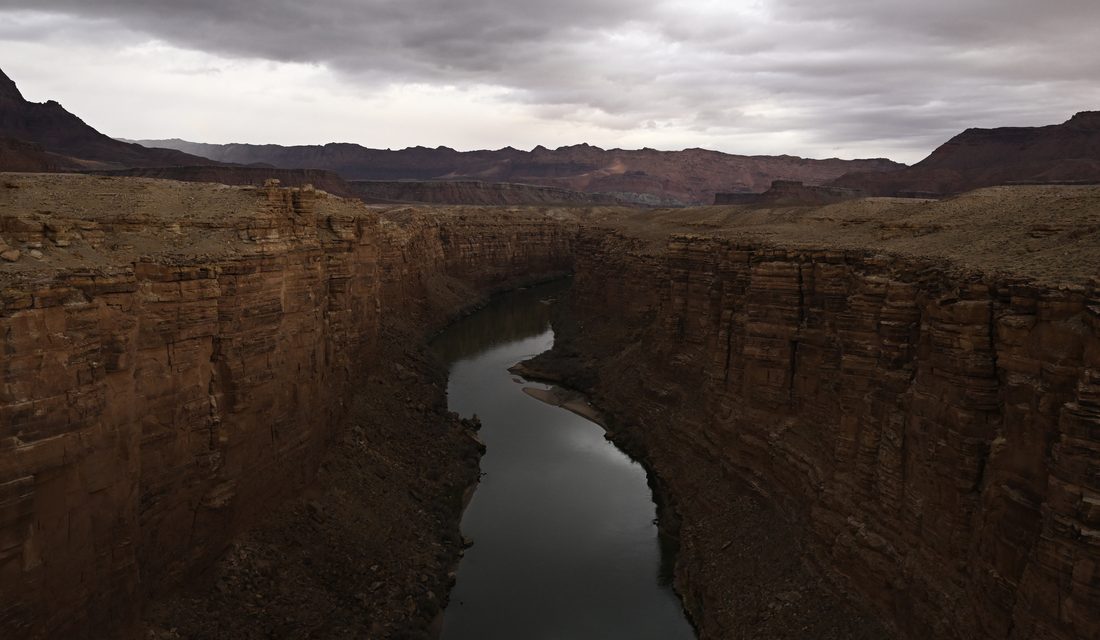
The Colorado River faces severe threats, increasingly impacted by prolonged droughts tied to climate change. A study from 2017 indicates that due to greenhouse gas emissions, water flow might decline by 30% by 2050 and possibly 55% by 2100.
Historic droughts in the western United States, coupled with water diversion for human needs, have caused sections of major rivers like the Colorado and Mississippi to dry up. Lake Mead, the largest reservoir by volume in the U.S., displays stark reminders of these declines with visible chalky residues where water once flowed.
In recent years, notably in October of last year, weak flows on the Mississippi River stalled thousands of barges. These vessels carried cargo equal to 210,000 container trucks of vital goods like corn and soybeans.
We would have had a drought anyhow, but it’s human impact that has pushed it over the edge,said Laurence Smith, Professor of Environmental Studies and Earth Sciences at Brown University.
Smith emphasizes the urgent need for the American West to adapt by doing more with less. In a discussion with Short Wave co-host Emily Kwong, he suggests that innovative methods to manage river systems are crucial for preserving waterway health and the vitality of dependent communities. Proactive management strategies could pave the way for a climate-adapted future.
This situation prompts further reflection and questions about the future of our water resources. If you have thoughts or questions, you can contact the team at Short Wave via [email protected].
This Short Wave episode is available on platforms like Spotify, Apple Podcasts, and Google Podcasts. It was produced by Abe Levine and edited by Rebecca Ramirez and Gisele Grayson, with Margaret Cirino and Rebecca conducting fact checks. Robert Rodriguez handled the audio engineering.
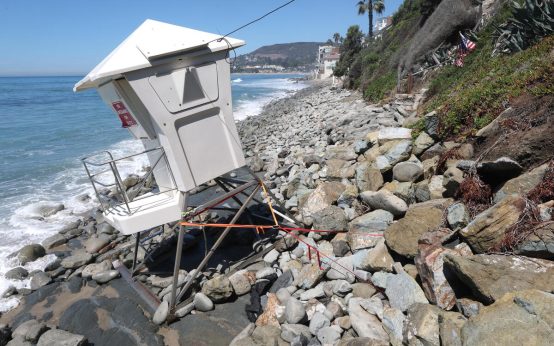 Coastal Damage from Kelvin Waves and Rising Sea Levels in Southern California
  Heat Dome Tightens Over South-Central US with Triple-Digit Temperatures
 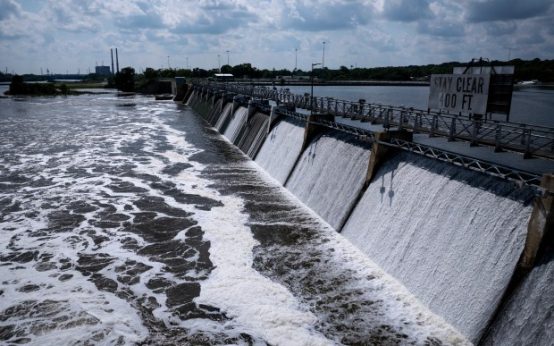 Army Corps Resumes Construction on Brandon Road Lock and Dam Project
  Impact of Halting U.S. Air Quality Monitoring on Global Pollution Levels
  Persistent Legislative Inaction on Climate Change
 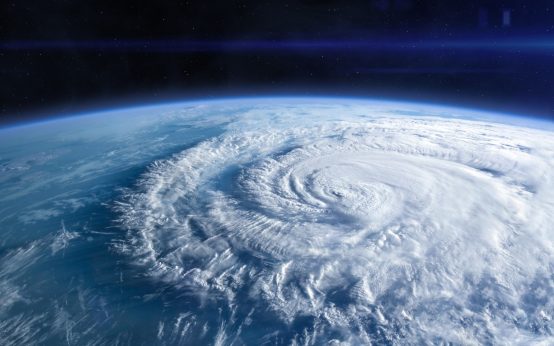 Potential Formation of Tropical Storm in the Atlantic