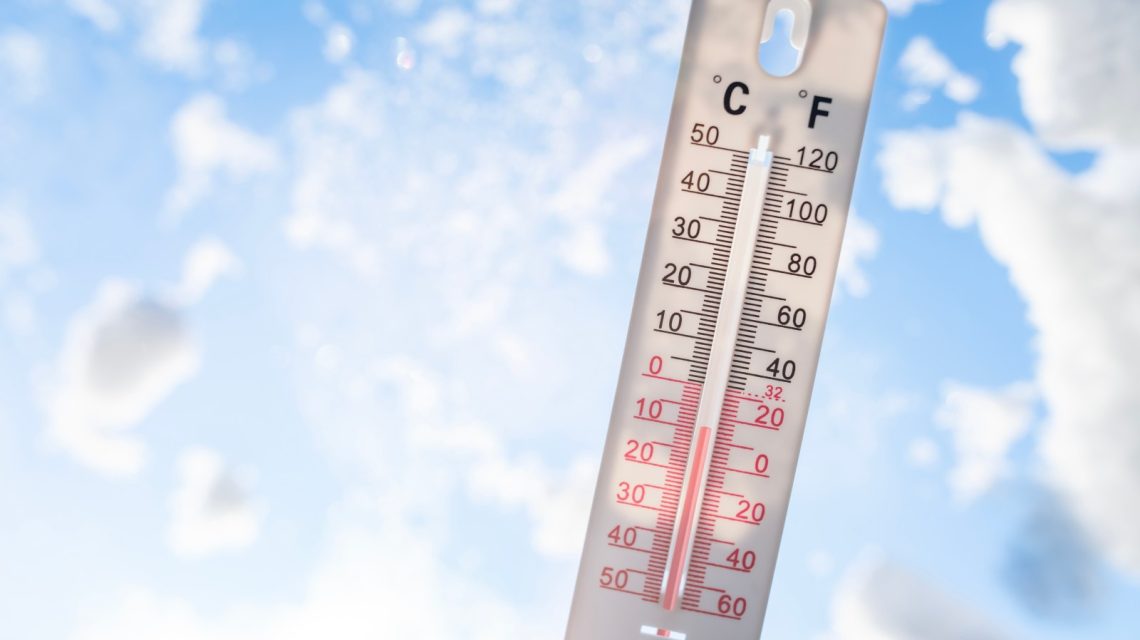
Weather Alert for Minnesota, Michigan, and Wisconsin
National Weather Service (NWS) offices in Minnesota, Michigan, and Wisconsin have announced a frost advisory alongside a freeze warning issued by the office in Michigan. These alerts, set for Tuesday morning, come as temperatures drop in line with the onset of fall. Cooler air from Canada is contributing to this temperature decline.
Freeze warnings and frost advisories serve to inform locals about weather conditions that may damage outdoor plants or harm animals caught outside. Such alerts generally appear at the start or finish of the growing season to caution farmers and gardeners about potential crop harm.
First Freeze Warning of the Year
Ben Warren, a meteorologist from the NWS Marquette office, confirmed to Newsweek that this freeze warning is the season’s first from their office. Historically, the region experiences its initial freeze around late September or early October, making this week’s cold snap slightly ahead of typical conditions. Warren noted, “Our normal [overnight] temperatures this time of year are typically in the 40s.”
Understanding Freeze Warnings and Frost Advisories
Differences Between Freeze Warnings and Frost Advisories
A freeze warning, more serious than a frost advisory, is issued when temperatures are forecasted to fall below 32 degrees Fahrenheit for an extended time. A frost advisory comes into play when temperatures could lead to frost formation. This advisory may be given even when temperatures exceed freezing, as ground-level temperatures can be cooler than measured air temperatures.
Details of the Freeze Warning
The NWS office in Marquette, Michigan, issued the freeze warning effective from 2 a.m. Tuesday morning for Baraga, Iron, and Southern Houghton counties. Forecasts anticipate temperatures as low as 30 degrees Fahrenheit in cities including Kenton, Iron River, Sidnaw, and L’Anse.
Measures were recommended to safeguard plants susceptible to cold and to protect water pipes. Instructions included wrapping pipes, draining or allowing them to drip slowly, and covering above-ground pipes after draining in-ground sprinkler systems.
Frost Advisory Insights
Frost advisories, which span a wider area, were released by NWS offices in Duluth, Minnesota; Gaylord and Marquette, Michigan; Grand Forks, North Dakota for its Minnesota forecast area; and Green Bay, Wisconsin. Expected temperature variations include drops to 33 or 34 degrees. The advisory emphasized potential harm to sensitive outdoor vegetation, with a warning that such plants may perish if uncovered.
Impact of El Niño
A robust El Niño in the Pacific Ocean can affect U.S. winter weather this year, influencing temperature patterns. El Niño represents the warm phase of the El Niño-Southern Oscillation (ENSO) cycle. NOAA shared information with Newsweek indicating its record-breaking intensity and expected continuation into November or December. In the U.S., El Niño predominantly impacts fall and winter months with cooler, wetter conditions in the South and warmer, drier conditions in the North. It can change storm patterns, including whether precipitation falls as snow or rain and cause severe cold spells.
Weather advisories will cease once temperatures rise with daylight on Tuesday. Nonetheless, as fall progresses, similar alerts are likely across the U.S. According to NOAA’s Climate Prediction Center, there’s a prevailing likelihood of above-average temperatures across much of the U.S. until October 5, based on the latest temperature forecast.
Newsweek utilized Martyn, its AI assistant, in crafting this story. Further exploration of Martyn’s capabilities can be accessed. For editorial inquiries on this story, reach out to Jason Lemon and Gray R. Thomas.
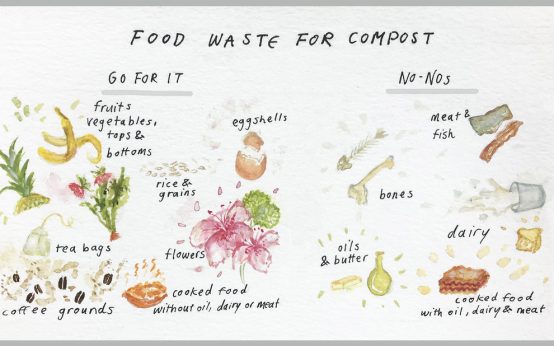 Turning Home Food Waste into Compost: A Guide
  Chicagohenge: When Sunlight Aligns with City Streets
 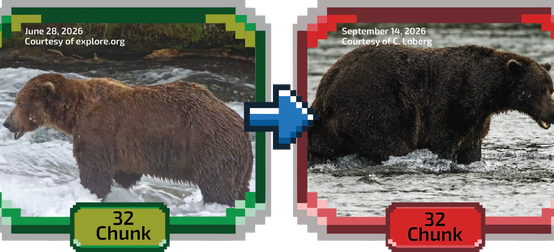 Fat Bear Week 2026: A Look at the Contest and Its Competitors
  California Governor Declares Statewide Emergency Ahead of El Niño Storms
  EPA Rollbacks and the Impact on Indiana Communities
  The Impact of Battery Innovations on Renewable Energy