The construction of the world’s largest wildlife crossing over the 101 Freeway in Agoura Hills is rapidly approaching its completion date of December 2. A potential delay could arise from severe winter storms, which may impact progress.
The crossing, known as the Wallis Annenberg Wildlife Crossing, already features a concrete bridge spanning 10 lanes of traffic. On top, a lush landscape has been established with 6,000 native plants. Recently, crews finished another overpass over Agoura Road. The next major task is filling the gap between the freeway and Agoura Road, as well as between the freeway and the northern land. This requires millions of cubic feet of soil to ensure a continuous path for wildlife.
This project aims to create a vital corridor for mountain lions in the Santa Monica Mountains, currently isolated by traffic and facing inbreeding challenges.
Beth Pratt, President of the Wildlife Crossing Fund, shared hopes that the weather, specifically the El Niño pattern, would cooperate. Heavy rainfall could disrupt efforts to compact soil as flooding would necessitate the cessation of construction for safety.
At a recent construction update, Robert Rock, lead landscape architect for the crossing, noted that the area’s soil is rich in clay and silt, becoming hazardous when wet. Heavy precipitation impacts the soil compaction process, crucial for the project’s progress. A similar event occurred during the historic rainfall of the winter of 2022-23, delaying project completion from late 2025.
The project’s budget of $114 million and construction delays have sparked criticism from some circles, with criticisms labeling it a “bridge to nowhere.” U.S. Transportation Secretary Sean Duffy compared it to California’s costly, delayed high-speed train project. Despite backlash, the completion date has been announced, and Pratt has faced derogatory comments as a result.
The crossing is pivotal for preserving the mountain lion population in the Santa Monica Mountains, which is classified as threatened. Seth Riley, wildlife branch chief for the area, highlighted the issue of inbreeding, with 41% of documented matings being between close relatives since 2002. Genetic deformities, such as kinked tails, point to ongoing problems. Modeling predicts a potential extinction within 50 years if reproduction is impacted.
The crossing will allow mountain lions to access mates in the Simi Hills and beyond, promoting genetic diversity. While significant changes won’t happen immediately, optimism remains.
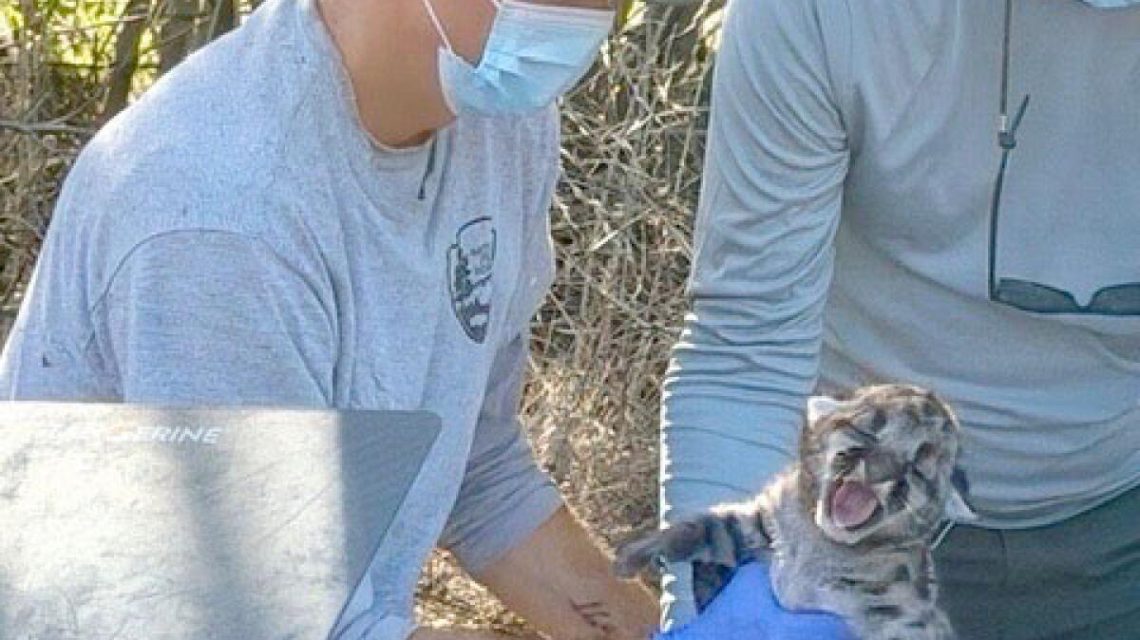
Recent wildlife sightings near the crossing include coyotes, deer, a female lion with cubs, and promisingly, three kittens in the Simi Hills representing new hope for the population’s survival. Jeff Sikich, a wildlife biologist, anticipates these kittens may be among the first to use the crossing.
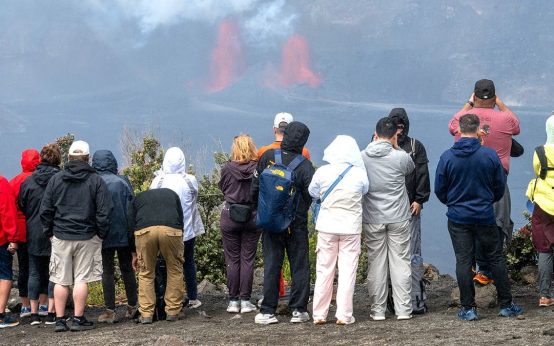 Renewed Volcanic Activity At Kīlauea Prompts Trail Closures
 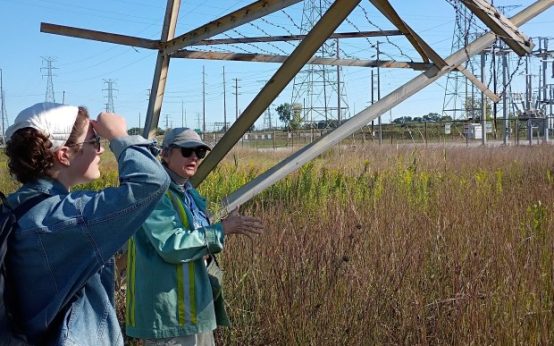 Monarch Butterflies Flourish in Illinois’ Managed Right-of-Ways
 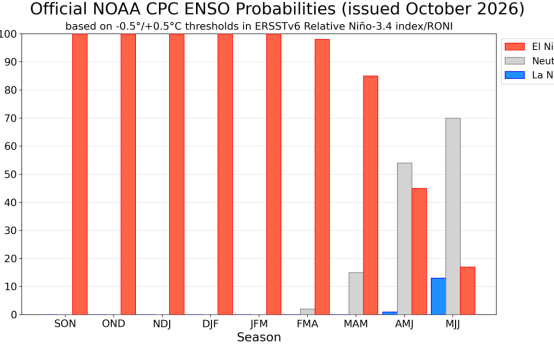 El Niño Strengthens to Historic Levels: What to Expect This Season
  Endangered Species Act and America’s Future Development
  Bokashi Fertilizer Provides Relief for Zambian Farmers Amidst Fertilizer Price Hikes
  Architects Warn of Housing Challenges Amid Climate Change and AI Concerns