On a recent Saturday, two attack drones powered by jets entered NATO airspace over the Black Sea. Romanian F-16 fighter jets quickly intercepted and destroyed them with Sidewinder missiles, sending fragments into the sea. This incident reflects a new reality for NATO’s eastern members, where dealing with drone intrusions is increasingly common.
Recently, NATO forces dealt with a similar situation by intercepting suspected Russian UAVs over Lithuania and southern Estonia. The alliance has shown its capability to address these airspace breaches. However, the concern grows over handling larger swarms of drones, as experienced by Ukraine with 999 drones and missiles in a single day.
The Price of Protection
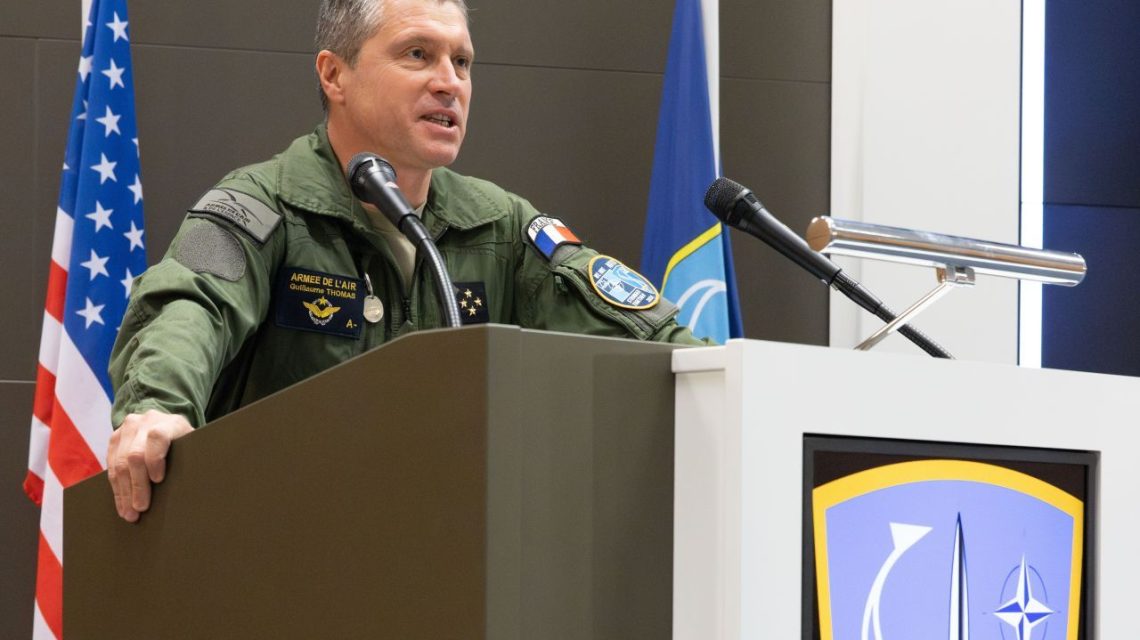
Current conflicts in Ukraine, the Middle East, and Sudan highlight the destructive potential of inexpensive, explosive-laden drones. European economic challenges make the cost of deploying expensive fighter jets and missiles against these drones a critical issue. Yet, protecting civilians and infrastructure remains the priority, as emphasized by Lieutenant General Guillaume Thomas of NATO, and Colonel Fredi Karu, Estonia’s Air Force Chief of Staff. Despite these economic concerns, NATO nations have managed to incorporate increased defense funding into their budgets.
The growing frequency of drone intrusions prompts NATO to reconsider its air defense strategies. In response, Operation Eastern Sentry was launched, deploying additional fighters, surveillance equipment, and air-defense systems along NATO’s eastern flank. This led to an upgrade of the air-policing mission into a comprehensive air defense initiative throughout the alliance.
Eyes on the Prize
Detecting and responding to aerial threats involves complex decision-making. NATO commanders face the challenge of discerning whether an approaching object is a threat and determining the best course of action. Reliable information and rapid decision-making are key, especially as drone threats grow and the range of interception technologies expands. NATO’s Baltic members, positioned as the first line of defense, focus on early detection and monitoring to strengthen preparedness.
In Estonia, the Air Surveillance Wing operates a Command and Reporting Center that uses radar data to maintain a comprehensive view of NATO’s Eastern flank. Lithuania is testing the SkyFortress network to detect low-flying drones and cruise missiles. These efforts aim to improve early warning systems, accompanied by NATO exercises in Latvia focusing on integrating systems across member states.
Preparing for the Long Haul
NATO faces challenges in sustaining defenses amid potential large-scale attacks. High rates of ammunition expenditure during such events raise concerns about maintaining supply lines. The alliance is responding with initiatives like NATO Front Door and NATO Engine to boost production capacities and streamline defense procurement processes.
One interim approach suggested by experts includes repurposing low-cost jet trainer aircraft to form a dedicated air defense squadron. Using less expensive weapons for drone interception could alleviate some of the financial pressure while more advanced systems are developed.
The Best Defense…
Despite challenges, NATO upholds its defensive stance, ensuring protection for its territories. The alliance demonstrates its interception capabilities, sending clear deterrent signals. However, the complexity of countering drone threats emphasizes the need for more than just defensive measures.
Focusing on disrupting enemy logistics and command networks might be necessary to complement defense efforts, although this involves strategic decisions that some NATO members might find provocative.
NATO leaders remain committed to developing a resilient and adaptable air defense system, ready to counter both current and evolving threats to ensure the safety and security of their member states.
 Judge Warns Trump Over BBC Lawsuit Participation
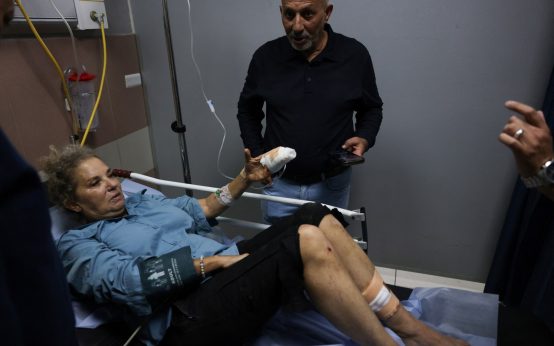 Christian Advocacy and the Call for Action on Settler Violence in the West Bank
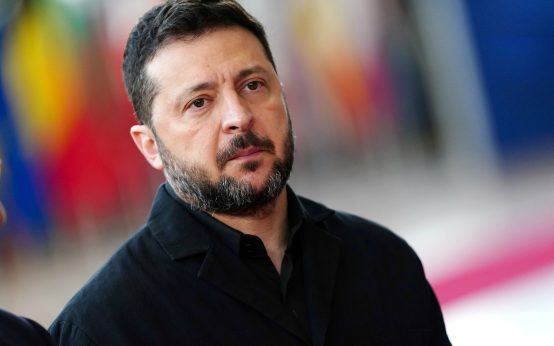 Tensions Rise in U.S.-Ukraine Relations Over Intelligence Sharing and Energy Policies
 Trump Endorses Netanyahu Amid Political Tensions
 Australian MP Helen Haines Hit by Car in Deliberate Act
 TikTok’s Internal Concerns Over Child Safety and Content Risks