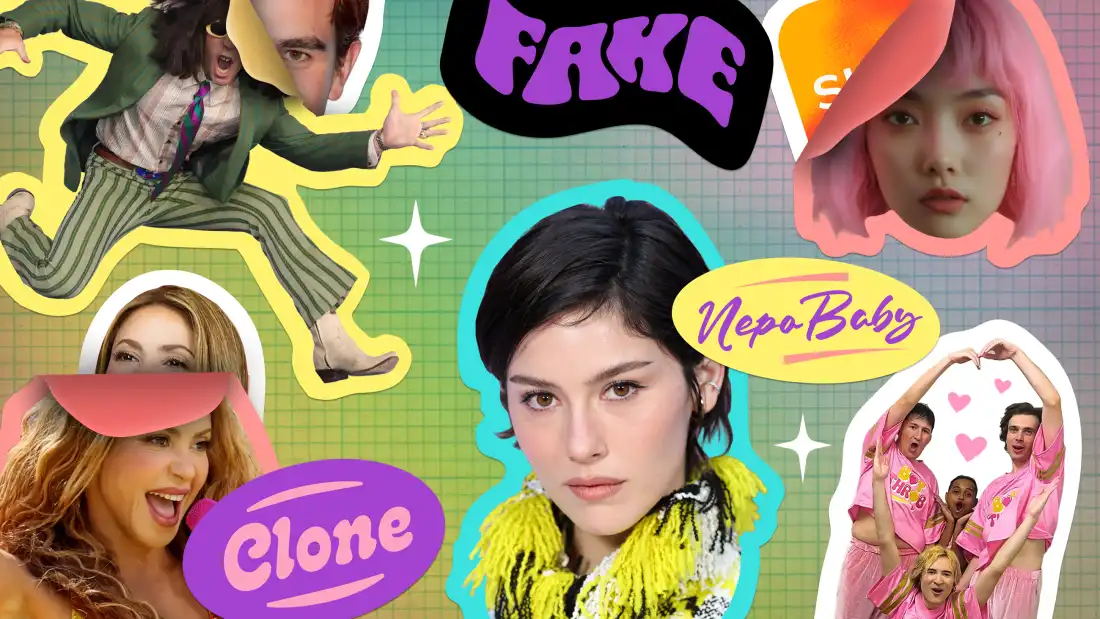
The music landscape in 2026 has been a battleground for what’s real and what’s not. With artists like Shakira, AI musician Tata Taktumi, Gracie Abrams, and the band Boy Throb stirring up debates, music’s authenticity is under scrutiny. These discussions highlight the industry’s complex dynamics as technology reshapes the way audiences engage with music.
The Year of Manipulated Trends
British producer and singer James Blake voiced his concerns on Instagram, highlighting manipulation in album reviews, streaming numbers, and comment sections for profit. The increasing impact of generative AI and social media algorithms fuels worries about the true nature of musical success. Concepts like the ‘dead internet theory’ suggest that the online music world, once thriving with genuine interactions, is now overrun by fake activity driven by bots.
The Geese Psyop Controversy
In March, a digital marketing agency named Chaotic Good Projects acknowledged creating fake fan accounts to boost artists’ visibility. When indie musician Eliza McLamb shared these claims, it exposed the use of artificial virality, even aiding alternative artists. This revelation strained trust in the music community, questioning the legitimacy of sudden viral successes like the band Geese.
Ticketmaster Cracks Down
Ticketmaster canceled thousands of fake accounts used to purchase tickets for Harry Styles’ residency at Madison Square Garden. Years of criticism over ticket pricing and resale ethics culminated in actions to ensure fair distribution to genuine fans. Despite these efforts, questions about industry practices remain.
KJ Apa vs. Mr. Fantasy
The TikTok sensation Mr. Fantasy, resembling actor KJ Apa, sparked debates about identity and artistry. Accusations of impersonation led to tensions, later resolved privately, highlighting the blurred lines between celebrity culture and personal branding.
The Rolling Stones and Deepfake Use
The Rolling Stones embraced deepfake technology in the music video for ‘In the Stars,’ appearing as younger versions of themselves. Created by AI startup Deep Voodoo, this choice examines the intersection of nostalgia and modern technology.
Manipulated Streaming Data
Malcolm Todd’s song ‘Earrings’ saw a rapid climb on charts, aided by TikTok virality and manipulated streams. Spotify responded by removing fraudulent listens, indicating the ongoing battle against stream tampering.
AI and Music Creation
Deezer reported that over half of its uploads in June were AI-generated, yet these accounted for minimal genuine streams. Listener discomfort with AI content is growing as music platforms work to adapt.
Gracie Abrams and Nepotism Criticism
Gracie Abrams, a rising star with famous parents, faces allegations of nepotism. Her latest album, ‘Daughter From Hell,’ explores personal themes, garnering critical favor despite public scrutiny.
Influencer Payola and Promotion
Music influencers on platforms like TikTok are increasingly accepting payments to promote content, often without disclosure. This practice mimics traditional payola, raising ethical questions in influencer marketing.
Shakira and Usher: Clone Rumors
Fans speculated that Shakira and Usher used body doubles in performances, raising discussions about public perceptions of artists and their live appearances. Both artists addressed these claims, engaging with the audience’s curiosity about authenticity.
Spotify’s AI Verification
Spotify introduced a badge system for AI-generated artist profiles, promoting transparency in digital personas. This effort distinguishes between human and AI-driven profiles to maintain user trust.
Boy Throb’s Unique Journey
Boy Throb, a boy band with unconventional marketing tactics, gained notoriety on TikTok. Their journey includes securing visas for a member, showcasing their creative approach in navigating the music industry.
Legal Battles and AI Appropriation
Artists like Jason Isbell are suing AI company Suno for exploiting their identities, bringing legal focus to AI’s impact on musicians’ rights and the commercial use of their personas.
Betty Hammerschlag’s Mystery
An investigation suggested that underground artist Betty Hammerschlag might be an elaborate construct by German artist Tilman Hornig. This speculation fuels the debate over identity and authenticity in music creation.
Stella Lefty and Plagiarism Claims
Stella Lefty’s rising fame is marred by plagiarism accusations. Her work features credited interpolations, yet public and media criticisms persist around her originality.
Legal Consequences for Stream Fraud
Michael Smith became the first person convicted for using AI to manipulate music streaming royalties, underscoring the legal challenges in addressing digital fraud in the music industry.
Phoebe Bridgers’ Phone Ban
Phoebe Bridgers’ concert phone ban encouraged meme culture, playfully speculating about unverified events at her shows, demonstrating how digital rules can reshape live experiences.
AI and Political Campaigns
Senator Marsha Blackburn faced backlash after sharing an AI-created music video during her campaign, raising questions about AI’s role in political narratives and public perception.
 Jay-Z Set to Headline Super Bowl LXI Halftime Show
 Exploring the Controversies of Authenticity in the Music Industry
 Jay-Z to Headline Super Bowl LXI Halftime Show
 Jon Gosselin Discusses Estranged Relationships with His Children
 Exploring the Depths of ‘King Hedley II’ at City Lit Theater
 Jordan Klepper Discusses Interactions with Trump Supporters and His New Special