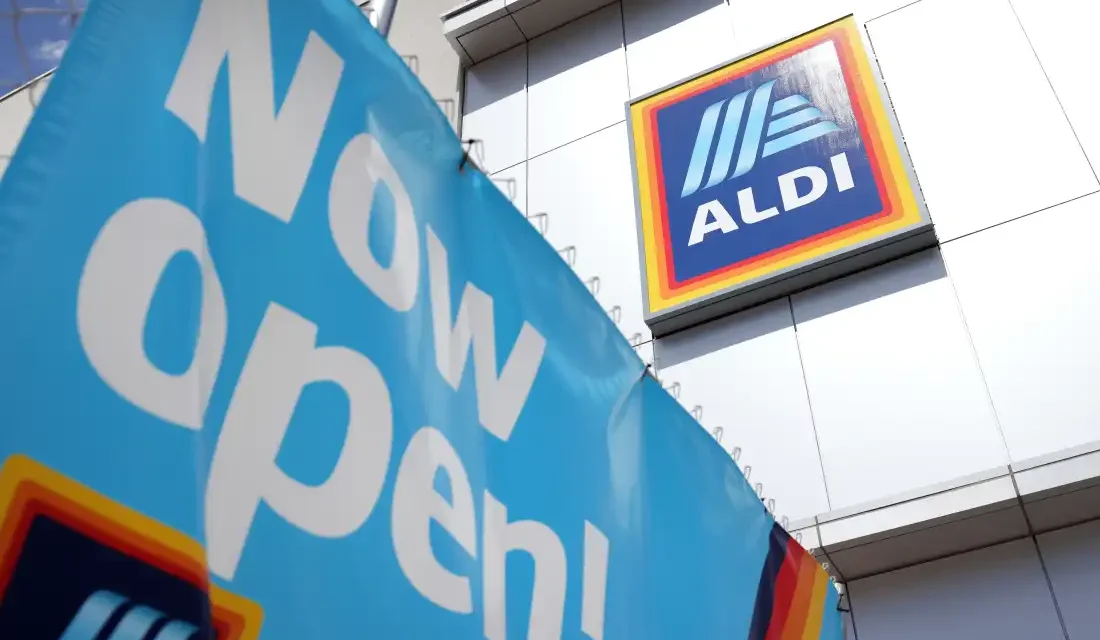
In Washington, DC, Aldi announced significant growth plans with intentions to open over 225 new stores in the U.S. by 2025. By the end of 2028, Aldi aims to have more than 3,000 locations, potentially making it the second-largest grocery chain in the country after Walmart.
Aldi, a German discount grocery chain, gained recognition for its low prices, comparable to Walmart’s, or even cheaper at times. In 2024, Aldi’s U.S. sales reached $29 billion, exceeding Trader Joe’s. The company’s efficiency and cost-cutting strategies enable its competitive pricing.
Unlike new tech-rich startups, Aldi focuses on traditional methods to maintain its low costs. Stores lack music to save on expenses, and goods are displayed in their shipping boxes to reduce labor costs. These measures, along with a limited but essential product range, contribute to Aldi’s affordability.
Strategies Behind Aldi’s Pricing
A key component of Aldi’s strategy is the use of private label products. For instance, their cookies and crackers resemble popular brands but are sold under Aldi’s own labels. This allows Aldi to avoid paying brand markups, keeping prices low.
Aldi also limits its product selection to essentials, emphasizing bulk buying to minimize costs. By focusing on fewer items, Aldi avoids spoilage and reduces the need for large storage spaces.
Aldi’s Market Impact
Aldi’s growth influenced competitors like Kroger and Wegmans to reduce prices. Studies found that similar chains, such as Lidl, led to a ~7% price reduction in areas where their stores opened. This competition helps keep grocery costs in check even as food prices rise elsewhere.
Appeal and Customer Experience
Aldi’s stores, while minimalist, attract customers by offering more than low prices. The stores feature a unique middle aisle with rotating products, from toys to specialty foods, adding a sense of discovery to shopping. Aldi also integrates a touch of premium by selling well-priced high-end products.
Their successful appeal is evident as customers often display strong loyalty, similar to enthusiasts lining up for iPhone releases at new store openings.
Economic Observations
Analyzing Aldi’s model reveals a broader economic pattern: the concept of bundling and unbundling. Aldi’s approach of offering only essential products ‘unbundles’ the typical supermarket experience, unlike large chains that bundle various goods.
Such insights emphasize that shifts within the industry don’t always require revolutionary technology; sometimes, it’s about rethinking existing strategies.
Reflection on Aldi’s Potential
Understanding Aldi’s strategy highlights the persistent dynamics in the grocery sector. It shows the ability of new market entrants to find and exploit niches, aiding price competition in the industry. While the American market’s ability to provide affordable food remains complex, Aldi’s presence contributes positively to consumer costs.
 President Trump Defends White House Renovations at Mississippi Rally
 Brandi Kruse Ejection Sparks Discussion Over Tolerance
 Federal Judge Temporarily Stops Tree Removal at East Potomac Park
 Remembering Maclaine Schmidt and Tragedy in Mundelein
 Lil’ Trick-or-Reading Event at Vernon Area Public Library
 Judge Rules West Point’s Faculty Speech Limits Unconstitutional