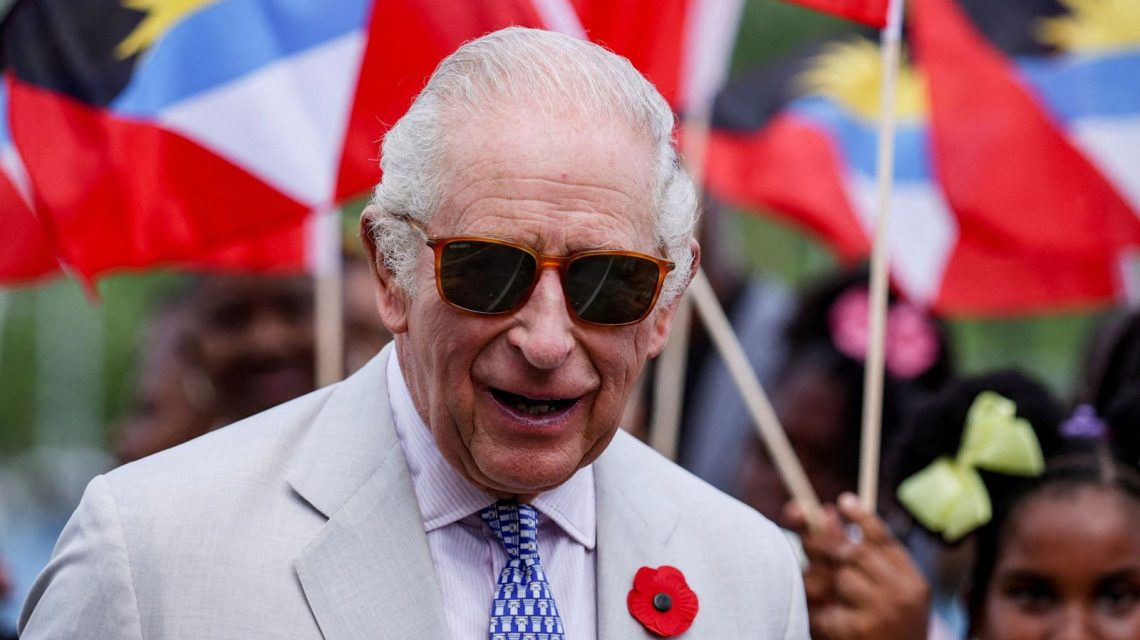
King Charles III acknowledged the Royal Navy’s significant role in ending slavery while also recognizing the suffering caused by this “shameful chapter” of Britain’s history. Speaking in St John’s, Antigua, the king addressed leaders from Commonwealth nations.
British Prime Minister Andy Burnham had recently expressed willingness to discuss an apology for slavery, though he ruled out reparations. The monarchy faces ongoing pressure to acknowledge its involvement in the trans-Atlantic slave trade. Nevertheless, for Britain’s head of state, publicly discussing the United Kingdom’s historical actions is unusual.
What King Charles Said About Slavery
During the Commonwealth Heads of Government Meeting’s opening ceremony in Antigua, King Charles articulated his thoughts on slavery. “We cannot change the actions of those who came before us,” he stated. “We can, however, learn from the past. The trans-Atlantic trade in enslaved persons still casts a shadow over these islands and other members of our Commonwealth.”
Charles highlighted the ongoing impact of Britain’s slave-trading past. “That shameful chapter of history is one that fills my heart with horror and my soul with the most profound personal sorrow,” he remarked. The king’s comments echoed his past statements and set the tone for a summit where the issue of slavery was likely to be discussed.
Looking to the future, Charles noted, “History also teaches us that evil need not have the last word. Character and courage can combine to overcome the most monstrous injustice, as they did with the determination to end international trade in enslaved people, in which the Royal Navy played such a leading role.” His speech acknowledged both the negative and positive aspects of Britain’s historical connection to slavery.
Other British public figures, including Kemi Badenoch, the leader of Britain’s opposition Conservative Party, have also emphasized Britain’s role in ending slavery. Badenoch argued against an apology for the past, suggesting Britain’s actions deserve recognition.
The king expressed his aspiration for collaboration, saying, “The more I have furthered my own understanding of the issues, through listening, learning and looking, the more committed I have become to finding ways for us to work in modern partnership to address the wrongs of the past with action for the future.”
The Debate About Slavery in Britain
Kemi Badenoch commented on the debate, writing, “When will the demands stop? Everyone knows the trans-Atlantic slave trade was wrong. Britain played a huge role in stopping it.” She dismissed calls for reparations, urging the Commonwealth to look forward.
Prime Minister Andy Burnham expressed openness to discussing a formal apology, though he also opposed reparations for the slave trade. He wrote, “Listening to calls for a formal apology on behalf of the British state will form an important part of this process, and I am open to them.” However, he added, “Some have called for financial reparations for the slave trade. I do not believe that is the right answer. I do not think that British people today can be held liable for historical wrongs, however heinous, that happened in a different age under different laws and in which they played no personal part.”
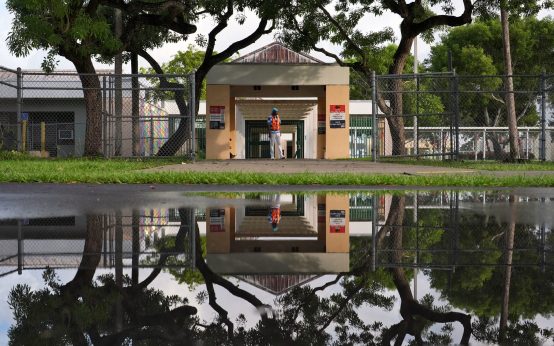 Election Night Developments and Concerns
 Election Monitoring, U.S.-Israel Aid, Data Center Ballot, Fox News Ratings, UK Adventurer, Harvard Lawsuit, Florida Polling Places
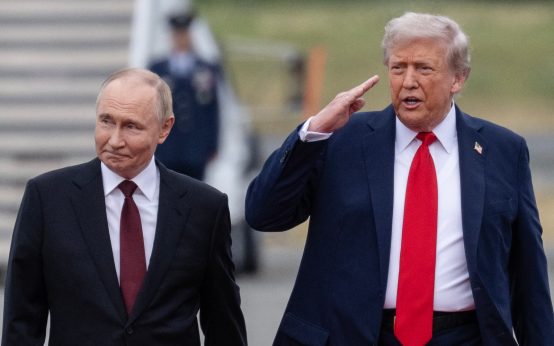 Midterm Elections: Russia, Ukraine, and American Interests
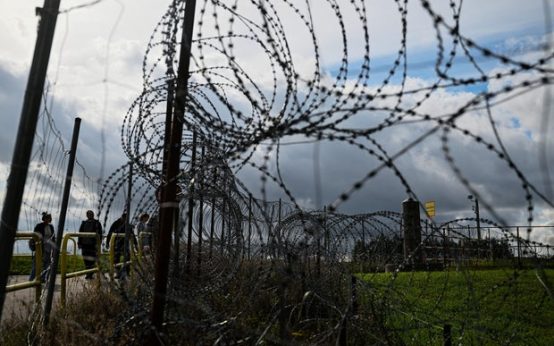 Poland Enhances Border Security Near Kaliningrad to Counter Threats
 Prince Harry and Meghan Markle’s Living Situation and Future Plans in Britain
 Midterm Election Predictions and Expected Policy Shifts