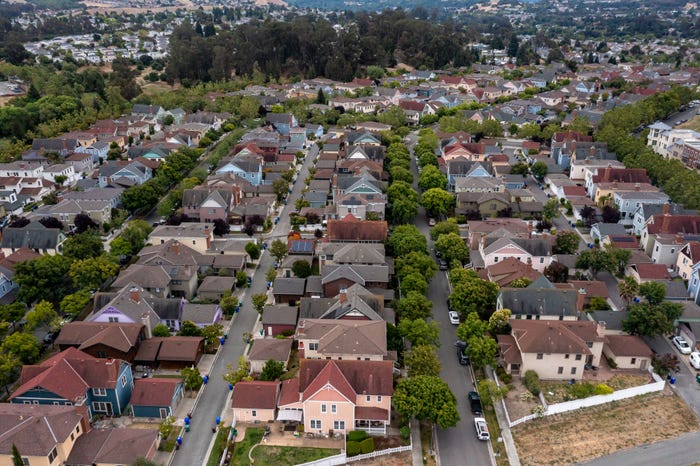
In August 2026, rent comprised over 30% of the average weekly income for citizens in 31 US states. This trend underscores the growing financial pressures on American households. Recent research from the Urban Institute’s American Affordability Tracker shows that rising rent prices remain a significant source of financial stress for many.
In August, renters in North Dakota enjoyed the lowest rent-to-income ratio at 21.17%. Conversely, states such as Hawaii and New York saw rent consuming nearly 50% of earnings, hinting at severe cost burdens.
“Are you actually able to afford the typical daily needs you have?” asked Yonah Freemark, a researcher with the Urban Institute.
Freemark highlights that high rent is only one aspect of financial strain. Other ever-rising costs contribute to a burdensome cost of living.
The Institute’s analysis noted the real average weekly earnings, adjusted for inflation, were $1,310 in August 2021, dipping to $1,300 by August 2026. This decline reflects the economic impact of post-pandemic inflation and rising energy costs due to the ongoing war in Iran.
Freemark points out that traditional high-demand states like Hawaii, New York, and California, known for lagging housing developments, face ongoing pricing challenges.
The Tracker also identified that childcare and housing costs have spiked more than earnings over the past ten years. However, since January 2025, most states have seen earnings grow faster than rent, excluding states such as Connecticut and Hawaii.
Finally, the Tracker noticed affordability pressures shifting to less traditionally costly places, like Rochester, New York, and Louisville, Kentucky, potentially due to increased transportation costs linked to the Iran war. Nationwide, the average gasoline price shot up to $4.48 per gallon by September 2026, a significant rise from the January 2025 price.
To alleviate this crisis, Freemark calls for policies to ease entry into homeownership, such as state-offered low-interest loans. Additionally, allowing remote work can cut commuting expenses.
Last week’s midterm elections emphasized affordability issues, yet policies tackling these challenges remain urgent. Without change, financial struggles may persist for many Americans.
 Strategic Holiday Timing for Real Estate Offers
 From Tech Layoffs to Tiny Homes: Lauren Patton’s Journey
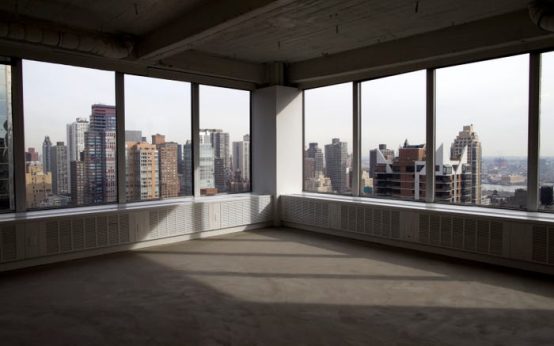 Challenges in the US Office Market Amid Rising Interest Rates
 Raising Children in the Hamptons: Emphasizing Values Over Wealth
 U.S. Home Prices Decline After Three-Year Climb
 U.S. Home Prices Decline for First Time in Three Years