Altadena, California is grappling with severe contamination following the Eaton Fire, a disastrous urban blaze that spread toxic compounds across the community. Residents are resorting to extreme measures to combat lead, arsenic, and asbestos in their environment.
A mother initiated chelation therapy for her son to address high levels of lead in his system. A geochemist refuses to enter his own home unless equipped with a respirator and protective gear. A cinematographer invested significant resources to test and clean his property, actions not taken by governmental cleanup programs.
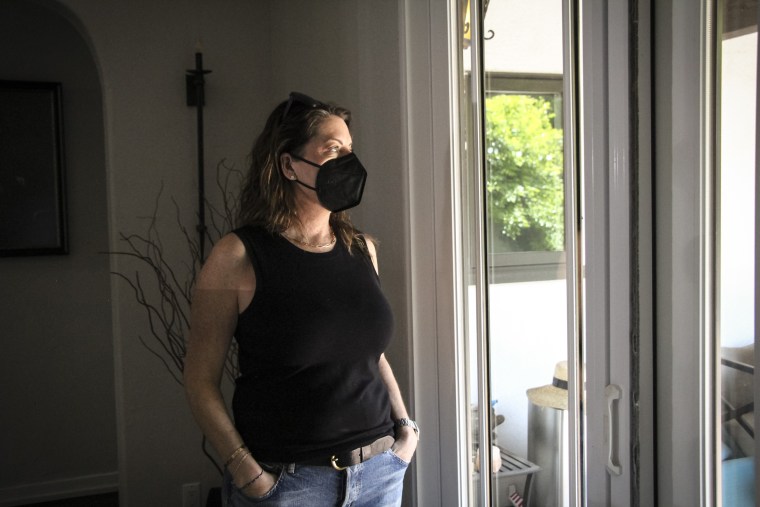
Sixteen months post-fire, Jennifer Rochlin, a ceramic artist, recounts how lead contamination pervades her home environment. Her personal lead tests showed widespread contamination, including within her HVAC system. Despite this, her insurance did not approve lead testing until she detected the metal herself. Rochlin has relocated twice and replaced numerous absorbent items compromised by the contamination.
Thousands remain displaced from Altadena, northeast of Los Angeles, as insurance coverage dwindles. The prolonged absence is particularly evident among the two-thirds of residents affected by the Eaton Fire. These circumstances have prompted local researchers and advocacy groups to spearhead independent investigations into the contamination.
Dawn Fanning, managing director of Eaton Fire Residents United, highlights the unprecedented nature of the fire disaster and the inadequacy of existing response systems. Local governments, insurance and remediation companies, and environmental agencies struggle to address the unique challenges presented by the urban conflagration.
California lacks residential safety standards for many hazardous substances found in Altadena homes, complicating decisions for homeowners and insurers regarding safe habitation. Testing labs utilize varied methodologies, adding complexity to determining contamination levels.
FEMA and the U.S. Army Corps of Engineers’ cleanup initiatives did not require soil testing, leaving potential risks unaddressed. Whistleblowers from the Army Corps cleanup operations expressed concern over incomplete soil remediation and residual contamination.
The Eaton Fire razed 9,400 homes and structures in January 2025, combining toxic elements like lithium from electric vehicle batteries, arsenic from old lumber, and asbestos from insulation into the firefighting smoke. Strong gusts exceeding 90 mph exacerbated the spread.
Alireza Namayandeh, a postdoctoral fellow at Stanford University, studied smoke samples from the fire. His research revealed the presence of nanoparticles capable of penetrating human tissues, posing significant health risks. The community faces ongoing challenges in addressing these hidden threats amid its proximity to both wilderness and urban areas.
 Arlington County Fire Department Criticized for Lacking Mental Health Support
  Preventable Cancer Cases Linked to Infectious Diseases
  Menopause Triggers Sudden Body Changes in Women
  Autoantibodies: A Potential Key in Pediatric Cancer Diagnosis
  Joe Manganiello’s Struggle with a Life-Threatening Health Condition
  Pennsylvania at the Center of U.S. Measles Outbreaks