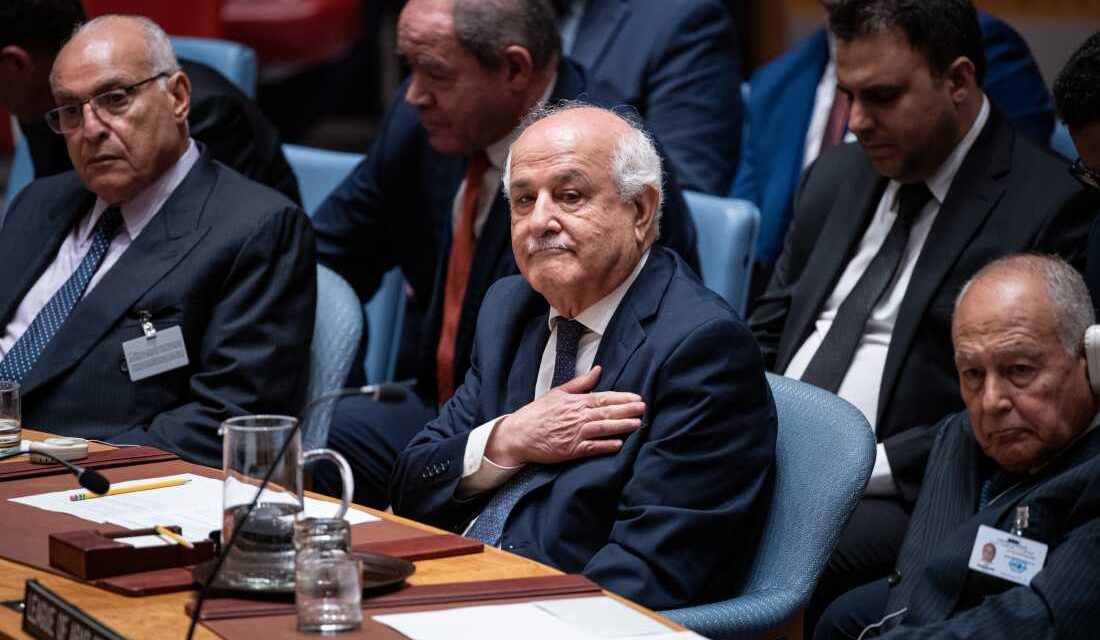
In Tel Aviv, a diplomatic tension has surfaced as the United States threatens to revoke the visas of the Palestinian delegation to the United Nations. The U.S. demands the withdrawal of Palestinian Ambassador Riyad Mansour’s candidacy for vice president of the General Assembly.
A U.S. State Department cable, obtained by NPR, instructs diplomats in Jerusalem to pressure Palestinian officials. The goal is to discourage their attempt to secure one of the 21 vice president positions at the UN. Possible consequences include visa revocation.
The cable, dated May 19 and marked sensitive, highlights Mansour’s history of accusing Israel of genocide. It suggests that his candidacy increases tension, undermining former President Trump’s peace plan for Gaza. The document criticizes Mansour’s bid as detrimental to U.S.-Palestinian relations.
The cable states, “A bully pulpit for Mansour would not improve the lives of Palestinians and would significantly damage U.S. relations with the PA [Palestinian Authority]. Congress will take it extremely seriously.”
Officials from Palestinian Authority President Mahmoud Abbas’ office did not comment on the issue. The cable notes potential visa revocations, referencing past occasions when the U.S. denied visas to top Palestinian officials, notably ahead of the U.N. General Assembly in New York.
A Diplomatic Critique of Visa Policy
The decision to threaten visa revocation has attracted criticism from some diplomatic circles. Former U.S. diplomat Hady Amr, who served under Obama and Biden, questioned the move. He described it as “counterproductive” due to its potential to hinder diplomatic problem-solving.
Amr emphasized that such visa restrictions are rare. He referenced only extreme cases, like espionage or election interference, as occasions when this might occur. He stressed the importance of diplomacy in solving international issues and warned against undermining this by expelling diplomats.
The State Department acknowledged its obligations under the UN Headquarters Agreement. It maintained the confidentiality of visa records, offering no specific comments on the recent actions.
Historically, a 1947 agreement prevents the U.S. from blocking UN officials visiting New York. Yet, U.S. authorities have previously denied visas to various Iranian, Russian, and former Palestinian leader Yasser Arafat, citing national security.
Ambassador Mansour Withdraws from Previous Race
Earlier this year, Mansour withdrew his candidacy for the presidency of the U.N. General Assembly, following U.S. lobbying efforts. Israeli U.N. Ambassador Danny Danon expressed relief at this decision. He accused the Palestinian delegation of trying to politicize the Assembly against Israel.
Danon urged the Palestinian delegates to focus on stopping terrorism incitement and reforming the Palestinian Authority instead. The upcoming elections for vice president roles on June 2 place the Palestinian ambassador among Asian and Pacific nations, such as Afghanistan, Iraq, and Mongolia. The new General Assembly president may ask a Palestinian vice president to lead significant UN sessions, which the U.S. cable terms “a worst-case scenario.”
Mansour’s Emotional Presence at the UN
Throughout his tenure, Mansour has captured attention with poignant speeches. His addresses often highlight the humanitarian struggles of Palestinians. In May, amid the conflict in Gaza, he delivered a tearful speech about children killed in airstrikes, expressing the devastation and loss experienced by their families.
In August, he advocated for a ceasefire as a means to save lives, both Israeli hostages and Palestinians in Gaza. Mansour appealed for peace, emphasizing that ongoing violence should not define the region’s future.
This report includes contributions from NPR’s Michele Kelemen in Washington and Aya Batrawy in Dubai.
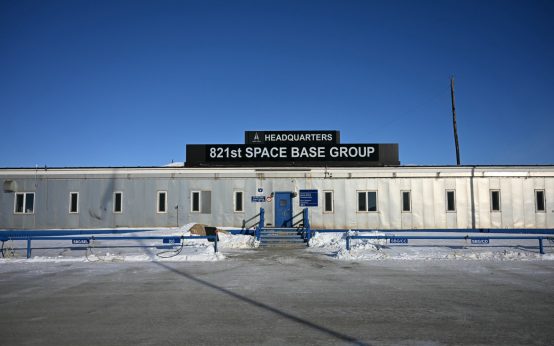 New U.S. Military Bases Planned in Greenland Amid Strategic Security Deal
 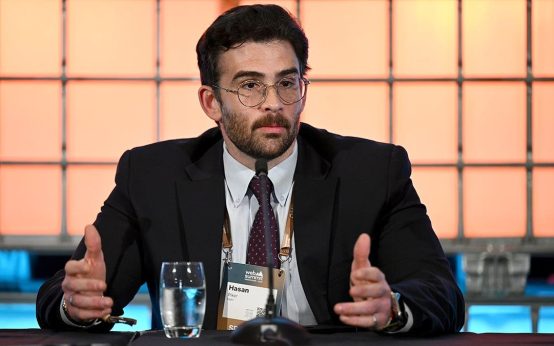 Twitch Streamer Hasan Piker Discusses Controversial Commentary
  A Shifting Political Landscape: The Decline of Autocratic Power
  Trump Delivers Warning to Iran, Cuba at UN General Assembly
 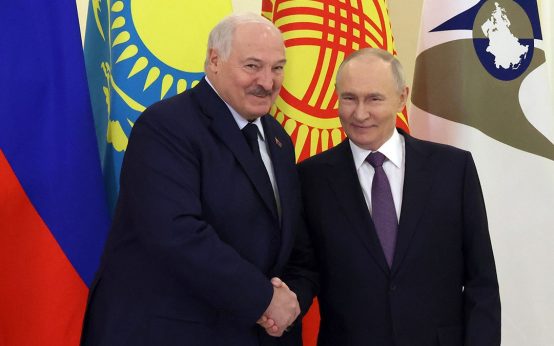 Lukashenko and Putin’s Unique Relationship and Belarus’ Strategic Role
  Alan Ritchson Faces Backlash Over Political Remarks