
Recent research indicates global warming is causing a gradual decrease in oxygen levels in rivers, posing risks to fish and aquatic life. A study conducted by Chinese researchers utilized satellites and artificial intelligence to examine over 21,000 rivers worldwide, revealing an average oxygen level drop of 2.1% since 1985. Published in Science Advances, the study highlights that if this trend persists or accelerates, regions such as the Eastern United States, India, and tropical areas may experience significant oxygen reductions by century’s end, potentially resulting in fish suffocation and creation of dead zones.
Basic principles of chemistry and physics indicate warm water, exacerbated by human-induced climate change, holds less oxygen. This process leads to oxygen being released into the atmosphere. If the current rate of oxygen loss continues, researchers expect rivers could lose an additional 4% of their oxygen by the century’s end, with some areas nearing a 5% decrease. Study lead author Qi Guan, an environmental scientist at the Chinese Academy of Sciences in Nanjing, emphasizes that this deoxygenation could severely impact both aquatic life and human populations reliant on these waterways.
Scientists express concern that oxygen depletion in rivers could result in dead zones, paralleling those witnessed in the Gulf of Mexico, Chesapeake Bay, and Lake Erie. These zones are characterized by fish struggling to breathe and increased mortality rates. Guan warns of prolonged deoxygenation leading to ecological crises such as biodiversity reduction and declining water quality.
University of Arizona geoscientist Karl Flessa, not involved in the study, commented via email on the potential for expanded hypoxic zones, especially during heat waves. He noted the precarious state of some rivers, where slight changes might push them into danger zones, impacting recreational fishing and other activities.
Focus Areas: India, Eastern US, and the Amazon
The study found India’s Ganges River, heavily polluted, lost oxygen over 20 times faster than the global average early this century. Projections suggest that even with moderate carbon dioxide emission increases, rivers in regions such as the Eastern United States, the Arctic, India, and much of South America could see about 10% oxygen loss by century’s end.
Guan highlighted particular concern for tropical rivers like Brazil’s Amazon. Previous research observed an increase of nearly 16 additional days with dead zones per decade since 1980. Utrecht University’s hydrology professor Marc Bierkens found that global river oxygen stress increased by 13 days per decade, with dead zones rising nearly three days per decade. Bierkens forecasts these numbers to escalate as temperatures continue to rise.
Guan’s research identified various oxygen depletion causes, such as nutrient pollution from fertilizers and urban runoff, coupled with dam construction and flowing issues. However, warmer water accounted for 63% of the problem. Duke University ecologist Emily Bernhardt, not involved in this study, emphasized the growing importance of reducing water pollution as rivers warm, despite the increased difficulty in achieving it.
 The Growing Threat of Glacial Lake Outbursts and the Urgent Need for Mitigation
 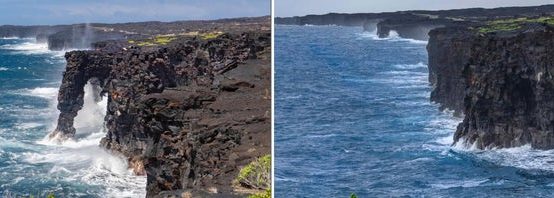 Collapse of Hawaii’s Holei Sea Arch Highlights Nature’s Impact
  Decrease in Atlantic Hurricanes: A 2026 Outlook
 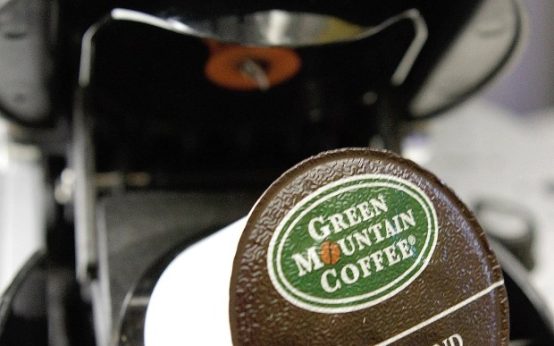 Keurig Dr Pepper Introduces Eco-Friendly Coffee Pods to Cut Waste
  Drought Drives Bears Closer to Human Habitats
  Viral Video Captures Elk Smashing Car Window in Colorado