Oil prices saw a slight decrease on Monday, following an overnight spike due to heightened geopolitical tensions. Brent crude lost 7 cents, trading at approximately $108 per barrel. However, earlier in the day, prices had exceeded $110. Benchmark U.S. crude also witnessed a decline, down 33 cents to about $102 per barrel. The volatility in oil prices has contributed to fluctuations in global stock markets. Early trading saw the S&P 500 rise by 0.1%, with the Dow Jones Industrial Average increasing by 33 points and the Nasdaq composite adding 0.2%.
Statements from Iranian and Israeli Leaders
Amid ongoing hostilities, Iran’s President Masoud Pezeshkian acknowledged the harm suffered by the nation during the conflict with the U.S. and Israel. He emphasized Iran’s capability to defend its rights robustly. Pezeshkian stressed the importance of unity and honesty among leaders, denouncing any misleading information that might create an inaccurate portrayal of the situation. He emphasized Iran’s intention to pursue diplomacy while maintaining its dignity and not yielding to pressure.
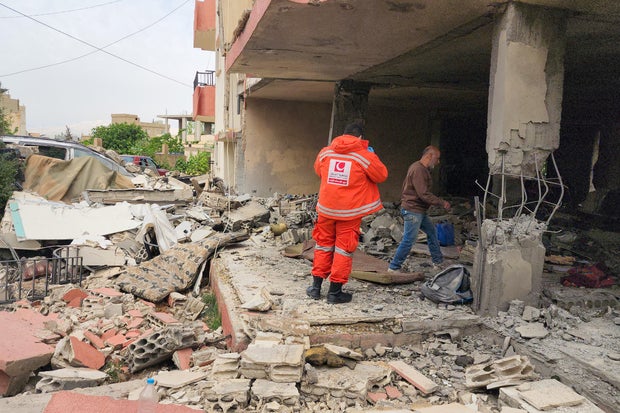
Meanwhile, Israeli authorities warned Lebanese residents in certain areas to evacuate due to imminent military strikes. The warnings are directed at those living near Hezbollah facilities, as the Iranian-backed group has been accused of violating the ceasefire.
Flotilla Detentions and Accusations
In a separate incident, Israeli forces detained activists, including the sister of Ireland’s president, who were part of the Gaza flotilla. The flotilla aimed at breaking the blockade of the Gaza Strip. Israeli officials dismissed claims of humanitarian intentions, stating that the flotillas often lack aid and primarily serve as provocations. Organizers of the flotilla criticized the interceptions as violating maritime laws.
Tensions in the Strait of Hormuz
Iran announced it is collaborating with Oman to ensure safe navigation through the Strait of Hormuz. The discussions aim to develop a mechanism for secure transit and involve coordinating with shipping companies to manage the passage of vessels. Iran insists on its right to manage traffic within its territorial waters and has established the Persian Gulf Strait Authority to oversee operations.
Former U.S. Defense Secretary Robert Gates highlighted the difficulty of resolving the conflict. He pointed out that despite the U.S.-Israeli efforts, eliminating Iran’s nuclear program remains a challenge.
Ongoing Conflict and Peace Negotiations
The prospect of a peace deal between Iran and the U.S. has seen limited progress, with indirect diplomacy continuing through Pakistani intermediaries. Iran has conveyed revised terms for a potential agreement to the U.S., though discussions have yet to focus on nuclear concerns. The primary emphasis remains on ending the conflict while acknowledging Iran’s rights under international treaties.
The region continues to face threats, with recent Israeli airstrikes in Lebanon prompting condemnation from Germany. In the aftermath of these strikes, casualties were reported, including children, which further complicates diplomatic efforts.
As global markets react to these developments, the world community watches closely, concerned about further escalation and its impact on geopolitics and economies worldwide.
 Increasing Number of Americans Seek Luxembourg Citizenship Amid Political Tensions
 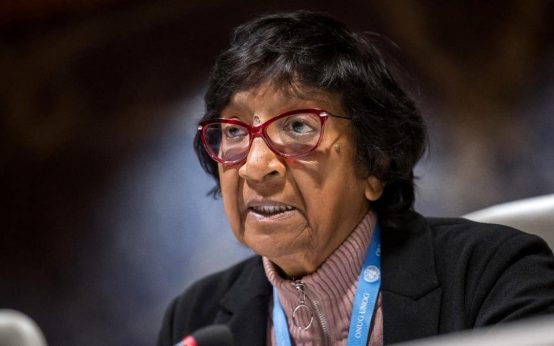 Jack Keane Defends Israel Amid UN Criticism, Pillay’s Nobel Victory
  Empire State Building Honors Fox News’ 30th Anniversary
  Investigating the Far-Left Influence Behind France’s Student Protests
  Navigating Complexities in the Strait of Hormuz Conflict
  Nobel Peace Prize Awarded