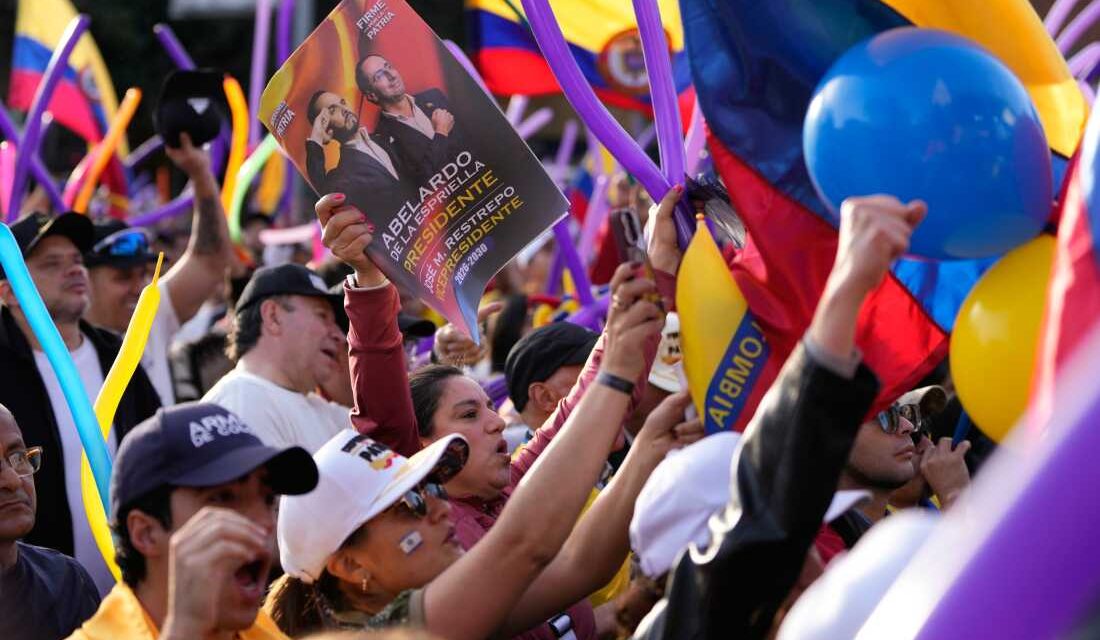
In Bogota, Colombia, a crowd enthusiastically attended a campaign rally to support Abelardo de la Espriella, a presidential candidate. He is running as part of the Defenders of the Motherland movement in the upcoming election. De la Espriella, a prominent criminal lawyer, has drawn attention for flaunting his wealth and machismo, appearing in music videos, and pledging to reduce crime severely.
Unlike traditional politicians, de la Espriella presents himself as a populist outsider. He boasts of not belonging to any political party and having never held an elected position. He argues that his outsider status is advantageous. “I’m not a politician,” he declared at a recent rally in Piedecuesta, a town in northern Colombia. “Politicians never fulfill their promises, but entrepreneurs like us do.” His platform promises a significant shift to the right following President Gustavo Petro’s four-year left-wing rule. De la Espriella vows to end peace negotiations with rebel groups, initiate a military offensive, and construct ten “mega-prisons.”
Belkis Serrano, a businesswoman at the rally, likens de la Espriella to Nayib Bukele, El Salvador’s president. Bukele’s administration, known for its authoritarian approach, has incarcerated over 2% of the adult population. De la Espriella’s resemblance to Bukele strengthens his image as a strongman in the region.
A victory for de la Espriella would align Colombia with a broader regional trend toward right-wing governments. Countries like Argentina, Bolivia, and Chile currently feature right- or center-right leadership. Meanwhile, in Peru and Brazil, right-wing candidates Keiko Fujimori and Flavio Bolsonaro could further expand this trend with potential election wins this year.
De la Espriella, 47, gained fame and fortune representing controversial clients, such as the founder of a pyramid scheme and Alex Saab, a businessman with ties to former Venezuelan leader Nicolás Maduro. Dubbed “the devil’s advocate,” de la Espriella has amassed considerable wealth, including a Rolls Royce and a private jet. His luxury fashion line, De La Espriella Style, features high-end items like sneakers priced at $1,300. Additionally, he performs in music videos, showcasing a flair for the dramatic.
For many Colombians, de la Espriella embodies the aspiration for upward mobility. According to political analyst Sandra Borda, his opulence and charismatic personality appeal to the masses in a uniquely tropical way. His showmanship generates significant social media traction.
However, his brash behavior often deters some voters. Known for insulting journalists, de la Espriella’s off-the-cuff, macho remarks can alienate potential supporters. Sergio Guzmán of Colombia Risk Analysis suggests that these character flaws could harm his candidacy.
The leading candidate, according to polls, is Iván Cepeda. Cepeda is a left-wing senator and protege of President Petro. Unlike de la Espriella, Cepeda advocates for peace and human rights. His father, a Communist politician, was killed by paramilitaries in 1994. Cepeda has dedicated himself to peace efforts since that tragedy. He played a significant role in the 2016 peace treaty with Colombia’s largest guerrilla group and supports the Petro administration’s Total Peace initiative.
Yet, despite his commitment, the Total Peace policy faced criticism. Javier Florez from Bogotá-based Ideas for Peace Foundation says mistakes in negotiating strategies have led to the expansion of armed groups from 15,000 to about 27,000 fighters. These groups have conducted violence in rural areas, damaging the perception of peace talks.
Should Cepeda win, he plans to continue negotiations without a clear strategy to handle security issues, offering an opportunity for rivals. Although leading in polls, Cepeda faces competition due to the presence of 13 candidates. A potential runoff on June 21 seems likely,with de la Espriella predicted to be the main contender.
Another candidate, Senator Paloma Valencia, could challenge de la Espriella. Hoping to become Colombia’s first female president, Valencia presents herself as a moderate conservative. She criticized de la Espriella’s campaign style, calling him a “coward” for wearing protective gear and mocking his macho image. De la Espriella, however, remains focused on projecting his toughness.
 Potential 2028 Presidential Candidates Begin Campaigning
 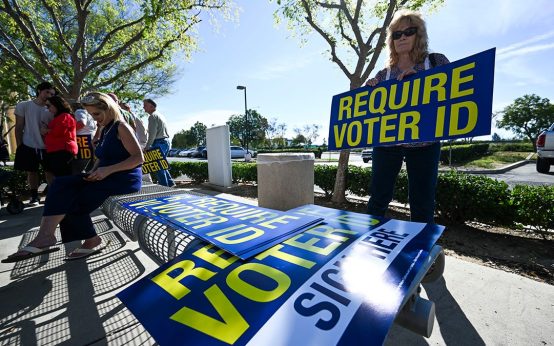 California Voter ID Proposal Sparks Debate
  Nevada Governor Race Heats Up as Election Day Approaches
  Rethinking Child Welfare Policy: A Call for Reform
  Trump Initiates Inquiry into Federal Reserve Governor Lisa Cook
 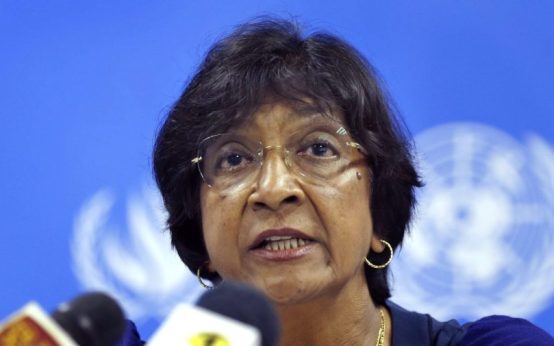 Michigan Senate Debate Highlights Intense Personal Attacks