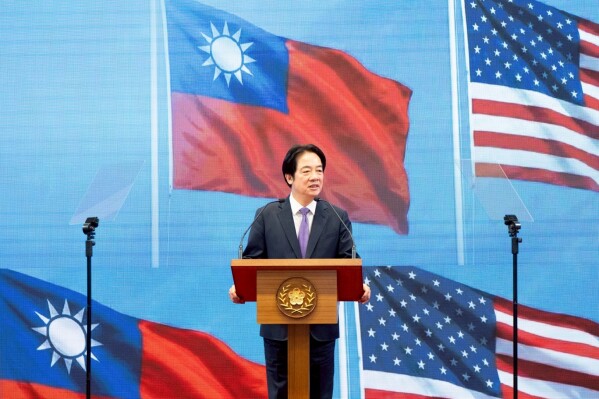
Taipei, Taiwan – Taiwan’s president underscored the importance of purchasing arms from the United States to deter regional conflict and maintain stability. This statement followed concerns raised by President Donald Trump’s comments questioning ongoing U.S. backing after his China visit.
President Lai Ching-te noted that U.S. arms sales and security cooperation with Taiwan are legally driven and crucial for peace. He expressed gratitude for Trump’s consistent support for stability across the Taiwan Strait, highlighting increased arms sales during Trump’s tenure.
Trump’s recent remarks raised doubts about continued armament supply to Taiwan, a self-governing island that China views as a province poised for possible reclaim by force. The U.S. does not officially recognize Taiwan due to formal ties with China, but remains Taiwan’s primary supporter. U.S. legal commitments to aid Taiwan’s defense make threats to Taiwan a significant concern.
Trump approved an $11 billion arms package in December featuring missiles, drones, artillery, and software. He mentioned a pending $14 billion package, contingent on China’s stance, describing it as a negotiation tool.
Taiwanese officials reassured that U.S. policy remains unchanged amid tensions. Lai affirmed Taiwan’s commitment to preserving its sovereignty and democratic lifestyle despite pressures, labeling China as undermining regional peace.
U.S. House Speaker Mike Johnson backed Lai, affirming Congress’s resolve against territorial aggression by China. He praised Lai’s stance during a Fox News appearance.
On ABC’s “This Week,” U.S. Trade Representative Jamieson Greer noted Trump’s cautious approach towards arms sales, stressing national security needs. He acknowledged that previous presidents have paused such sales and emphasized numerous factors influencing Trump’s decision.
During recent discussions, Chinese President Xi Jinping marked Taiwan as central in U.S.-China relations, warning Trump of potential conflicts if mishandled. Xi’s comments surfaced amidst longstanding separate governance since 1949, following a civil war resulting in Taiwan’s democratic transition.
 Trump Administration’s Plan to Resettle Afrikaners as Refugees
 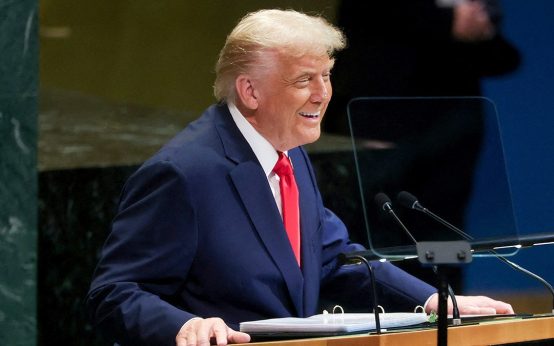 Trump’s Vision on Iran, AI, and Global Security at the UN
 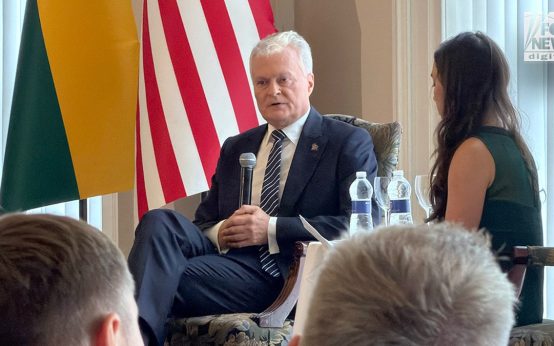 Lithuanian Leader Seeks U.S. Military Commitment Amid Rising Russian Threats
 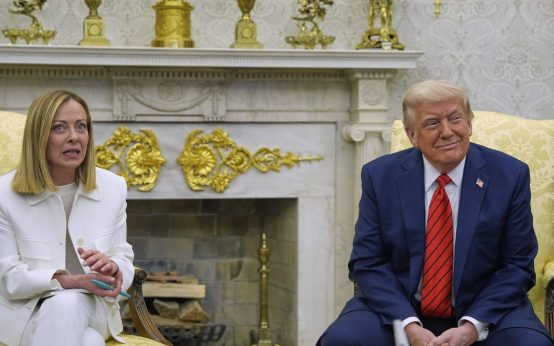 Italian PM Giorgia Meloni Skips UN General Assembly Amid Growing Tensions
 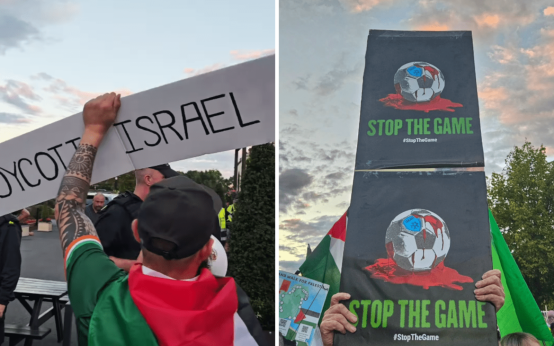 Calls Grow for Ireland’s Soccer Team to Boycott Matches Against Israel
 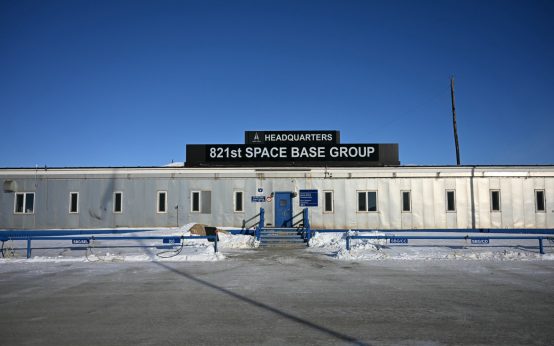 New U.S. Military Bases Planned in Greenland Amid Strategic Security Deal