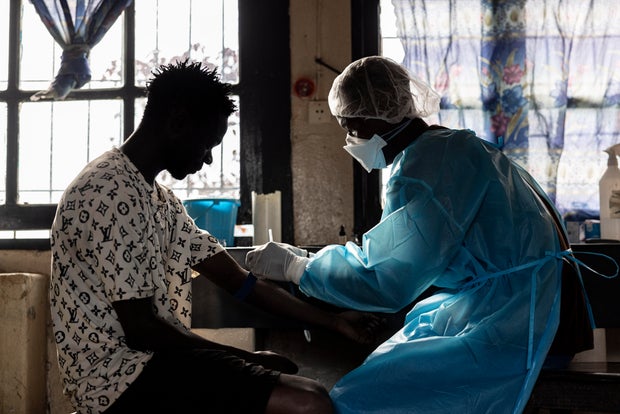
The Red Cross has reported the deaths of three volunteers in the Democratic Republic of Congo due to Ebola infection. These individuals passed away during their service in the Ebola-afflicted region of Ituri province, known as the outbreak’s epicenter.
The volunteers, Alikana Udumusi Augustin, Sezabo Katanabo, and Ajiko Chandiru Viviane, were part of the DR Congo Red Cross in Ituri. They contracted the virus while performing humanitarian duties in March, unaware of the Ebola outbreak sweeping the area. This tragedy serves as a stark reminder of the risks faced by those working in high-risk environments.
A statement from the International Federation of Red Cross and Red Crescent Societies (IFRC) emphasized the volunteers’ dedication: “These volunteers lost their lives while serving their communities with courage and humanity. Their commitment reflects the extraordinary dedication shown every day by Red Cross volunteers working in complex and high-risk environments to support vulnerable people.”
This incident underlines the severity of the Ebola outbreak, which has prompted the World Health Organization to declare an international public health emergency. The outbreak has impacted both Congo and its neighbor Uganda. In Congo, the WHO observes 82 confirmed Ebola cases with seven deaths, alongside nearly 750 suspected cases and 177 suspected fatalities.
The virus threat expands further afield, as the Africa Centres for Disease Control and Prevention identifies additional high-risk nations, including Angola, Burundi, and Ethiopia. Uganda has confirmed five Ebola cases, including exposures via a driver and health worker linked to an initial case.
Dr. Craig Spencer, who survived an Ebola infection during his work with Doctors Without Borders, expressed particular concern for healthcare workers. These individuals face elevated risks due to close contact with highly contagious patients. Ebola spreads via direct contact with infected bodily fluids, leading to severe symptoms and potential organ failure.
The epidemic features the Bundibugyo virus strain, rare and without approved vaccines or treatments. Despite recent challenges, the IFRC and other organizations remain committed to addressing the crisis and aiding affected communities.
Reflecting the heightened urgency, the WHO increased Congo’s risk assessment from high to very high, though it maintains a high regional risk and low global threat.
 Where is Austin Tice?
  Trump’s Speech Targets Iran’s Nuclear Ambitions at U.N.
  U.S., Denmark, and Greenland Sign New Security Agreement
 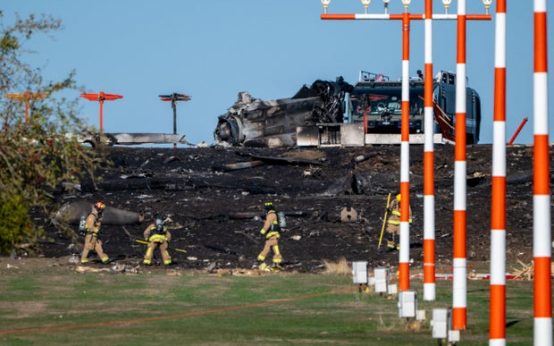 U.S. Military Aircraft Crash at Spangdahlem Air Base
  New Insights into Suicide Prevention Strategies
 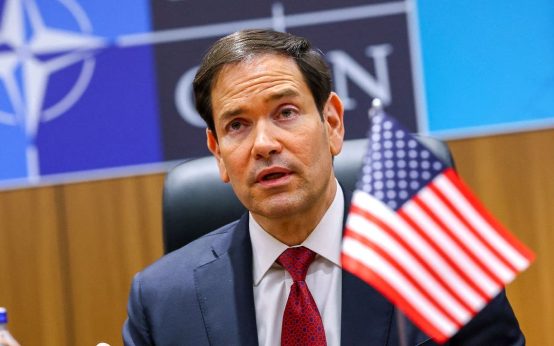 Marco Rubio Criticizes NATO’s Role Amid Middle East Conflict