
Yair Lapid, Israel’s opposition leader, voiced concerns over the emerging U.S.-Iran deal, stating it falls short of meeting Israel’s objectives in the ongoing conflict. He criticized Prime Minister Benjamin Netanyahu for failing to secure a more favorable agreement.
Lapid, aiming to unseat Netanyahu in the upcoming elections, described the proposed deal as troubling. He addressed reporters in Jerusalem, declaring, “The deal is bad for Israel, bad for the region, bad for the citizens of Iran.”
Israel and the U.S. initiated the conflict on February 28 with the aim of dismantling Iran’s ballistic missile program, halting support for regional militant groups, and preventing Iran from developing a nuclear weapon. Both Netanyahu and U.S. President Donald Trump also intended to create conditions to overthrow Iran’s government.
Under current negotiations, Iran might relinquish its highly enriched uranium stockpile and reopen the crucial Strait of Hormuz. In return, the U.S. would end its blockade of Iranian ports and lift sanctions. Key aspects of Iran’s nuclear program would be addressed in a 60-day negotiation period. Uncertainty remains about whether the deal will address Iran’s missile program or its support for militant groups.
Lapid expressed appreciation to Trump for initiating the conflict with Israel but criticized Netanyahu for allowing the U.S. to negotiate with minimal Israeli input. “The Israeli government is at an all-time low in its ability to influence decisions in Washington,” he stated, referencing Trump’s previous remarks indicating Netanyahu’s compliance.
An anonymous official indicated that Netanyahu emphasized Israeli autonomy to Trump, asserting, “Israel is a sovereign state, not a vassal or protectorate.”
Lapid, leading the centrist Yesh Atid party, briefly served as prime minister in 2022 under a rotation agreement with Naftali Bennett, head of a small conservative party. Their coalition ended Netanyahu’s 12-year rule. The parties have reunited, led by Bennett, to challenge Netanyahu in elections scheduled by the end of October.
Lapid, advocating for Palestinian independence, acknowledged it won’t be on the next government’s agenda. He cited the aftermath of Hamas attacks in October 2023 and subsequent wars as impediments. “There will be no two-state solution in the coming years,” stated Lapid, highlighting the inability of the Palestinian Authority to prevent attacks on Israel.
He opposed unilateral actions that could hinder a future Palestinian state and received assurances from Bennett against annexing occupied territories. Lapid ruled out cooperation with Arab parties in forming a coalition against Netanyahu. Previous successful coalition with Arab faction leader Mansour Abbas in 2021 broke tradition, but Lapid cited current circumstances as unwelcome for repeating such alliances.
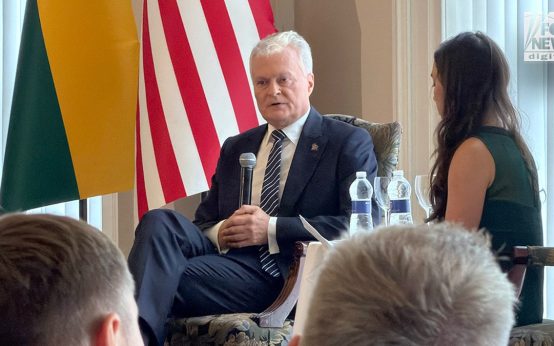 Lithuanian Leader Seeks U.S. Military Commitment Amid Rising Russian Threats
 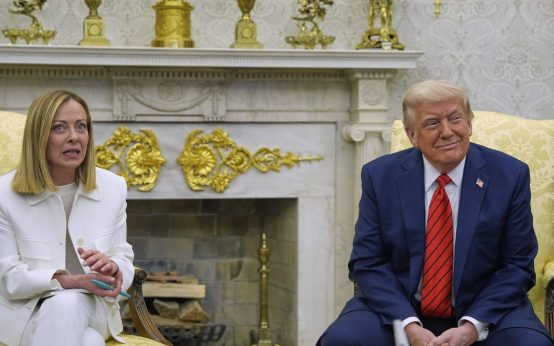 Italian PM Giorgia Meloni Skips UN General Assembly Amid Growing Tensions
  Calls Grow for Ireland’s Soccer Team to Boycott Matches Against Israel
 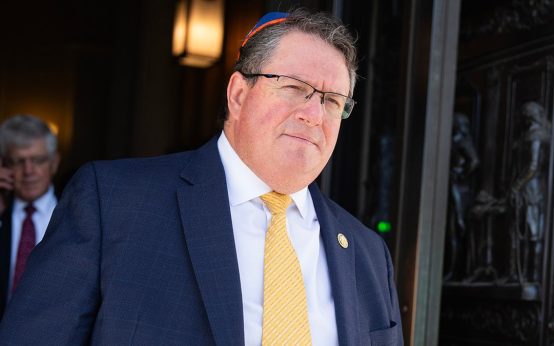 Congressman Randy Fine’s Bold Political Stance and Views on AI Regulation
 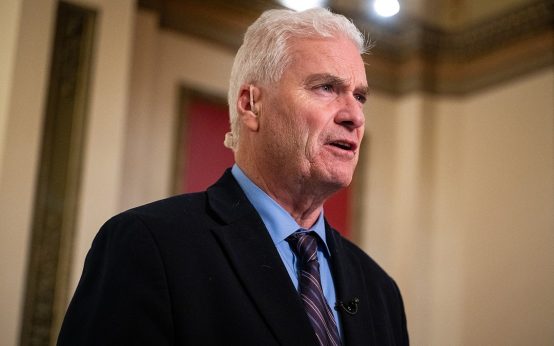 Political Messaging and Strategy Leading Up to Midterms
  President Trump Proposes ‘Super Intelligence’ as New AI Term