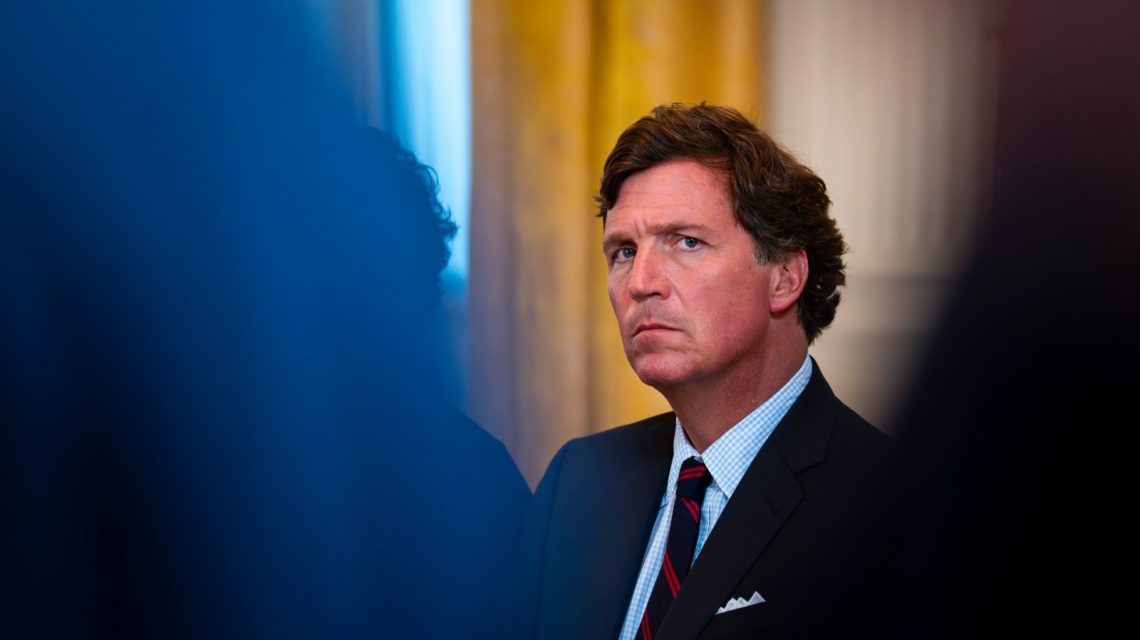
Tucker Carlson has ignited debate by suggesting Americans stop paying their credit card bills. This bold comment arises amidst record-high household debt.
Carlson’s Unusual Position
In a video on X, Carlson stated, “I think people should stop paying their credit cards. I know no one else agrees with me.” His remarks challenge traditional financial norms and suggest a shift in focus towards the working class’s struggles. Kevin Thompson, CEO of 9i Capital Group, noted Carlson’s unexpected stance, commonly associated with left-wing populism. “If Americans broadly stopped paying their credit card bills, the entire system would seize up almost immediately,” Thompson told Newsweek.
Fairness of the Financial System
During the interview, Carlson questioned the system’s fairness, likening Americans’ debt situation to drug addiction. He remarked, “That’s like just blaming the drug addict and never mentioning the dealer.” Carlson’s view is that high credit card debt and an unfavorable financial system justify refusing participation in the system.
Criticism and Response
Critics swiftly reacted to Carlson’s suggestions. Online users and finance experts argue his advice is irresponsible. “Telling Americans to just stop paying? That’s a grenade, not a protest,” said Michael Ryan, founder of MichaelRyanMoney.com. Ryan explained the consequences: credit scores collapsing, accelerated full balance demands by lenders, and potential wage garnishments.
Current Credit Card Debt Landscape
Carlson’s comments come amid elevated U.S. consumer debt levels. Many Americans carry credit card balances on which they pay high interest rates. Interest rates on student debts have also surged, affecting undergraduate and graduate loans significantly.
Alternative Views on Debt
Dave Ramsey, a financial advisor known for advocating debt avoidance, disagrees with Carlson. On The Ramsey Show, he emphasized paying off debt aggressively and questioned the necessity of credit cards. Ramsey pointed out that a vast majority fail to pay their full balance every month.
Risks of Non-payment
Failure to pay credit card bills can severely damage credit scores, lead to collection actions, and result in lawsuits. These consequences limit future financial options, affecting loan eligibility, housing, and job opportunities, according to Alex Beene, a financial literacy instructor.
Future Implications
While Carlson’s comments are unlikely to change policies, they coincide with growing scrutiny over credit card debt and interest rates. Although frustrations are understandable, Ryan warns of the disastrous math involved in defaulting.
 Republican Strategy in Upcoming Elections Amid Democratic Socialist Presence
  Trump’s Strategy to Address Prescription Drug Pricing
  Democrat Gaining Traction in Texas Senate Race
  President Trump Creates ‘AI Force’ Amid Rising Concerns
  A Look into Wisconsin’s Budget Strategy and Its Implications for Federal Policy
  House GOP Continues ActBlue Investigation Over Alleged Foreign Donations