
The Supreme Court’s recent decision has altered the landscape of the Voting Rights Act, posing challenges for Black members of Congress regarding their future strategies. This ruling affects many, including Representative Cleo Fields from Louisiana.
Cleo Fields had his first encounter with the Voting Rights Act at the age of two, growing up during a period when America was reconciling with the notion of Black individuals voting and occupying political offices. In recent weeks, Fields—part of a 65-member Black congressional contingent—was attending a committee meeting when a startling notification appeared on his phone. The Supreme Court had delivered a ruling, significantly impacting Fields’s district in Louisiana.
The implications of this decision are profound. The very legislation that played a pivotal role in enabling a young Black individual from Baton Rouge to rise to congressional status now faces significant limitations. Black congressional members are now reevaluating how they will advocate for voting rights, considering what this ruling means for their constituents and the nation.
 Mayor Mamdani and President Trump Discuss Housing and Immigration in NYC Meeting
 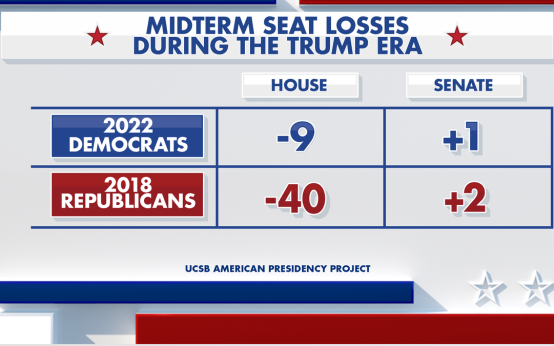 MAGA Movement Gains Popularity Over Socialism Amid Democratic Party Debates
 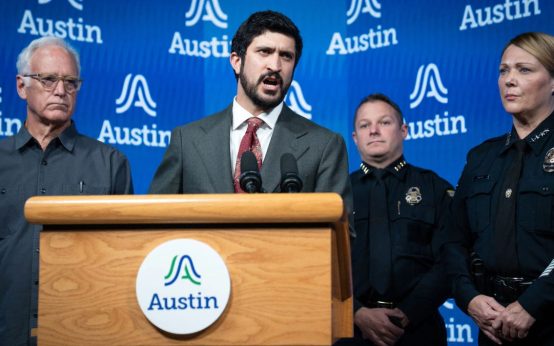 Austin Democrats Criticized for Comments on ICE Shooting
  Trump’s Speech Targets Iran’s Nuclear Ambitions at U.N.
  Impact of Tariffs on Everyday Products
 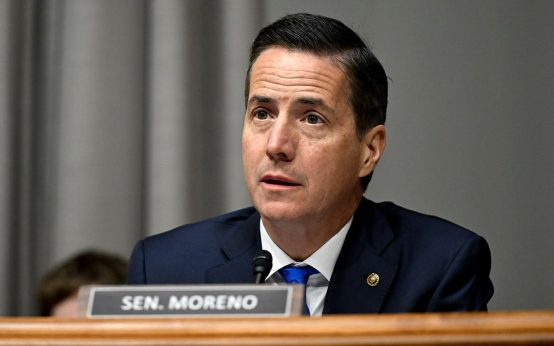 Senator Bernie Moreno Urges DOJ to Address Drug Policy Enabling Forced Abortions