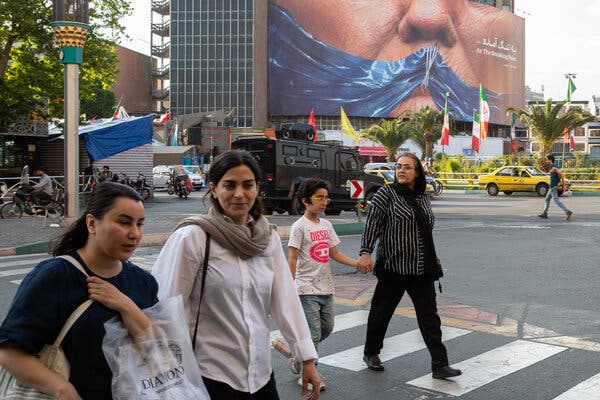
The United States and Iran are in the midst of discussions aimed at reaching a deal to end the ongoing conflict and reopen the Strait of Hormuz. This key waterway, crucial for oil and gas transportation, has faced a blockade by Iran.
Despite ongoing talks, there is no clear sign of an immediate resolution. Both nations have shared conflicting views about the potential agreement, causing uncertainty about its finalization.
Iran’s Position
Esmail Baghaei, spokesman for Iran’s foreign ministry, stated that significant progress had been made on many issues. However, he cautioned that a signed agreement was not yet on the horizon. His remarks were broadcast by Iran’s state media.
The U.S. Response
President Trump expressed that the agreement might be “great and meaningful” or potentially not occur at all. He remained firm in ensuring that any deal with Iran meets specific standards, dismissing claims of inadequate strictness. Trump highlighted that there is no need to rush the process, urging both parties to approach this methodically.
While President Trump assured that any agreement would be appropriate, details remain under wraps, adding to the uncertainty surrounding the outcome of these negotiations.
 Former CEO Sentenced for Bank Fraud and Sanctions Evasion
 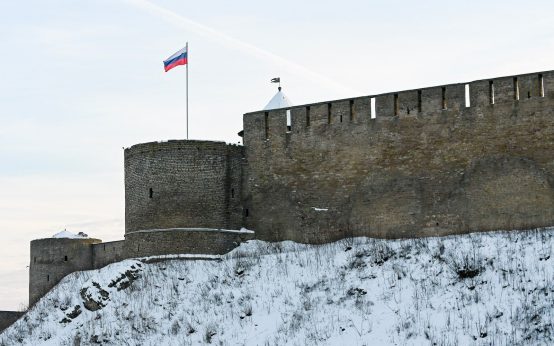 Russia’s Potential Incursion Into Estonia: NATO’s Resilience Under Scrutiny
  Senators Urge Action to Free Imprisoned Journalist in Iran
 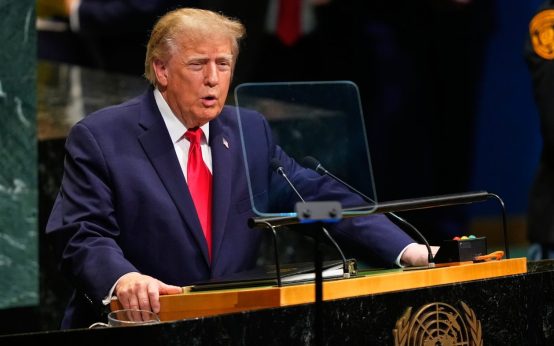 Trump’s Address at UNGA and Key Political Developments
  Irish Athletes Urge Boycott Against Israel
  U.S.-China Summit and the Taiwan Dilemma