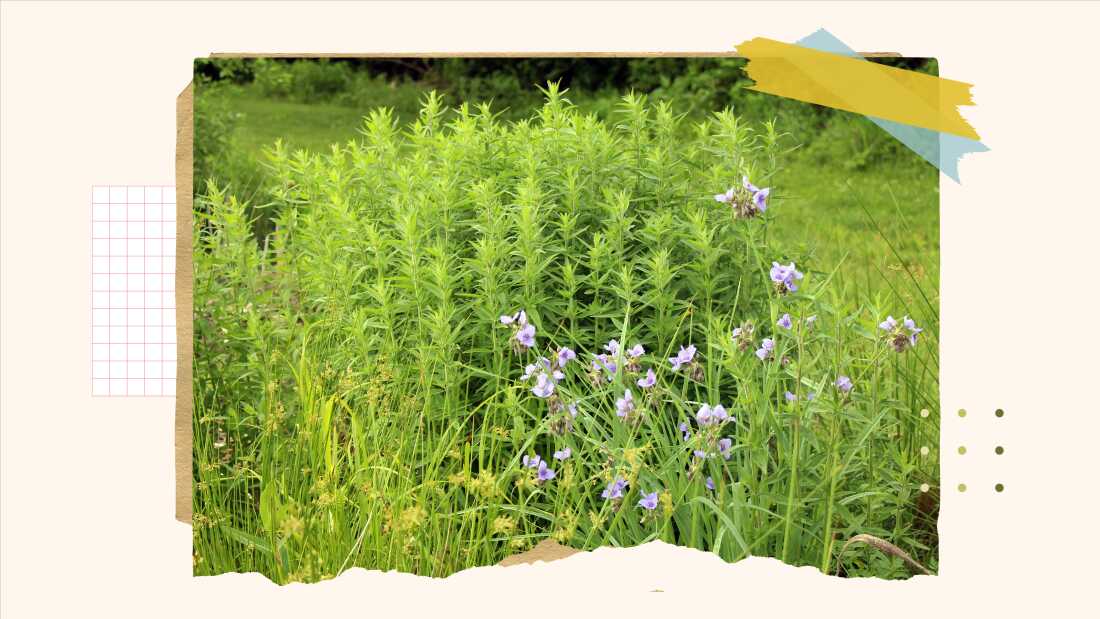
Once a simple lawn, this garden near Kansas City is now a vibrant haven for Midwest native plants, including Ohio spiderwort and mountain mint. These native species attract an abundance of pollinators. NPR is dedicating a week to exploring community-led climate solutions amidst challenging political landscapes. As federal actions on climate change stall, local initiatives are stepping in to address climate pollution and adapt to severe weather conditions.
Reimagining Lawns for Environmental Benefits
Lawns offer great spaces for recreation, but they cover 40 million acres in the U.S., equivalent to the size of Georgia. This expansive turf has environmental downsides. Gas-powered equipment like lawn mowers emit 30 million tons of air pollutants annually, according to the Environmental Protection Agency. Additionally, fertilizers and weedkillers used for lawn maintenance enter storm drains, polluting lakes and rivers. Reducing lawn sizes diminishes these impacts and provides room for gardens that support wildlife. In the face of dwindling bird and butterfly populations, native plant gardens can create more diverse habitats, even surpassing the combined size of national parks like Yellowstone.
Creating Your Native Plant Garden
If you’re ready to replace part of your lawn with a garden, start with these steps:
- Choose a Plot: Begin modestly, especially if you’re new to gardening. According to Stacia Stelk of Deep Roots KC, starting small prevents overwhelming tasks and promotes gradual expansion. Removing large portions of the lawn at once can lead to complications like weeds and erosion.
- Select Plant Varieties: Opting for native flowers, trees, and shrubs turns spaces into wildlife magnets by supporting insects dependent on specific plants. Evaluate your plot’s sun exposure and soil conditions to choose appropriate plants. Regional-specific plant groups can guide your selection process with cheat sheets and sample plans to choose native species suited to your area.
- Grass Removal Techniques: Various methods are available to eliminate existing grass. Options include solarizing with plastic, smothering with cardboard, manually removing sod or leveraging herbicides. Each method varies in labor intensity and duration, and resources like Iowa State University’s guide can be helpful.
- Acquiring Plants: Native plant stocks are often scarce at traditional garden centers. Search for native plants via advocacy group listings, pop-up events, or local swaps for cost-effective purchases. Small plant plugs can be a budget-friendly choice, as they grow rapidly. Starting from seeds, although time-intensive, is another viable option.
- Plant and Maintain: Once plants are in place, mulch around them. Ideal spacing depends on plant type, aiming for full coverage as plants mature. This minimizes mulch replenishment and weed growth. Be patient; perennials often take three years to flourish.
- Monitor Growth: Keep an eye on weeds and dry conditions as your seedling grows. Watering may be necessary initially but native plants typically thrive independently once established. Overwintering strategies include leaving stems and fallen leaves intact for bees and butterflies.
Paula Diaz notes that native gardens provide rewarding experiences with abundant wildlife and birdsong. Her gardening efforts sparked interest among neighbors encouraging local adoption. The environmental benefits coupled with personal fulfillment make native gardening a worthwhile pursuit.
Celia Llopis-Jepsen hosts the environmental podcast Up From Dust and reports for Harvest Public Media. The episode was produced by Sylvie Douglis, under the editing supervision of Shahla Farzan, Malaka Gharib, and Neela Banerjee, with visual input from CJ Riculan.
Feedback is welcome at [email protected]. Tune into Life Kit on Apple Podcasts and Spotify or register for their newsletter.
 Challenges to Protecting Midwest Wildlife
 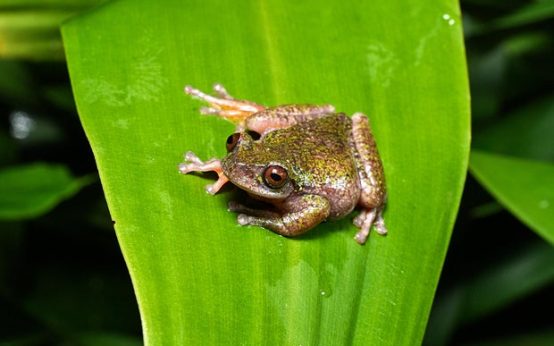 Discovery and Risks Facing Costa Rica’s New Frog Species
  Florida Business Owners Charged for Deterring Nesting Birds with Mothballs
  Tariffs on Polysilicon Impact Green Energy Transition
  Lake Mead Hits Lowest Water Level as Colorado River Crisis Worsens
 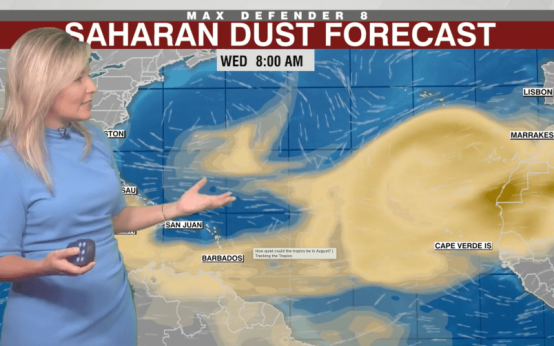 The Effects of Saharan Dust on U.S. Weather