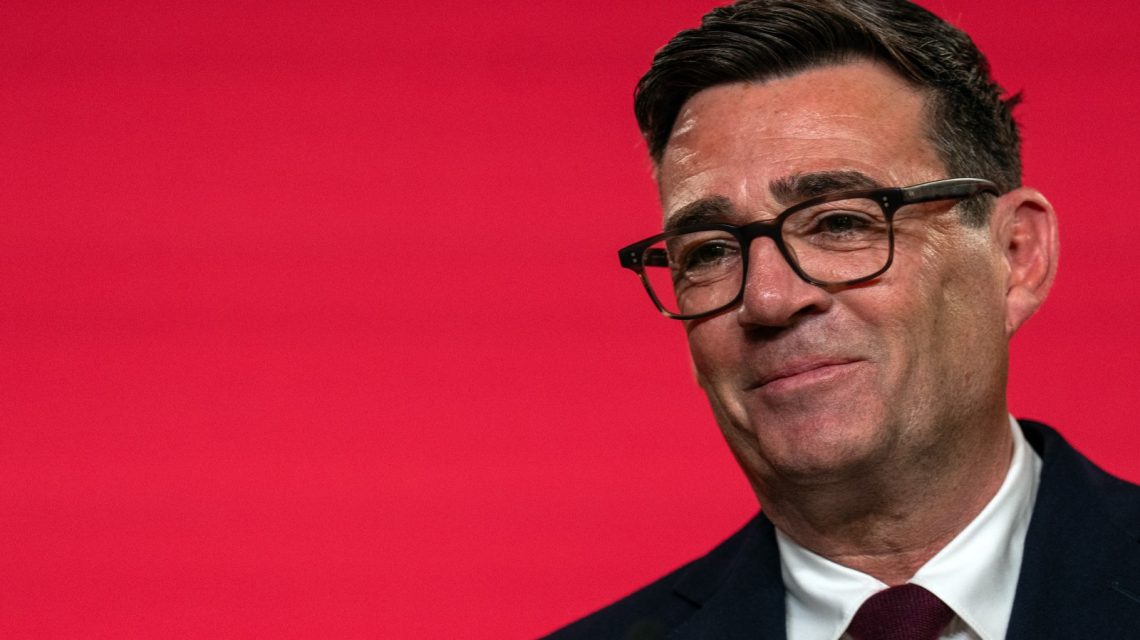
When asked about Andy Burnham, the new Prime Minister of the UK replacing Keir Starmer, President Donald Trump admitted he knew little about him. Trump noted Burnham as being extremely liberal and speculated that this might prevent him from expanding oil drilling in the North Sea. This was an issue Trump linked to Starmer’s short tenure.
Burnham, known for his business-friendly approach, faces the challenge of winning Trump over amidst the latter’s criticism of left-leaning politicians as ‘communists’. Burnham’s leadership in the Labour Party began after he won a special parliamentary election. His agenda focuses on revitalizing Britain’s politics and economy, which are currently sluggish.
His vision, inspired by Manchester’s economic growth under his watch, emphasizes ‘Manchesterism.’ This involves combining private and public investment in infrastructure, housing, and transport. Burnham advocates for local leaders’ autonomy, new industrial jobs, improved education, and increased public control of privatized utilities. He aims for what he describes as business-friendly socialism.
“There is nothing in Burnham’s proposed policies that is not ‘social democratic’.” – Sheri Berman
Professor Sheri Berman places Burnham’s platform within the European social democratic tradition. His policies suggest stronger public services, expanded housing, and tighter control over essentials, different from the ‘communist’ label Trump might use. Berman mentions these goals as a return to pre-Thatcher public utility control.
James D. Boys, a research fellow, sees Burnham moving Labour leftwards, reminiscent of the policies before Thatcher, including utility re-nationalization and expanded public housing funded by tax hikes. He draws comparisons to democratic socialists in the U.S., distancing from the centrist policies of the 1990s.
Despite this shift, Burnham positions himself as pro-business and supports some anti-immigration policies. David Bailey, an associate professor, suggests Burnham’s changes may be more tonal than radical. During recent campaigns, Burnham highlighted the need for reduced net migration.
Addressing Trump, Burnham plans to be direct, hoping his own personality will sustain a stable relationship. Drawing parallels with Trump’s interaction with New York Mayor Zohran Mamdani, Bailey believes Trump’s approach to Burnham may prioritize popularity over ideology.
However, Boys anticipates potential conflicts with the Trump administration, especially on challenges requiring diplomatic finesse. He predicts disagreements on issues like Gaza and military involvement in Iran. Burnham is less likely to nurture a relationship with Trump, potentially betting on Democratic success in upcoming U.S. elections while favoring ties with the EU.
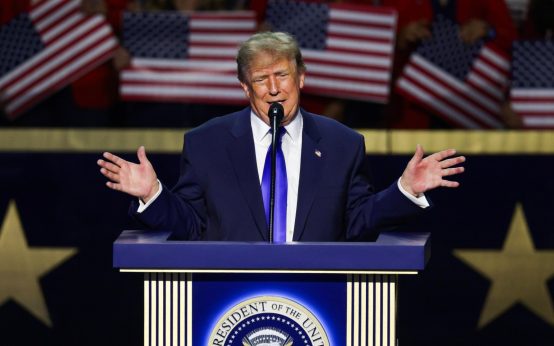 Republican Senator Criticizes Trump’s $5,000 Check Proposal
 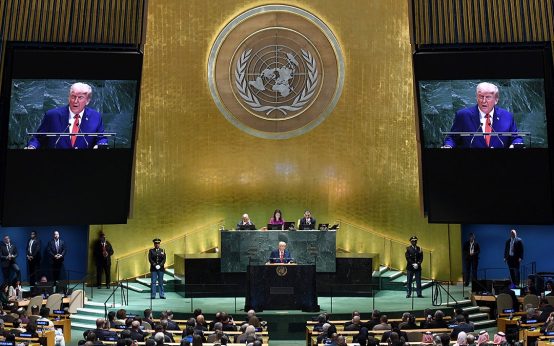 Trump’s Approach to Iran at the United Nations
 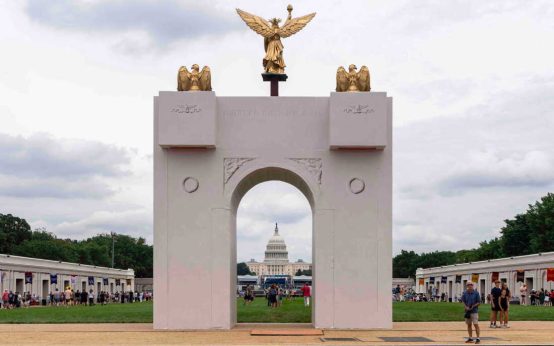 Trump’s Triumphal Arch Controversy
  Concerns Over Abdul El-Sayed’s Potential Senate Role and National Security
  Kentucky Governor Andy Beshear Discusses Tariffs, Faith, and Political Ambitions
  North Korea’s Missile Launches Escalate Tensions