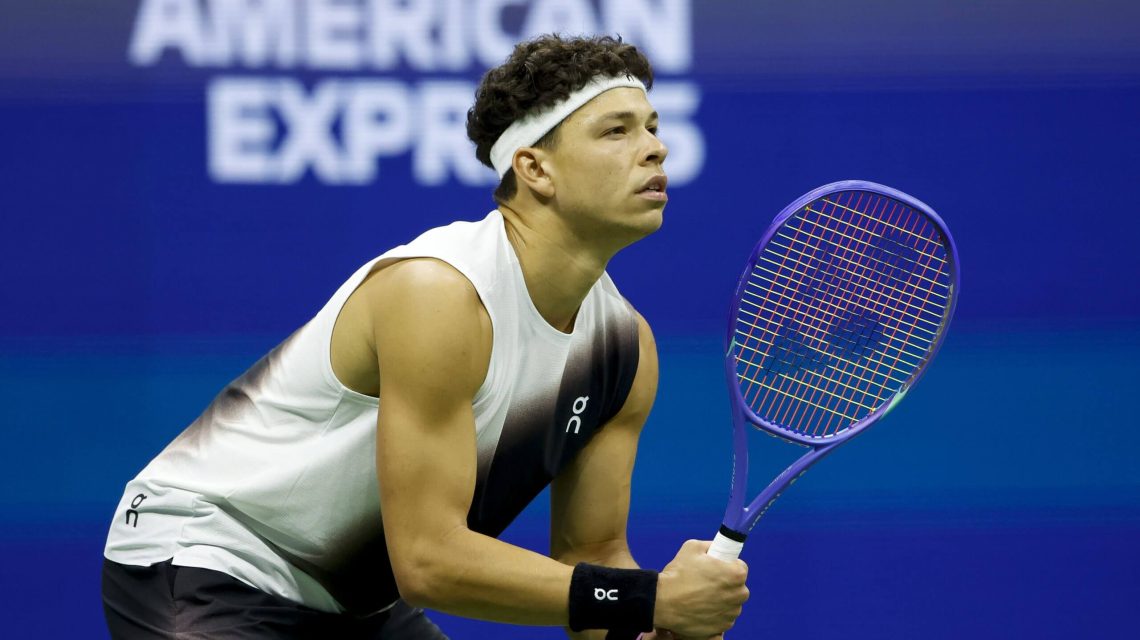
NEW YORK — Ben Shelton experienced a challenging moment during his first-round match at Wimbledon this year. He faced Otto Virtanen of Finland and led 8-5 in the fifth-set tiebreak. As he glanced at the scoreboard, an exasperating thought entered his mind.
Shelton had let a two-sets-to-one advantage slip away. Had they played a regular seven-point tiebreak instead of a 10-point one common in deciding sets, he would have claimed victory. Ranked No. 4 at the All England Club, he hadn’t faced a first-round exit at a Grand Slam in three years.
Yet, despite realizing he should have already won, Shelton only managed one more point, losing the tiebreak 11-9. This moment of shock was vivid in his mind, and he expressed in an interview how unexpected it felt, considering his performance at other first-round Grand Slam matches in recent years.
Once the shock dissipated, Shelton analyzed the match and identified critical areas. Mental lapses, ineffective returns, and poor point construction on break opportunities emerged as significant issues. These factors contributed to his inconsistent year, marked by four title wins but early exits at major tournaments.
“I think I’m still a raw talent,” Shelton admitted. “I don’t feel I’m as refined as the top 10 players, but I have tools progressing.”
His father, Bryan Shelton, a former ATP Tour player and Ben’s coach, influences him. Under his guidance, Shelton maintains a long-term perspective on his career. The loss to Virtanen underscored that raw talent alone wouldn’t secure championships.
Shelton advanced to his first Grand Slam final by triumphing over Carlos Alcaraz in the quarterfinals and Frances Tiafoe in the semifinals. His journey includes familiar challenges, like those seen in his third-round win over Denis Shapovalov at the U.S. Open. Although inconsistent, Shelton showed resilience, pushing into the last 16 for the first time since 2023.
The Wimbledon loss followed a French Open second-round exit. Improving at the U.S. Open offered Shelton a sense of progress, particularly against seasoned competitors like Tallon Griekspoor and Hubert Hurkacz.
Reflecting on early tournament challenges, Shelton expressed satisfaction with his diverse experiences: “I’ve dealt with different styles… I feel well-prepared for what’s ahead.”
Shelton recognizes his returning skills as pivotal for elevating his game. Before New York, he struggled, achieving limited success in significant tournaments. Yet, smaller tournaments showcased his capabilities, eventually shaping his strategies for larger events.
The defeat by Virtanen prompted a reevaluation. Shelton identified mental barriers and recognized his underestimation of early-round opponents. Additionally, he focused on improving his game, particularly in constructing points during break point opportunities.
“It’s weird, but that match helped me a lot,” Shelton reflected. “I’m in a better mental space now. I feel confident, and my play reflects that.”
His performance at the ATP Masters 1000 Canadian Open in Montreal indicated progress. He defended his title without losing a set, benefiting from slow hard courts that complemented his serve and forehand strengths.
While he exited early from the Cincinnati Open, the U.S. Open presented greater challenges. Opponents like Alcaraz, known for resilience under pressure, demanded Shelton’s best.
That Wimbledon defeat might have marked a turning point for Shelton’s 2026 season. As he enters the U.S. Open final, he anticipates it could be a pivotal moment in his career.
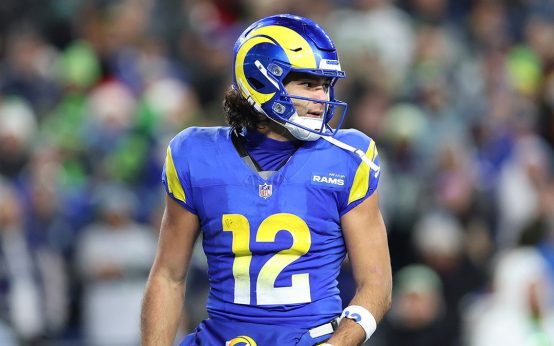 Lane Kiffin’s Emotions and Rams’ Strategic Adjustments
 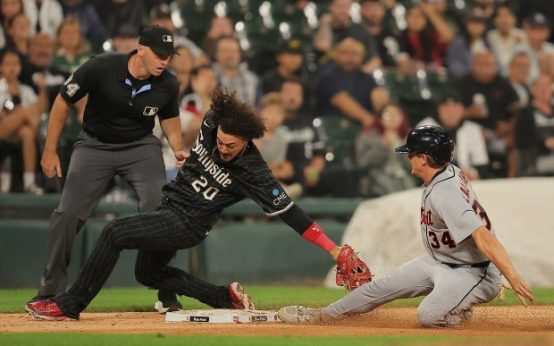 Chicago White Sox Face Crucial Stretch at Season’s End
  Philadelphia Eagles Triumph Over Tennessee Titans, Concerns Arise for Offensive Performance
 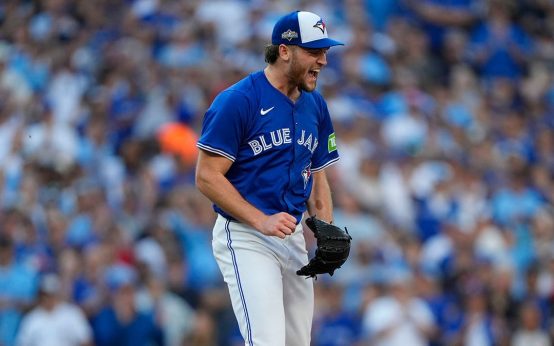 Final Week Tensions Rise for Blue Jays and Orioles in Baseball Season
 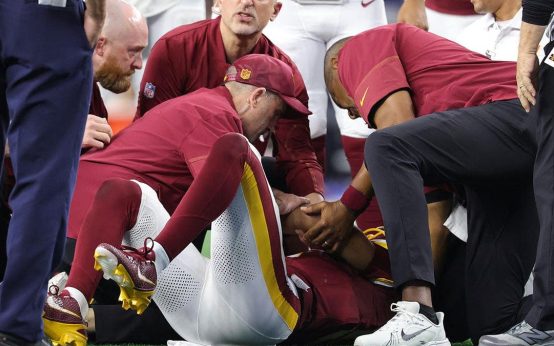 Washington Commanders Face Uncertainty with Daniels’ Injury
 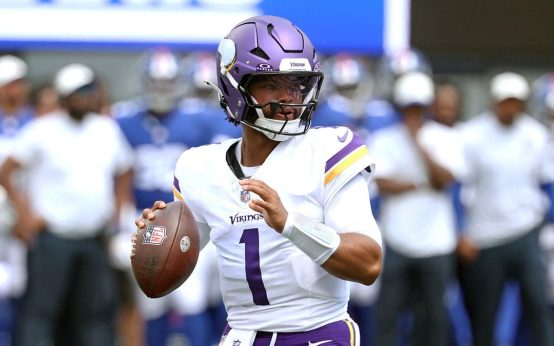 Kyler Murray Returns as Starting Quarterback for the Minnesota Vikings