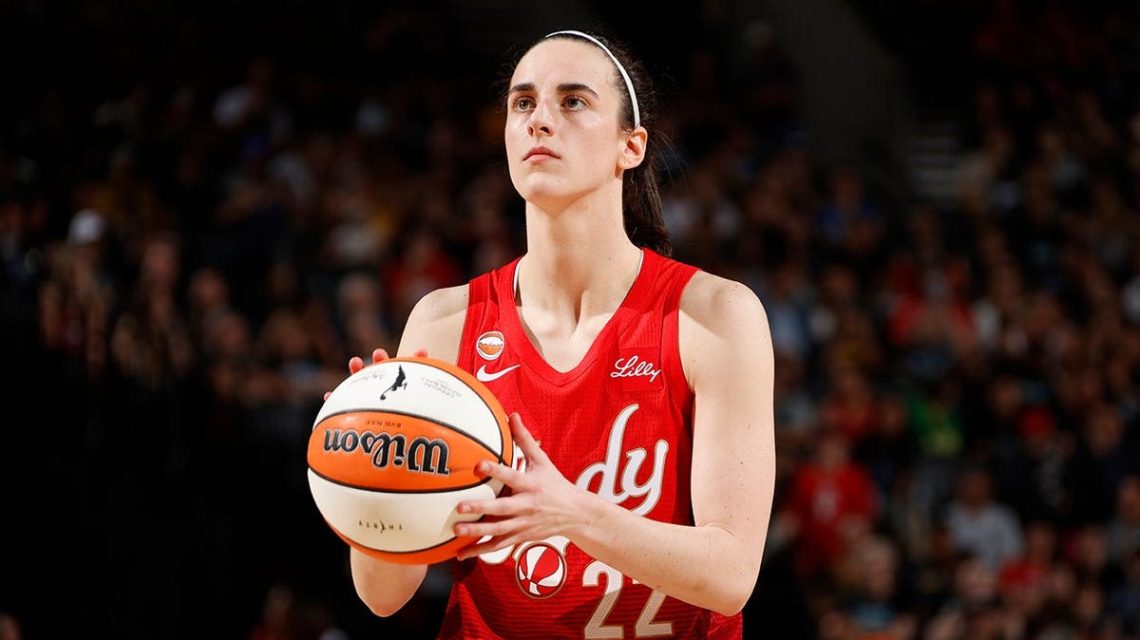
Caitlin Clark’s Careful Approach
Following a recent Indiana Fever defeat to the Minnesota Lynx, Caitlin Clark addressed the ongoing debate about biological males competing in women’s sports without revealing her stance. After teammate Sophie Cunningham expressed her views against biological males in women’s sports, the issue gained attention.
Caitlin Clark avoided taking sides, opting for a diplomatic response.
Clark noted that such discussions weren’t a part of the Fever’s locker room conversations. She advised leagues and governing bodies to find solutions with athletes. Her focus, according to her, was on basketball and improving the team’s performance.
Despite further probing by a reporter, Clark maintained her neutral stance, indicating that her previous answer was sufficient.
Controversy Surrounding Women’s Sports
Cunningham’s comments sparked a widespread debate. She argued that female athletes deserve protection in competitions and locker rooms. This controversy shadowed the team’s recent road trip, with both supporters and critics appearing at games.
Indiana Fever kept Clark from public appearances following two games, opting to send other players and the head coach to press conferences. Clark later achieved a triple-double performance yet did not address reporters afterward.
The team faced criticism for abrupt conference conclusions when controversial questions arose.
Clark’s Strategic Neutrality
When Clark finally appeared at the podium alongside her team’s members, her response was measured and seemed carefully crafted. It suggested that the Fever anticipated the necessity for Clark to address the issue eventually.
Choosing neutrality was strategic for Clark, who aims to maintain a broad fan base and significant sponsorships beyond the WNBA. Taking a definitive stance might alienate portions of her audience and sponsors.
Transgender activists might argue that Clark missed an opportunity to promote inclusion, while groups advocating for exclusive female sports categories could claim she neglected their perspective. Her decision to stay neutral reflects her right to choose.
In a league that has historically encouraged players and coaches to express social and political views, Clark’s decision to stay apolitical diverges from expectations.
 Final Week Tensions Rise for Blue Jays and Orioles in Baseball Season
 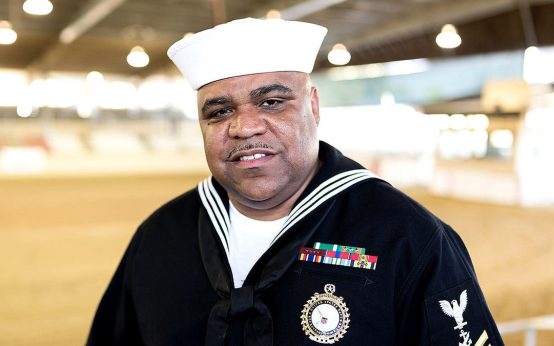 Navy Veteran Generald Wilson Reflects on Emotional National Anthem Performance
 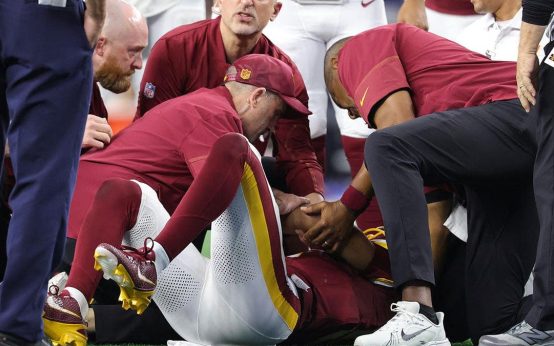 Washington Commanders Face Uncertainty with Daniels’ Injury
 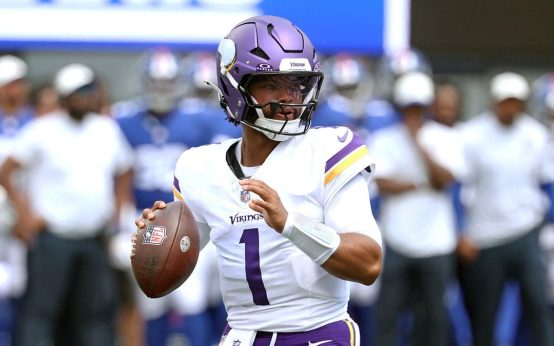 Kyler Murray Returns as Starting Quarterback for the Minnesota Vikings
 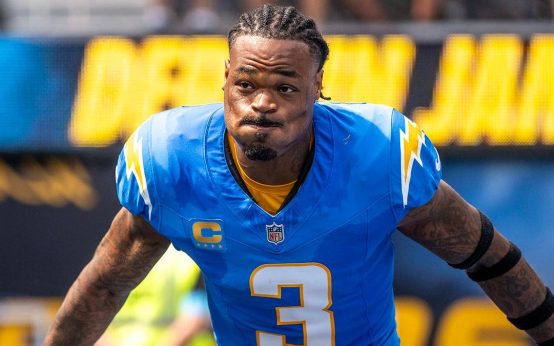 Challenges Facing the Los Angeles Chargers
 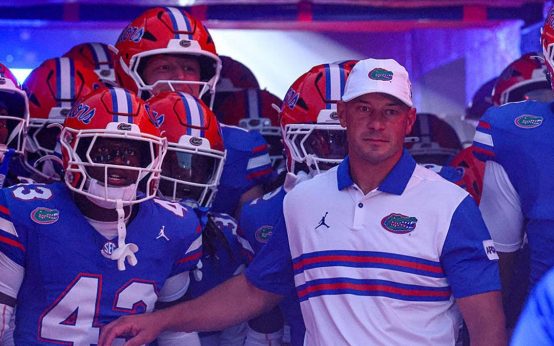 Is Lane Kiffin Overhyped?