
The Save America Act has sparked debate concerning federal involvement in managing elections. The act, while aiming to bolster election security, has raised questions about states’ autonomy in conducting their own electoral processes.
Federal vs. State Control
The central issue revolves around whether federal oversight could infringe upon states’ rights to administer elections independently. Historically, American states have maintained significant control over their election systems. Some argue that increased federal oversight could undermine this fundamental principle.
Identification Requirements
A notable aspect of the Save America Act is the proposal for mandatory voter identification. Proponents suggest this will enhance security and prevent fraud. Critics, however, argue it could disenfranchise certain voter groups lacking easy access to identification.
State-Level Innovations
States have historically crafted diverse approaches to managing elections, from mail-in voting in some regions to strict in-person voting in others. These localized solutions cater to the unique needs and demographics of each state, reflecting a core advantage of decentralization.
Conclusion
The Save America Act’s objectives highlight the delicate balance between securing elections and respecting states’ individual governance. Whether this act will yield a positive outcome remains a subject of extensive debate among lawmakers and citizens alike.
 Trump Administration Seeks to Influence NIH Grantmaking
 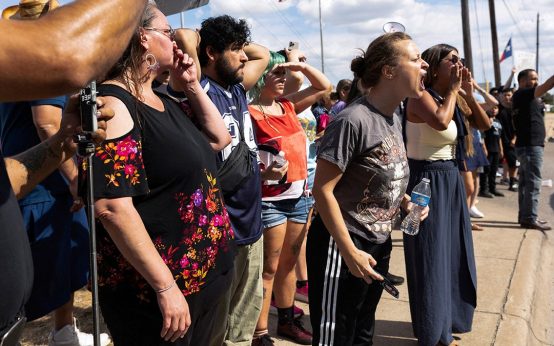 Protests in Austin: Analyzing the Coordination Behind Anti-ICE Demonstrations
 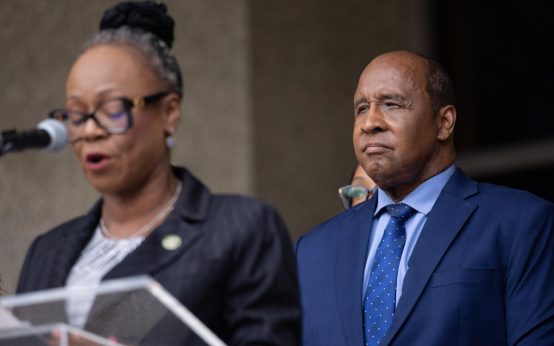 Controversy Surrounds Inglewood Mayor Amid Allegations
 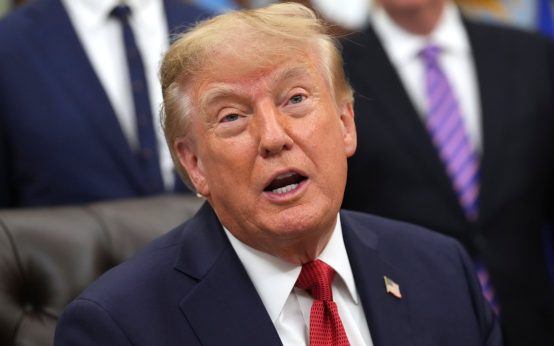 White House Launches Trump TV Amidst Press Dispute
  Media Organizations Sue Trump Administration Over Press Access
  VP JD Vance Trails Potential Democratic Contenders in Early Polling for 2028 Election