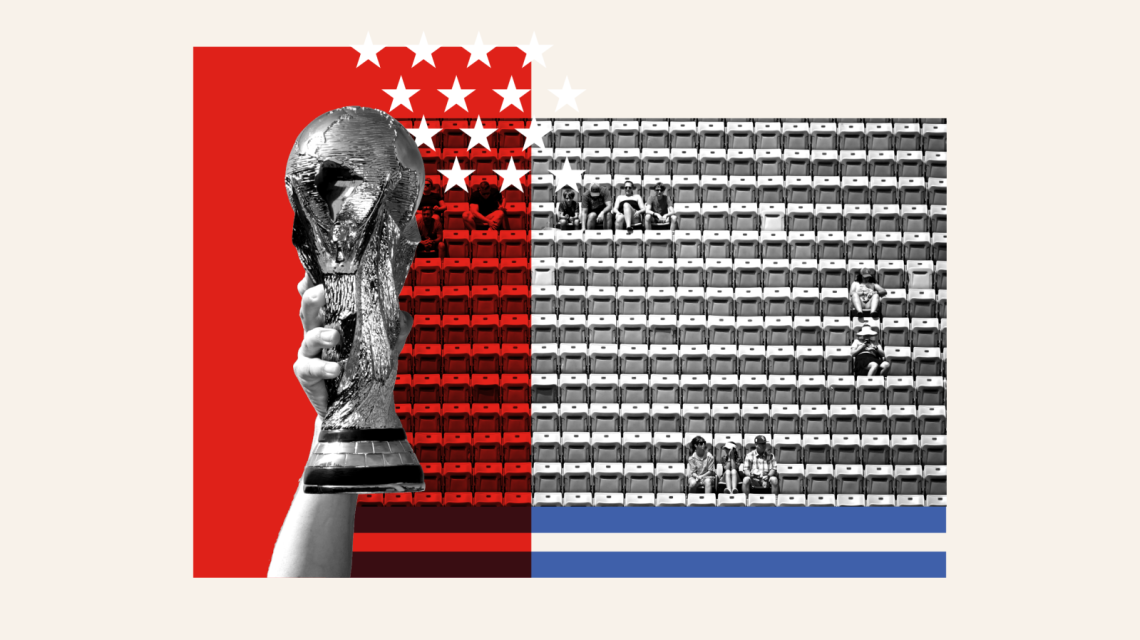
The organizers of the 2026 FIFA World Cup are confronting lower than expected demand, sparking worries about games not being fully attended. This issue of empty stadiums is not new, as previous tournaments have faced similar challenges. FIFA, the global governing body of soccer, asserts that ticket sales are strong and justify the current pricing, even though there are pending lawsuits and investigations by host-city officials regarding high costs. Surveys of host city hotels show booking rates are below forecasts, suggesting that high costs deter some fans.
According to TicketData.com, around 25,000 seats were available through FIFA’s main ticketing platform. This number fluctuated significantly as FIFA released several last-minute ticket batches. Data shared with Newsweek showed around 17,000 tickets were available through FIFA’s resale platform specifically for host nation matches.
Previous World Cup Attendance Issues
South Africa 2010: Overall attendance was commendable, with nearly 3.2 million attendees ranking it third in World Cup history at the time. However, several group-stage matches had numerous empty seats, leading FIFA to investigate transportation issues that prevented fans from attending. Corporate and government ticket holders and overseas fans were blamed for not occupying purchased seats.
Brazil 2014: Despite Brazil’s strong soccer tradition, reports of underfilled arenas emerged. Local fans were priced out, and FIFA failed to redirect tickets returned by sponsors. FIFA attributed the uncollected tickets to people not using the resale platform.
Russia 2018: Empty seats became evident during the Uruguay vs. Egypt match. Blocks of Ekaterinburg Arena were visibly unfilled, with FIFA confirming 5,000 empty seats due to ‘no shows’ on match day.
Qatar 2022: Despite selling out on FIFA’s official platform, empty seats were visible throughout the tournament, including the final match. Experts suggested that incorrect stadium capacity estimates might have been published.
Current Ticket Sales
FIFA claimed strong ticket sales for the 2026 tournament, with high interest for all matches. Over 5 million tickets were sold, and more will be available on a first-come, first-served basis through FIFA’s official site till the tournament ends. Most tickets are on the resale market, either on FIFA’s terminal or sites like StubHub and SeatGeek. Before mid-May, prices on these platforms were dropping, indicating seller difficulties in attracting buyers. A Financial Times analysis showed nearly 180,000 tickets listed on the resale portal shortly before the tournament.
In late May, direct ticket availability from FIFA dropped by around 44,000, with no explanation given. This decrease was followed by an increase in the resale market listings, leading to speculation about FIFA shifting inventory to manipulate resale costs. Although the data suggested a bulk transfer from FIFA’s system to resale platforms, it doesn’t confirm FIFA’s intent to actively influence demand or pricing.
 Deion Sanders Enforces Discipline After Colorado’s Defeat to Northwestern
  Steve Lotysz: From Medinah’s Gates to Presidents Cup Artistry
  Calls Grow for Ireland’s Soccer Team to Boycott Matches Against Israel
  Is NHL Preseason Necessary?
  Impact of World Baseball Classic on Paul Skenes’ Performance
  Ronald Acuna Jr. Suffers Injury During Game Against Cincinnati Reds