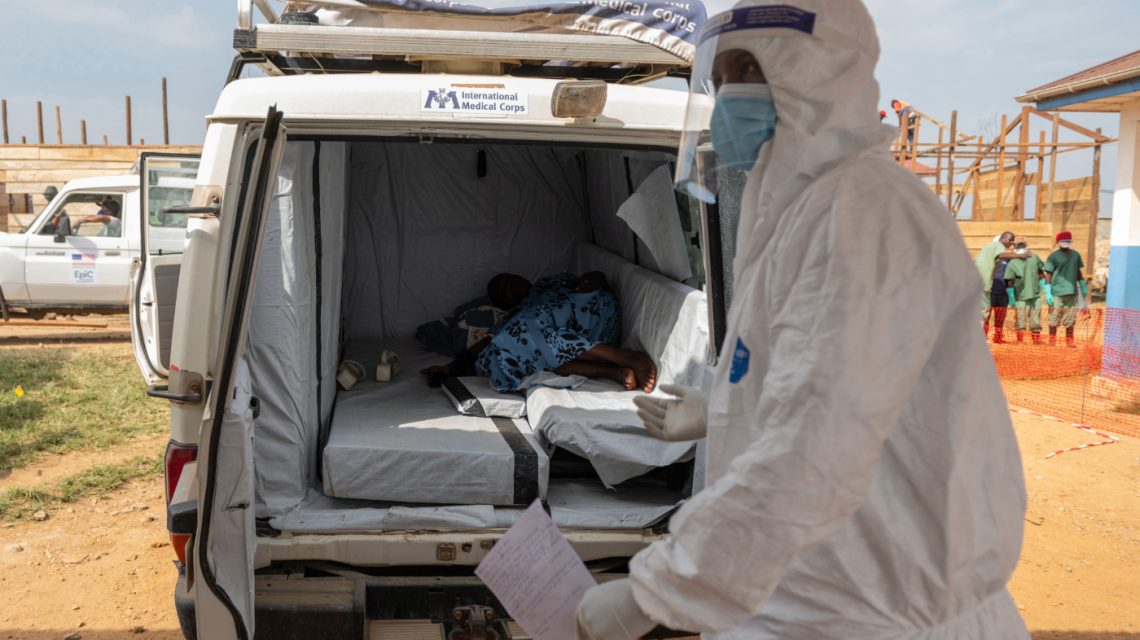
The rapid spread of Ebola in the Democratic Republic of the Congo and Uganda now poses a threat to South Sudan. As these nations strive to contain the outbreak, a critical issue emerges: the U.S. no longer leads global efforts in tackling public health emergencies. Ebola, a deadly infectious disease, has claimed more than 11,000 lives during a previous outbreak in Africa. The United States, once pivotal in combating the disease, now lacks the commitment it demonstrated in the past.
Impact of U.S. Public Health Policy Changes
The Trump administration’s reduction of experienced personnel and resources in public health agencies has weakened America’s capacity to respond effectively. This situation worsened with the U.S. withdrawal from the World Health Organization, hindering the country’s ability to gather and share crucial data with global partners.
Current U.S. Approach to the Ebola Crisis
Confusion dominates the American response to the crisis. The State Department’s leadership in this situation remains unclear. The U.S. has pledged millions in aid, but specifics on the allocation of funds are missing. Furthermore, with the dismantling of the U.S. Agency for International Development, questions arise about the management of supplies and personnel.
The challenge of preparing for a potential international spread of the outbreak heightens these concerns. Communication with the public about response efforts is also inconsistent. The lack of experienced leaders at the Centers for Disease Control and Prevention, resulting from frequent leadership changes, exacerbates public uncertainty.
Interconnectedness in Disease Spread
Viruses transcend borders. Budget cuts to health agencies, sidelining experts, and halting data sharing elevate the risk of uncontrolled outbreaks. Overcrowded refugee camps in Sudan, with inadequate sanitation, may complicate efforts if the disease spreads.
Inconsistencies in U.S. Disease Prevention Policies
The Trump administration’s stance on disease prevention measures has been inconsistent. Officials who dismissed public health efforts during COVID-19 now advocate quarantine strategies to contain Ebola and hantavirus. Moreover, Secretary of State Marco Rubio’s statement about protection contradicts policies that prevent U.S. citizens exposed to Ebola from returning home. Instead of receiving advanced care in their own country, they face treatment in makeshift facilities abroad.
Loss of U.S. Commitment and Global Cooperation
Previously, the U.S. invested significantly in infectious disease readiness, collaborating with global partners and valuing expert opinions. These initiatives aimed to prevent and manage outbreaks worldwide. However, this commitment has waned, threatening public safety. Congressional action is crucial to holding the administration accountable and safeguarding public health.
Lyndon Haviland, DrPH, MPH, is a distinguished scholar at the CUNY School of Public Health and Health Policy.
 Potential Changes in Medicare Reimbursement for Lab Tests
  Understanding and Addressing the Complexity of Suicide
  Recall of Meat Products from Star Meat Delivery Inc.
  Questions Arise After Presley Gerber’s Death in Rehab
  Upcoming Concerns and Influence in Health Politics
  Fraud Task Force Saves Billions by Tackling Obamacare Misuse