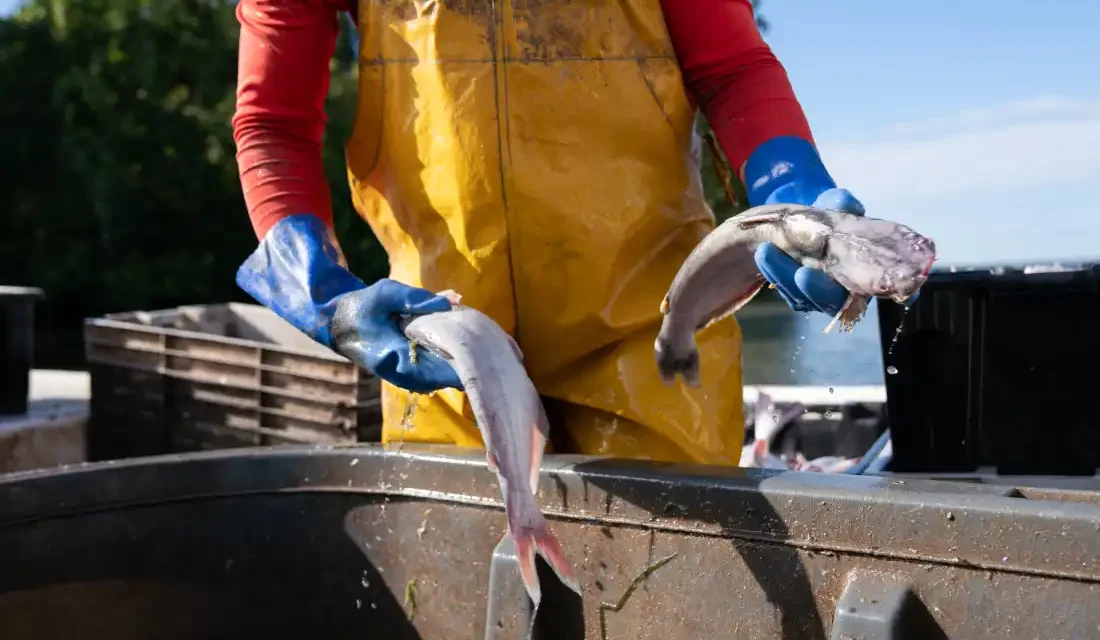
The Chesapeake Bay faces an issue with invasive blue catfish threatening native species, such as the blue crab. To address this, local schools are serving catfish meals, turning the problem into a learning opportunity for children.
It’s lunchtime at Preston Elementary School in Maryland. Among the offerings is a catfish sandwich. ‘I got a catfish sandwich!’ a second-grader joyfully states. The sandwich, known as the ‘catty patty,’ is enjoyed by many students, some with ketchup or mayo.
On a typical sunny Friday with pizza also on the menu, more kids are opting to try the catfish. Beth Brewster, who manages food services for Caroline County Public Schools, is pleased. The fish’s meat offers nutrition and is sourced sustainably from blue catfish.
Brewster and her team crafted a catfish cake resembling a crabcake. This initiative came at the request of state officials, aiming to utilize the blue catfish’s palatable meat, which often feeds on crabs and rockfish.
The effort was initially slow due to the pandemic but gained momentum after collaboration with Bay2Tray, a program linking schools with sustainable seafood. Now, other schools in Maryland and Virginia include the catfish on their menus.
Catfish Origins and Impact
Blue catfish, native to the Midwest, were introduced in Virginia rivers for recreational fishing in the 1970s. They adapted to Chesapeake Bay’s brackish waters, spreading widely in Maryland. At some locations, they comprise around 70% of fish biomass.
This invasive species reproduces rapidly, consuming young crabs and other fish, affecting Maryland’s seafood industry. With fewer blue crabs, an economic staple is at risk. The state’s solution is to leverage human consumption of the fish.
Fishermen Adapt to Blue Catfish
Maryland waterman Rocky Rice switched from crabbing to catfish catching. He averages around 1,000 pounds in each of his fishing trips. Though blue catfish doesn’t command high prices, it’s a steady source of income.
Because they’re invasive, there are no catch limits. ‘You can catch as many of them as you want,’ says Branson Williams from Maryland’s Department of Natural Resources.
Rice finds the fish suitable for various dishes, such as tacos, with a preference for deep-fried options.
Challenges and Opportunities
Rice sends his catch to processors, but hurdles exist. The USDA requires inspections for catfish, which can be costly and cumbersome. This limits processing to four facilities in Maryland.
Despite challenges, blue catfish makes its way to schools, food banks, and markets. Bay2Tray aids in promoting sustainable consumption, urging more people to eat this invasive fish to help manage the population.
‘Eat the problem and save the bay,’ encourages Jenn Lovewell from Real Good Fish.
The effort continues to bring awareness and reduce the blue catfish population, aligning with the broader goal of protecting Chesapeake Bay’s ecosystem.
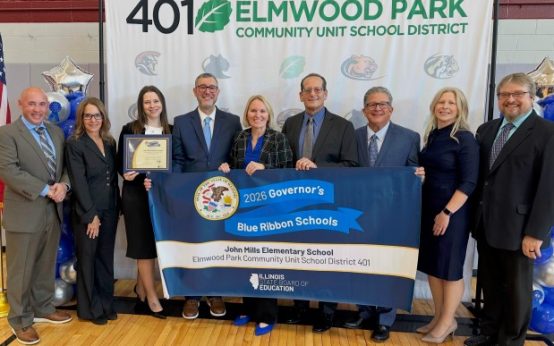 Elmwood Park’s John Mills Elementary Awarded Governor’s Blue Ribbon School
 Importance of Addressing Pollution in Virginia’s Waterways
 Industry Knew: Microplastics and Their Journey in the Human Body
 Judge Rules West Point’s Faculty Speech Limits Unconstitutional
 Cornell University in Turmoil Amid Campus Rape Allegations
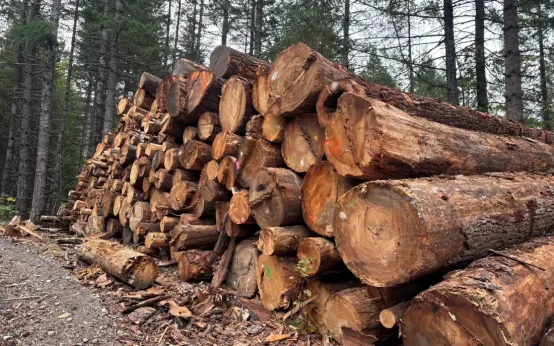 Challenges Facing Timber Industry Amid Policy Changes