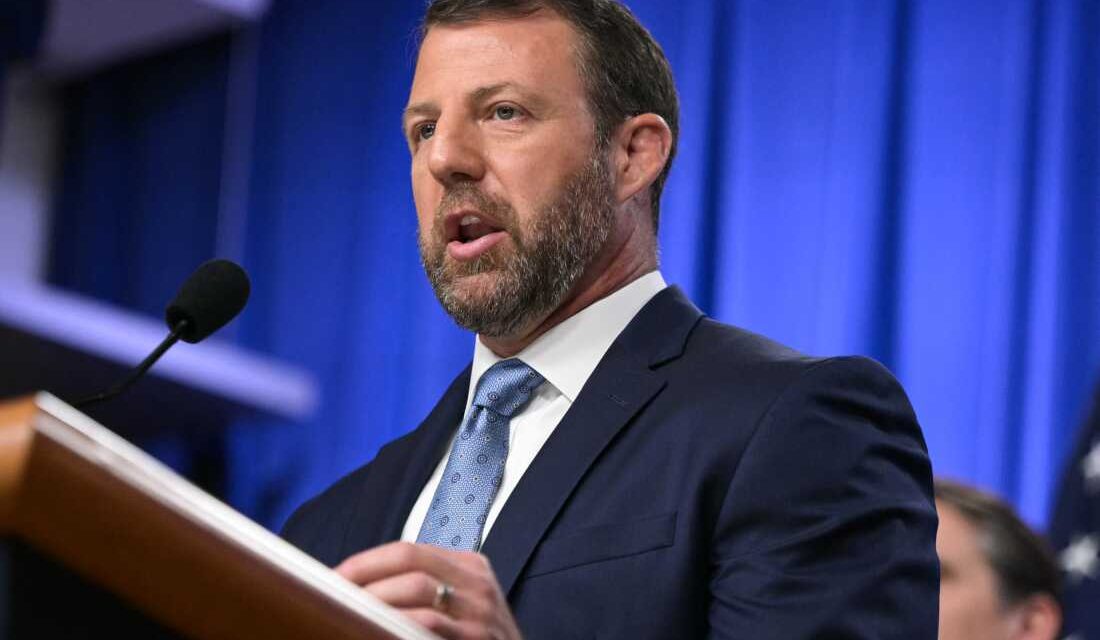
In recent developments, the election integrity landscape faces challenges, with concerns mounting over the Department of Homeland Security’s (DHS) involvement under Markwayne Mullin’s leadership. Mullin, once a U.S. senator and now head of the DHS, remains a controversial figure. His past actions, particularly about the 2020 election, have fueled apprehension about the agency’s role in upcoming elections.
Gary Berntsen, a former CIA operative, continues to propagate theories about the 2020 U.S. election being stolen, a notion debunked and challenged multiple times. Noteworthy is Fox News’ $787 million settlement with Dominion Voting Systems in 2023. Despite these debunkings, Berntsen believes he found support in Oklahoma’s Mullin, who arranged meetings to discuss these theories with former President Trump’s team.
Mullin’s steadfast denial of the 2020 election results, despite widespread evidence to the contrary, causes concern among voting officials. They worry that the DHS, under his watch, might aim to disrupt rather than safeguard elections. Based on his statements, there is fear that key election security insights shared with the federal government could be compromised.
I’m actively discouraging it,” said Matt Crane, a former Republican county clerk who now leads Colorado’s local election officials group. “I don’t trust how the administration is using that data.
Similarly, Paul Lux, a Republican election supervisor, indicates a lack of communication from DHS’s Cybersecurity and Infrastructure Security Agency (CISA). He reports that local officials receive little engagement from the agency, leaving many in the dark about available cybersecurity services.
Challenges and Changes in Federal Election Security
The federal election security approach has changed significantly. The Trump administration has been aggressive, engaging in court battles with states to access voter data and election systems. Although the administration claims to enhance security, there have been attempts to gain control over voting locations, even considered illegal under federal law.
Tom Homan, a White House border official, references immigration enforcement at voting sites, stirring further legal and ethical questions. Mullin asserts that federal agents would only be present at polls if genuine threats emerge.
At present, Mullin heads a weakened department, having seen numerous qualified personnel in election security either resign or be dismissed. The CISA, a Trump-era creation, remains leaderless, further hindering federal support for state election security efforts.
Efforts to Fortify Election Security
The Elections Infrastructure Information Sharing and Analysis Center (EI-ISAC) bears the brunt of these federal departures. Previously funded by federal resources, the organization now relies on county and state memberships. This has led to diminished membership and challenges in communicating with election jurisdictions nationwide.
Despite reduced resources, the EI-ISAC still offers crucial cybersecurity support, preparing to launch a virtual situation room for election day. Previously, the CISA provided this service. Although these efforts continue, the absence of federal collaboration is evident.
The landscape remains fragmented. For local election officials like Lux, rebuilding trust with federal agencies will depend significantly on future commitments to election integrity and security.
Overall, moving forward, DHS under Mullin’s direction must work diligently to reestablish trust among state and local election bodies, ensuring transparency and security.
 Carville Responds to Progressive Criticisms Amid Democratic Party Tensions
  Republican Candidates Present Their Platforms in South Carolina Senate Race
  Conservative Movement’s Focus on Shaping Future Court Views on Birthright Citizenship
  Contempt of Congress: The Case of Dr. Anthony Fauci
  Trump’s Battle Over White House Ballroom: Legal Experts Weigh In
  Senate Approves Temporary Funding Bill Amidst Policy Disagreements