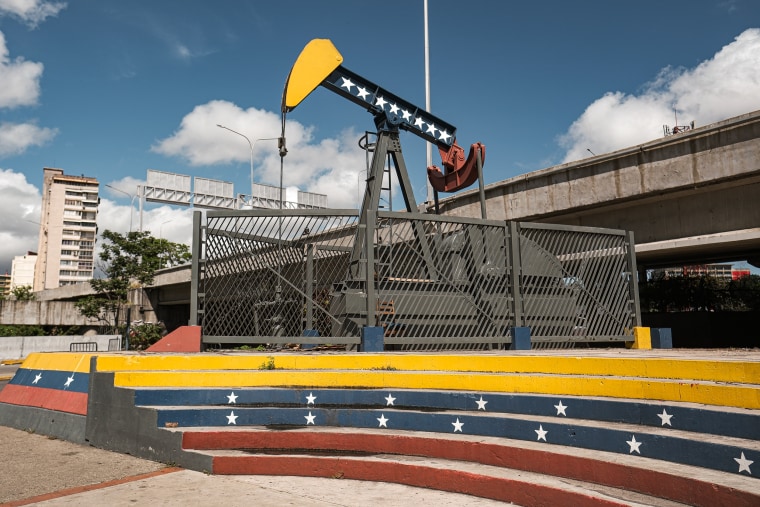
Oil giant Chevron is set to expand its operations in Venezuela following an agreement announced by President Donald Trump to develop the nation’s oil reserves. This deal involves a share of profits for the Pentagon. Chevron remains the only U.S. oil company with a substantial presence in Venezuela.
The company confirmed additional acreage assignments in the Orinoco Belt, where it already conducts operations. Over the next five years, Chevron plans a $7 billion investment aimed at increasing production to approximately 600,000 barrels per day.
“Chevron’s history in Venezuela spans more than a century, and our expanded position reflects our confidence in the country’s deep resource potential,” said Chevron CEO Mike Wirth.
Venezuela boasts the world’s largest proven oil reserves, with more than 303 billion barrels, as per OPEC’s 2025 report. However, due to neglected energy infrastructure and international sanctions, its production hovers just over 1 million barrels a day. In contrast, Saudi Arabia and the U.S. produce between 10 to 14 million barrels daily.
Recent Developments in the U.S.-Venezuela Agreement
Chevron’s move comes after a ceremony in Caracas where U.S. Energy Secretary Chris Wright and other energy companies, such as Italy’s Eni, signed deals with Venezuela’s government.
“President Trump’s mission in Venezuela is straightforward: to provide peace, freedom, opportunity, and prosperity to the Venezuelan people,” Wright said.
This partnership extends to North American Blue Energy Partners (NABEP), as Trump aims to utilize Venezuela’s oil sector. Nonetheless, energy experts caution that reviving Venezuela’s oil industry, which has suffered severe neglect, will take years.
There is also debate over whether Venezuelan acting president Delcy Rodríguez possesses the authority to grant NABEP 100-year rights over 17 oil fields with substantial reserves. Concerns exist about potential reversals by future administrations.
Concerns Over Legitimacy
The agreement has stirred controversy. Critic Ian Vásquez from the Cato Institute pointed out that the deal didn’t receive National Assembly approval, compromising its legitimacy.
“The deal lacks credibility as it was made with a regime accused of power retention through violence,” Vásquez stated.
U.S. officials responded, describing the deal as beneficial for both countries by enhancing resource extraction and improving energy supply.
Challenges and U.S. Oil Companies’ Involvement
Trump has shown interest in Venezuela’s oil potential since the arrest of former president Nicolás Maduro. He indicated other U.S. oil companies might enter Venezuela, yet only Chevron has confirmed involvement.
Exxon Mobil’s CEO labeled Venezuela as “uninvestable,” highlighting the lingering hesitance among U.S. oil majors due to past nationalizations and asset seizures by Venezuela.
The new agreement promises to lower U.S. gasoline prices. However, experts warn of long-term restoration efforts needed for Venezuela’s oil infrastructure.
“Developing new facilities in the Orinoco region could take 2 to 4 years,” explained Amy Jaffe from New York University.
Meanwhile, gasoline prices in the U.S. have risen, with the national average reaching $4.12 per gallon, significantly higher than last year.
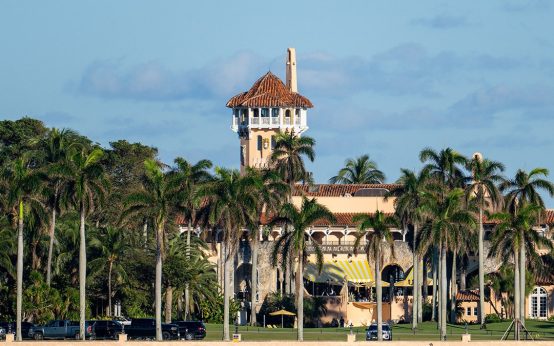 FAA Proposes Permanent Flight Rules Around Trump Airport
 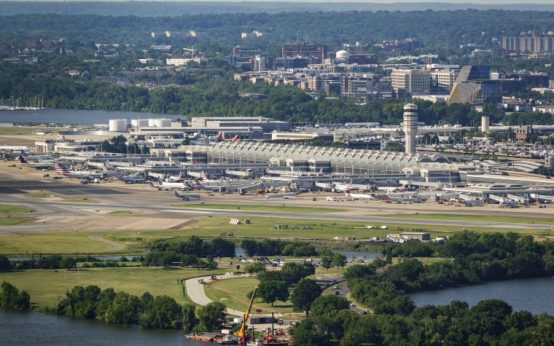 Emergency Landing of Homeland Security Plane Following Engine Failure
 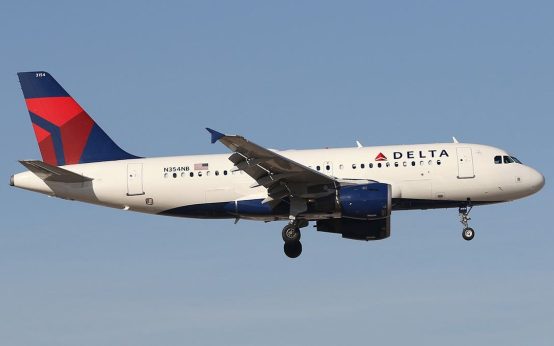 Delta Flight Makes Emergency Landing After Pilot Falls Ill
  Background of Tucson Shooting Suspect and Community Memorial
  Iran’s Retaliation Against U.S. Bases in Gulf Region
  Audit Reveals Major Losses in Uncollected Toll Revenue