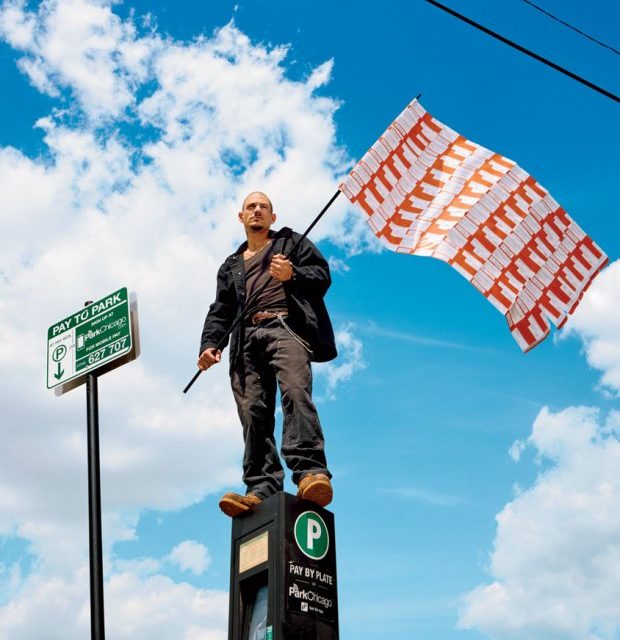
Adulthood often brings frustrations that accumulate over time. These include minor inconveniences such as potholes, air travel hassles, and even parking meters. In Chicago, street parking has become a significant burden due to a 2008 deal where the city sold 36,000 meters to investors for $1.16 billion. This decision has resulted in an ongoing revenue stream for the investors, nearly twice their initial investment, while Chicagoans face the consequences.
The Impact of the Meter Deal
Many residents, like Chester, have found ways to circumvent paying for parking. Chester, who works in downtown Chicago, decided to stop feeding the meters and focus on paying tickets, which are less frequent and primarily benefit the city’s revenue. He discovered that this method saved him money, tallying up to $1,500 over two years. While Chester isn’t entirely versed in city politics, he highlights the flawed management behind the parking deal.
Chicago’s parking meter arrangement epitomizes shady bureaucratic decisions and political ineptitude. The deal was rushed through the City Council with little review. Critics claim Chicago gave away a control structure for decades, allowing the leaseholder to be reimbursed if meters are temporarily inactive due to construction or other activities.
Financial Consequences and Misunderstandings
The financial underpinnings of the Chicago parking meter lease reveal stark contrasts between public perception and reality. While Chester’s workaround exposes flaws in enforcement, broader city-level impacts from a similar widespread noncompliance could prompt unwanted costs for taxpayers. Chicago’s mayor opted for privatization in times of dire budget stress, ultimately failing to grasp the long-term implications.
The deal allowed investors like Morgan Stanley and Allianz to leverage Chicago’s financial situation by predicting future revenue. Despite the city addressing budget deficits at the time, the contract’s repercussions persist. The lease continues to dictate payments, diminishing the city’s control over streetscape management.
Challenges in Reclaiming Control
Efforts to renegotiate or annul the deal face obstacles. Legal attempts using antitrust claims have faltered, highlighting Chicagoan lawyer Thomas Geoghegan’s struggles to combat unjust contractual restrictions. Parallel discussions about privatizing other city assets, such as Midway Airport, have met similar resistance due to tarnished perceptions. Alders debate strategies to amend existing parking contract conditions, yet confront the reality of limited leverage.
Ultimately, returning control to Chicago could involve extraordinary measures, such as legal bankruptcy provisions, though such changes might result in tremendous disruption. Municipally, officials could review opportunities for private collaboration when necessary to replace failing systems.
Conclusion
Chester’s street-wise approach uncovers gaps within banking on a privatized parking scheme, yet broad systemic responses require more disciplined urban planning. Caution against public contracts that compromise city assets might mitigate future fiscal shortcomings. Chicago’s enduring financial woes demand strategic innovation without repeating mistakes vested by political lapses.
 U.S. Military Reveals Drone Takedowns at Southern Border
  Analyzing Trump’s Claims on U.S. Weapon Stockpiles and Criticism of Predecessor
  Adam Telle Named Acting Army Secretary by President Trump
  Concerns Arise Over Safety in Girls’ Sports Amid Legal Battles
  Thursday’s Spotlight: College Football Returns and More
  Army Secretary Dan Driscoll Resigns Amid Pentagon Tensions