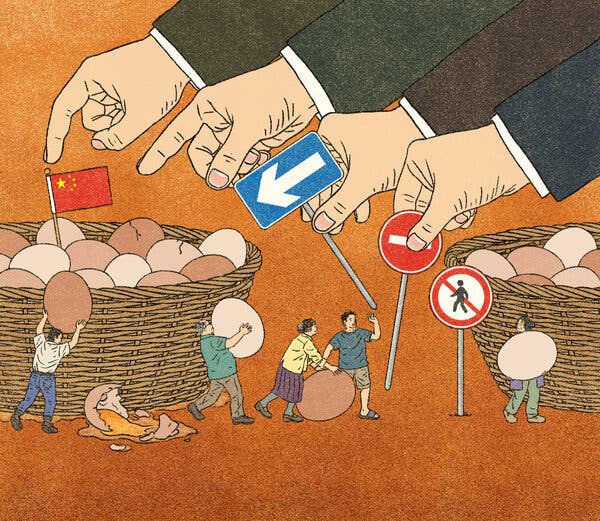
Historically, China created significant barriers between its citizens and the outside world. The Great Firewall limits information, and strict passport controls restrict movement. Yet, financial independence was an area where more leniency existed. A tacit understanding allowed citizens to accumulate and diversify wealth, despite political constraints.
This leniency is decreasing. Chinese individuals have been increasing investments in international securities, especially in U.S. stocks. Recently, Beijing has acted to close informal channels connecting Chinese households to global markets. It demanded several brokerages in Hong Kong and Singapore, which serve many mainland clients, to phase out these accounts over two years. New regulations on foreign investments now extend to individuals, threatening confiscation of vaguely defined ‘illegal gains.’
Hong Kong, traditionally a bridge for mainland investors to access international markets, sees tightened policies. Banks and brokerages have made account openings more stringent. Some have informed clients that while they can sell U.S. stocks, buying new ones is not allowed. Furthermore, the social media app RedNote announced efforts to suppress posts advising on setting up U.S. stock trading accounts.
China is actively mobilizing private wealth as part of its strategy for technological independence and national renewal. In a January address, Xi Jinping emphasized prioritizing national security over financial openness. He warned against risks from increasing global engagement and threats supposedly posed by geopolitical rivals.
Geopolitical tensions are limiting Chinese investor opportunities in other areas too. Recently, SpaceX excluded Chinese investors from its landmark initial public offering. As China heightens its financial barriers, there is a growing inclination among citizens to seek more profitable avenues for their savings abroad.