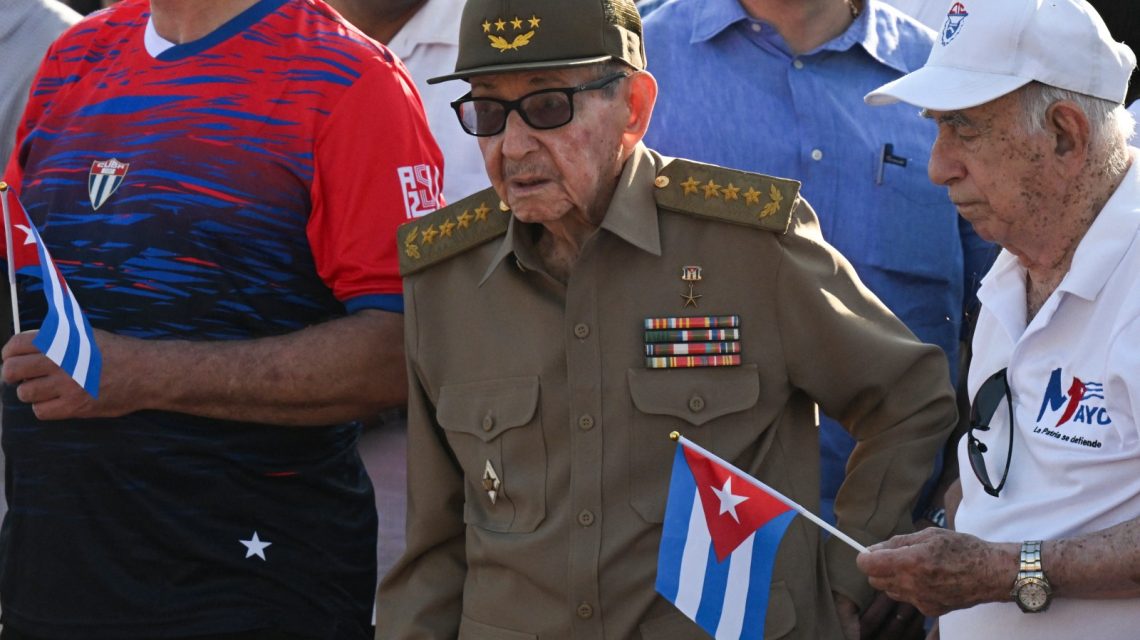
The U.S. has filed criminal charges against Raúl Castro, former Cuban President, tied to the 1996 shoot-down of two civilian aircraft that resulted in four deaths. This development comes after sustained pressure from the Trump administration on Havana. Although Castro, aged 94, holds significant influence in Cuba, the U.S. cannot arrest him locally due to jurisdictional limitations.
Justice Department officials allege that Castro, then the defense minister, ordered the attack on Brothers to the Rescue, a humanitarian group conducting rescue operations. The initial indictment was prepared in the 1990s, following the incident that strained U.S.-Cuba relations and led to Congress intensifying the embargo.
The indictment surfaces as the Trump administration heightens pressure on Cuba through economic restrictions and military threats. On Cuban Independence Day, Secretary of State Marco Rubio proposed a $100 million aid directly to Cubans.
Background of the Charges Against Raúl Castro
On February 24, 1996, Cuba’s MiG fighter jets shot down two small aircraft operated by Brothers to the Rescue during a humanitarian mission. The attack killed four people: three Americans and one Cuban American. Cuba defended the shootdown, citing repeated airspace violations by the planes.
Cuban authorities reported over 25 territorial breaches from 1994 to 1996 and claimed to have notified the U.S. State Department, FAA, and ICAO about these incidents. In contrast, the U.S. maintained the planes were on a lawful mission in international waters.
Cuba’s Perspective on the Incident
Cuba’s embassy challenged the indictment, asserting that the shootdown was provoked due to frequent airspace violations. Social media posts stressed Cuba’s exhaustion of diplomatic channels before the incident.
“Were diplomatic and institutional channels exhausted before tensions escalated in the airspace?” the embassy questioned. “Yes, rigorously and repeatedly. Each of the more than 25 violations was formally denounced in writing.”
Potential U.S. Military Action
President Trump expressed intolerance for hostile foreign activities close to the U.S. and hinted at possible military intervention to counter Cuba’s Communist government. Marco Rubio advocated for systemic change in Cuba.
U.S. suggestions include seizing Cuba after controlling Venezuela’s oil exports. The island faces acute crises: businesses and essential services are shutting down, and power outages plague the population.
Cuban Defense Preparations
Cuba warned of retaliatory measures against any U.S. military actions. President Miguel Diaz-Canel indicated readiness for conflict, with Cuba recently acquiring 300 attack drones from Russia and China.
Marco Rubio’s Message on Cuban Independence Day
Marco Rubio addressed Cuban citizens, promising $100 million in aid and advocating for change. He criticized Cuba’s mismanagement as the reason for the crises, rather than the U.S. embargo.
Rubio, pointing to state corporation GAESA, accused it of systemic corruption.
Economic Challenges and Military Threats
Electricity shortages deeply affect Cuba, with daily power available for only two hours in some areas. Economic distress compounds as the Trump administration’s policies disrupt fuel supplies.
Cuba’s preparation hints at potential military conflicts, setting the stage for severe responses should the U.S. move towards intervention.
Impact of Power Outages on Cuban Life
Residents face continuous power failures; protests have emerged against prolonged blackouts. Wealthier families counter issues with solar installations, yet most endure challenging conditions.
Rising temperatures worsen the situation, amplifying hardships as air conditioners remain useless.
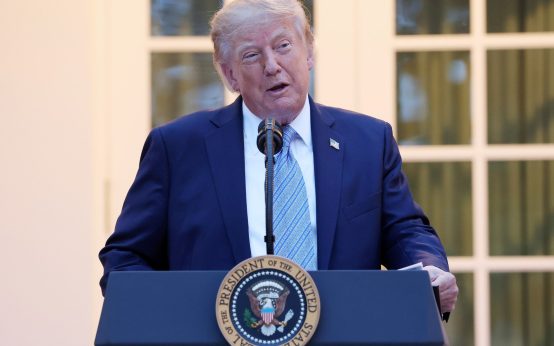 House Races Shift Amid Democratic Momentum
 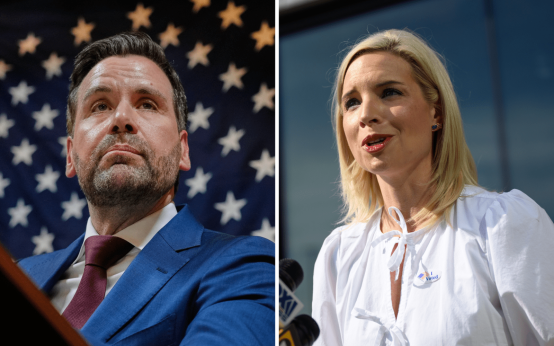 Iowa Senate Race: Marist Poll Shows Democrat Josh Turek Leading Republican Ashley Hinson
 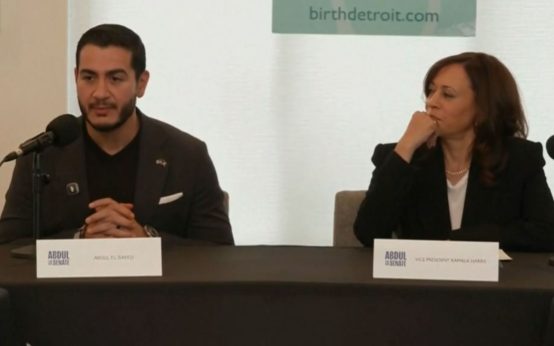 Kamala Harris and Abdul El-Sayed Campaign Together in Detroit
 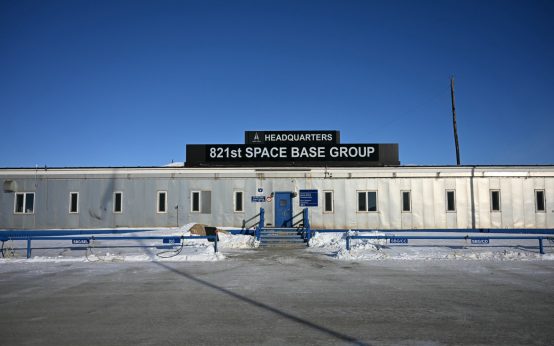 New U.S. Military Bases Planned in Greenland Amid Strategic Security Deal
  Challenges Facing the Supreme Court’s Public Perception
  California Democratic Aide Arrested for Visa Overstay by Federal Authorities