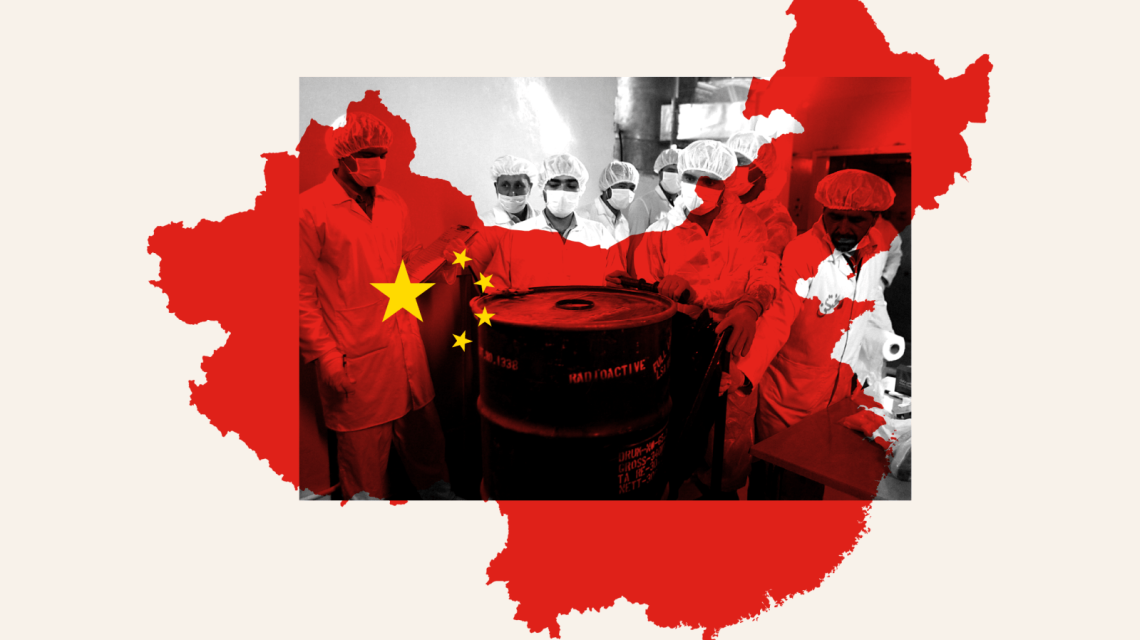
U.S.-Iran Tensions Over Nuclear Material
The ongoing conflict in the Persian Gulf, exacerbated by Israeli strikes in Lebanon, has strained U.S.-Iran relations. A critical issue in negotiations involves the fate of Iran’s nuclear material. President Donald Trump insists on the removal or destruction of Iran’s highly enriched uranium, which he frequently labels as “nuclear dust.” Iran, as part of the Nuclear Nonproliferation Treaty, defends its right to enrich uranium for peaceful purposes but shows some openness to halting nuclear activities temporarily.
China as a Potential Mediator
President Trump has identified the United States and China as the only nations capable of managing Iran’s uranium. Although initially hesitant, Trump recognized China’s strong ties with Tehran, hinting at a potential mediation role for Beijing. Joseph Rodgers from the Center for Strategic and International Studies highlights this possibility, noting it could enhance China’s diplomatic stature if successful.
However, skepticism remains. While China could serve as a mediator, its involvement would reshape the geopolitical landscape, potentially positioning Beijing as a leader in nuclear nonproliferation, thereby reducing U.S. influence.
Global Ramifications and China’s Interests
The U.S.-Israeli conflict with Iran has global impacts, affecting oil trade through the Strait of Hormuz and escalating energy prices. China, a major consumer of Iranian energy, has consistently advocated for a peaceful resolution. Chinese Ambassador Xie Feng reiterated China’s commitment to peace efforts, reflecting the country’s strategic interests in stabilizing the region.
China’s broader diplomatic engagement in the Middle East, such as facilitating an Iran-Saudi reconciliation, further demonstrates its growing geopolitical ambitions. A more active role in the Iran nuclear issue aligns with its aims to expand its influence while carefully navigating complex international dynamics.
Challenges and Opportunities for China
Though China might consider handling Iran’s nuclear material, either by storing or processing it, such involvement represents strategic risks. Iran’s traditional wariness of foreign power involvement contrasts with its recent defense partnerships with China, which could complicate Beijing’s cautious diplomatic approach.
The key question is whether cooperation with Iran on nuclear issues might imply a security commitment from China. Such implications could pose strategic dilemmas, challenging China’s historical reluctance to assume significant geopolitical burdens.
 Marco Rubio Criticizes NATO’s Role Amid Middle East Conflict
  Israeli Prime Minister’s Visit to the U.N. Amid Controversy
  U.S. Secures Strategic Arctic Agreement
  Trump Administration’s Plan to Resettle Afrikaners as Refugees
  Trump’s Vision on Iran, AI, and Global Security at the UN
  Lithuanian Leader Seeks U.S. Military Commitment Amid Rising Russian Threats