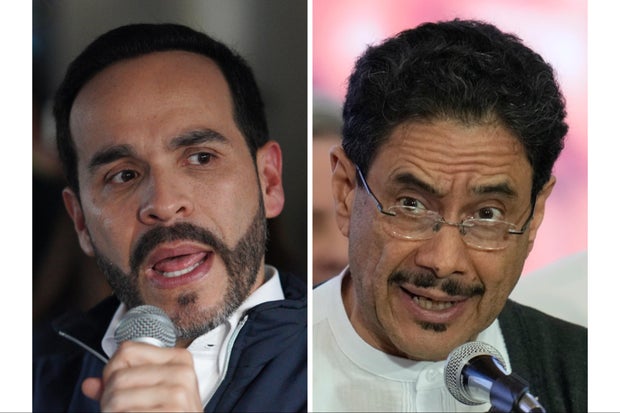
The upcoming presidential runoff in Colombia has heightened tensions among the electorate. This election sees a progressive candidate facing a conservative outsider, each offering contrasting visions for the country’s future. Concerns are growing about potential renewed internal conflict as both candidates represent starkly different positions.
John Manrique, a lawyer from Bogota, expressed his worries about the current polarization. He emphasized the presence of two extreme factions and the consequential threat of violence. “What I hope is that people accept who won,” he stated, urging against post-election conflicts.
With over 41 million Colombians eligible to vote, they face a choice between Iván Cepeda, a far-left senator, and Abelardo de la Espriella, a far-right lawyer. Cepeda, tied to the ruling Pacto Histórico party, follows the policies of President Gustavo Petro. In contrast, De la Espriella aligns with the rhetoric of figures like President Trump and El Salvador’s Nayib Bukele. Their runoff follows a competitive first round where Cepeda and Espriella emerged as the leaders among ten candidates.
Reflecting on past violence, both candidates propose strategies to prevent a return to such turbulent times, marked by car bombs and kidnappings. De la Espriella offers a tough approach, gaining Trump’s endorsement. Petro sees this endorsement as interference, suggesting it reflects a shift in U.S. priorities away from anti-drug missions. He cautioned that political violence could escalate under right-wing governance.
Cepeda’s platform includes fostering dialogue with illegal armed groups, continuing Petro’s dialogues despite their limited success. His focus extends to addressing challenges in health care, debt, and corruption.
In the first round, Cepeda secured 41% of votes against Espriella’s 44%, raising doubts from Petro who questioned the outcome given Cepeda’s strong polling lead.
“The results of Colombia’s election are crucial for its future relations with the U.S.,” Petro noted in his endorsement of Espriella.
The election arrives a decade after Colombia’s peace deal with FARC, yet violence remains prevalent as rebel groups veer towards drug trafficking. In 2025, Colombia saw the highest homicide rate since 2015, driven by illegal group clashes. The death of conservative candidate Miguel Uribe underscored the tension.
De la Espriella, known as “The Tiger,” promises aggressive actions against crime, proposing 10 mega-prisons similar to policies in El Salvador that reduced homicides amidst human rights abuse concerns. Meanwhile, Cepeda’s “total peace” strategy envisions negotiating with guerrillas and gangs, taking steps towards civilian reintegration.
Retired teacher Yamile Guevara advocates for patience with Petro’s plans, citing historical distrust towards the left due to its association with rebel groups. She questions voter memory regarding the past impacts of the left’s harsh rule.
The campaign period has been marred by mutual accusations between candidates, with charges of fraud and intimidation surfacing. Cepeda lodged a formal complaint against Espriella for alleged paramilitary connections, which Espriella denies.
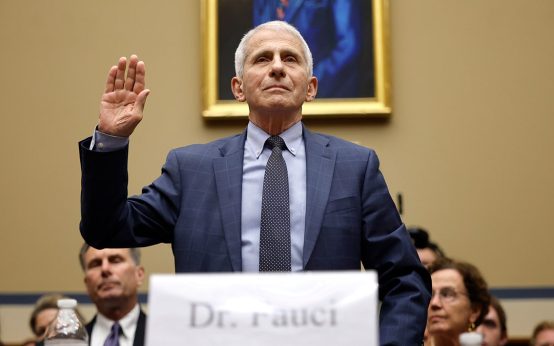 Contempt of Congress: The Case of Dr. Anthony Fauci
  Trump’s Battle Over White House Ballroom: Legal Experts Weigh In
  Senate Approves Temporary Funding Bill Amidst Policy Disagreements
  Toddler Causes Flight Cancellation Due to Seat Belt Issue
  Senate’s Packed Agenda Faces Legislative Challenges
  Pentagon Urges Defense Industry to Increase Weapon Production