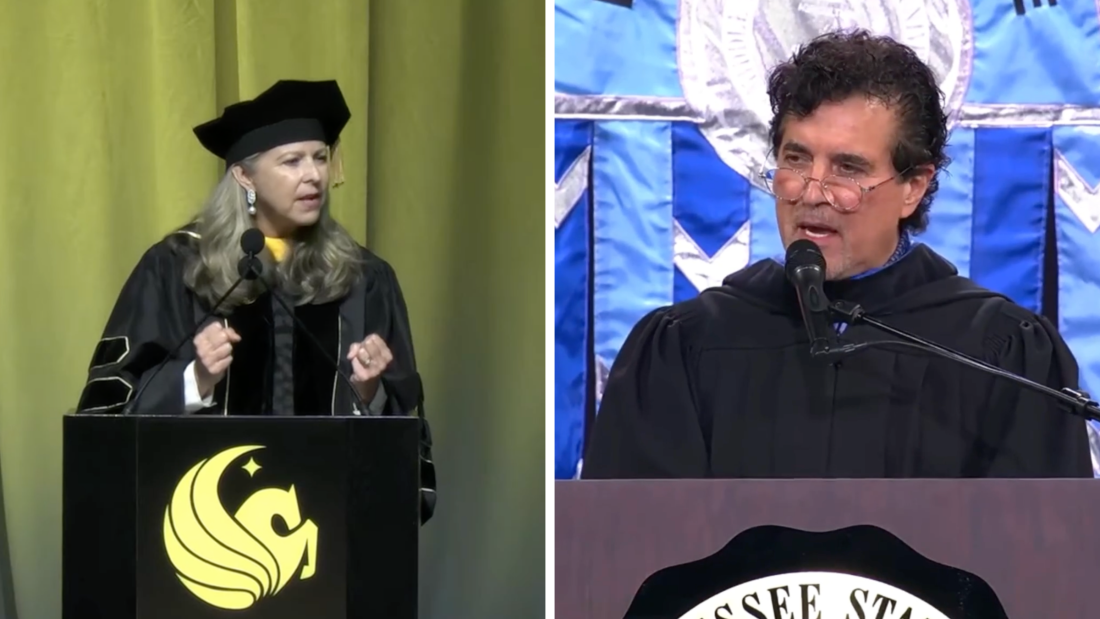
Recent graduation ceremonies have been marked by vocal reactions from students concerning the topic of artificial intelligence. At University of Central Florida, real estate executive Gloria Caulfield faced boos from students during her speech when she referred to AI as “the next industrial revolution.” Her comments were met with immediate disapproval, prompting Caulfield to acknowledge the strong response.
Similarly, at Middle Tennessee State University, students responded negatively when Big Machine Records CEO Scott Borchetta discussed AI’s role in changing production. Despite the boos, Borchetta encouraged graduates to view AI as a tool to be harnessed. Former Google CEO Eric Schmidt also experienced boos when addressing University of Arizona graduates about AI’s inevitable influence.
Glendale Community College encountered issues during their commencement due to the use of a new AI system for reading names. Some names were read incorrectly or missed entirely, leading to audience disapproval. The college president, Tiffany Hernandez, cited technical issues, emphasizing the new system’s role in the confusion.
Graduating students, like Maggie Simmons from University of Denver, have expressed fears that AI could harm employment prospects, particularly for minority communities. AI language models have been criticized for reinforcing systemic biases, and data centers have been noted for environmental impacts in minority areas.
Kareen Gill, a recent American University graduate, commented on her generation’s anxious perspective toward AI. Gill noted a shift from initial excitement to concern over AI potentially replacing entry-level jobs, affecting their post-graduation career opportunities.
A Quinnipiac University poll highlighted generational differences in attitudes toward AI and job prospects, with Gen Z notably pessimistic. 81% believe AI will reduce job opportunities. Associate Professor Chetan Jaiswal emphasized that the overall American sentiment is growing more apprehensive as AI’s effects become apparent.
Gill remarked on AI contributing to wealth inequality and environmental degradation, echoing the poll’s finding that only 5% of Americans feel AI development is driven by their interests.
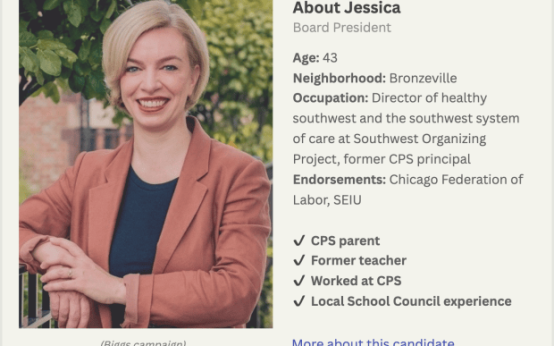 Chicago’s Historic Election for School Board President
  OpenAI Uncovers Russian and Iranian Influence Operations Using AI
  Students Rally Against Sexual Violence
 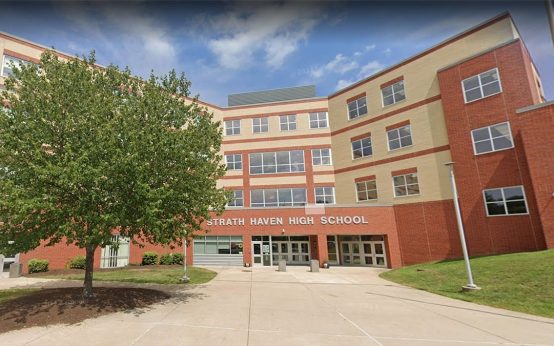 Strath Haven High School Plans Major Renovations with Gender-Neutral Facilities
  U.S. Restricts Microsoft on Foreign Worker Employment
  How iOS, Samsung, and Pixel Phones Tackle Scams and Protect Users