As Congress prepares for its summer recess, notable legislative challenges persist. Key issues, including the Iran war, border enforcement, election laws, and disaster response, return to the agenda repeatedly. This cycle creates a sense of legislative stagnation, leaving many to question the progress being made.
The congressional process is designed to revisit issues through authorization and appropriations, ensuring thorough deliberation. This intense activity typically occurs as a new fiscal year approaches, with elections following closely. Members of Congress are keenly aware of their electoral accountability.
This year, much attention focuses on budget controversies, highlighting the struggle for power and financial control. The authorization process defines policy priorities and spending levels, while appropriations determine actual expenditures. A budget resolution sets allocations for the 12 appropriations bills, ideally enacted by October 1. While the House has passed three bills, no progress is evident in the Senate.
To avert a government shutdown, Congress must pass continuing resolutions (CRs). Last year’s record-length shutdown prompts caution among lawmakers during their campaigns. This summer, both chambers passed CRs that extend current spending levels, except for increased funding for disaster relief, hunger assistance, and veterans’ programs. The House CR extends to December 4, while the Senate’s lasts until December 11.
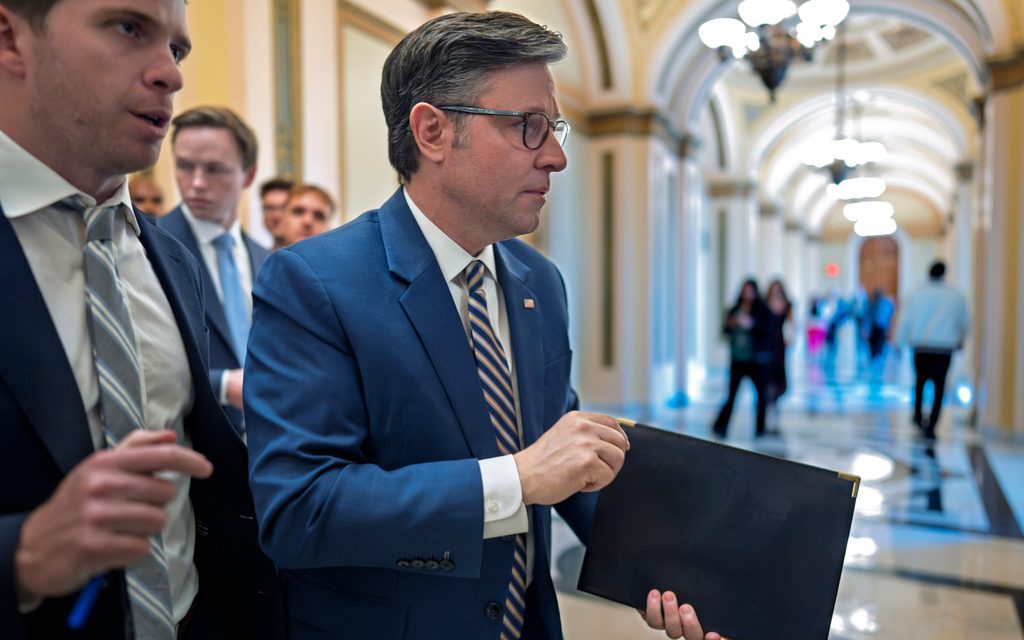
Explaining the lengthy CR, House Speaker Mike Johnson stated the goal was to prevent shutdown blame before elections.
Despite differences in the two CRs, they must be reconciled in September, ahead of the October campaigning recess. Another critical component is budget reconciliation, aligning fiscal targets with realities. The House passed a resolution with $95 billion in spending for defense, agriculture, and state voting restriction grants. Senate Majority Leader John Thune plans to prioritize CR completion before reconciliation in September.
As time dwindles before the new fiscal year, Congress has limited opportunity for legislative sessions. October’s election preparations preclude regular session time, challenging both parties to offer voters notable achievements. The familiar refrain of “at least we didn’t shut down the government again” seems insufficient amidst high-stakes elections.
The common expectation is for the opposition party to gain seats in midterms. However, uncertainty looms as both parties navigate complex messages and majority aspirations. Tensions rise with President Trump’s comments about voter dissatisfaction, while Democrats grapple with the impact of Democratic Socialist candidates in primaries.
The political landscape remains uncertain. As the saying goes, “It ain’t over till it’s over.”
Don Wolfensberger, a 28-year congressional staff veteran, served as chief of staff of the House Rules Committee. He authored several books on Congress, analyzing its democratic processes and cultural shifts.
 Michigan’s Jewish Voters Could Sway the Senate Race
  Trump’s Aircraft Switch Aimed at Ensuring Safety Amid Security Threats
 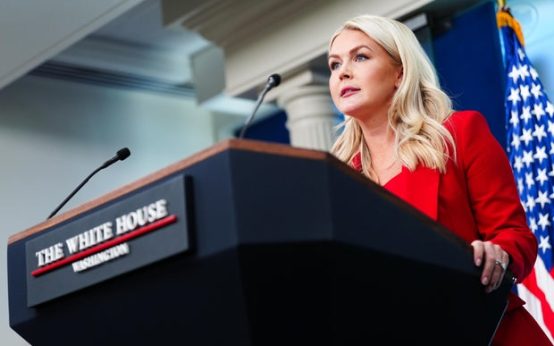 Karoline Leavitt Departs Role as White House Press Secretary
  Analyzing Polling Errors in Francesca Hong’s Election Loss
  Todd Blanche Confirmed as Attorney General Amid Controversies
  Wisconsin Democrats Choose David Crowley for Governor