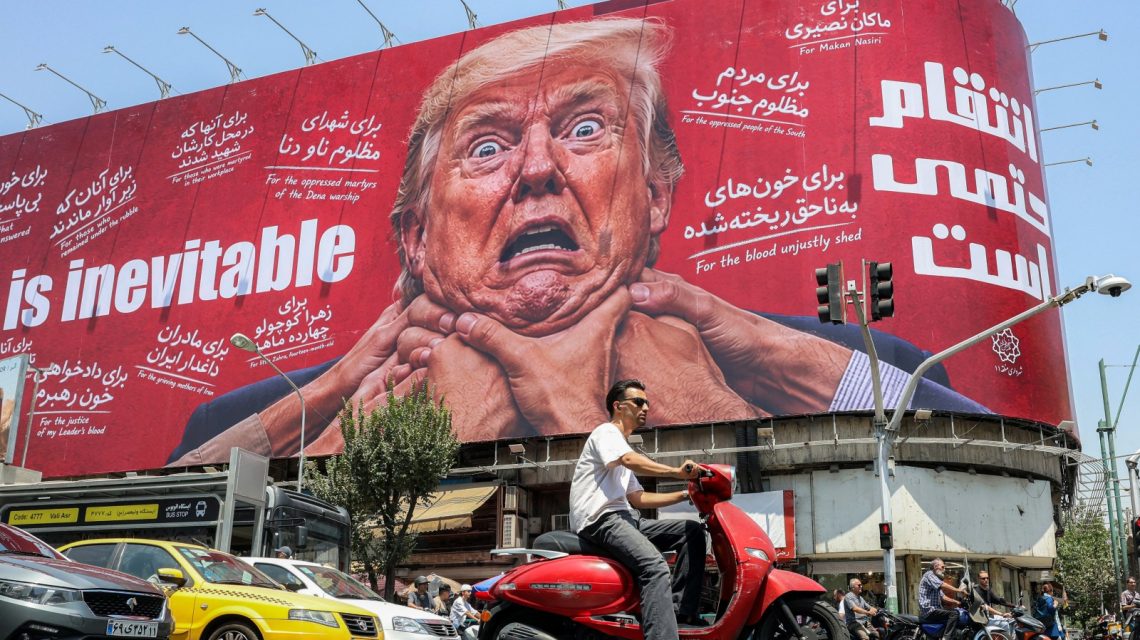
President Donald Trump’s recent warning to impose severe economic measures against Iran reflects ongoing tensions aimed at pressuring the Islamic Republic. The situation follows Trump’s previous statements about potential military actions against Iran, which he later retracted in favor of diplomatic options. While claims of negotiations have surfaced, Trump’s ultimate decision to pause them suggests uncertainty in the U.S. approach.
Despite these threats, Iranian officials remain skeptical, viewing the U.S. warnings as rhetorical. Mehran Kamrava, a professor at Georgetown University in Qatar, points out that Iran may see military escalation as inevitable due to the prolonged stand-off. Trump’s reluctance to engage in talks strengthens voices within Iran favoring conflict.
Trump’s Rhetorical Approach
Trump’s communications throughout the conflict reflect a strategy known as the “madman theory,” suggesting unpredictability in U.S. intentions. This tactic may make global adversaries unsure of Trump’s capabilities. Previous U.S. actions, like intervening in Venezuela or killing Iranian Major General Qassem Soleimani, have shown that the administration can take assertive actions when needed.
The warfare initiated by the U.S. and Israel led to significant Iranian setbacks, yet Iran demonstrated its ability to respond by influencing the Strait of Hormuz, crucial for global oil transportation, and mobilizing allied groups. Iranian Foreign Minister Abbas Araghchi dismissed the latest U.S. threat, while Iranian military leaders warned of improved capabilities if conflict resumed.
Strategic Implications
According to Mohsen Milani from the University of South Florida, both the U.S. and Iran leverage strategic ambiguity to manage tensions and navigate diplomatic channels. For the U.S., unpredictability aims to press Tehran, but Iran’s response shows an ability to continue its strategies without conceding significant ground.
Despite the economic pressure of U.S. sanctions on Iran, Tehran remains determined to maintain its position, even exploiting the situation to consolidate regional influence. Observers note the resilience of Iran in the face of pressure and the belief that Washington’s military strategies have not led to political resolve.
The Path Forward
Recent developments underscore Trump’s intention to intensify economic constraints on Iran, particularly halting trade activities with nations engaging Iran. Still, it is debated whether these measures effectively change Iran’s stance, with analysts like Jon Alterman suggesting Iran is better prepared for a prolonged struggle than the U.S. or its allies.
Both sides face challenges. The U.S. encounters limits in military resources and domestic support, while Middle Eastern allies look for peaceful resolutions amidst economic impacts and uncertain U.S. commitments.
Iran’s strategy focuses on outlasting opposition and strengthening regional economic and military influence. As the situation unfolds, the potential for diplomatic progress remains uncertain, with both nations vying for strategic advantages.
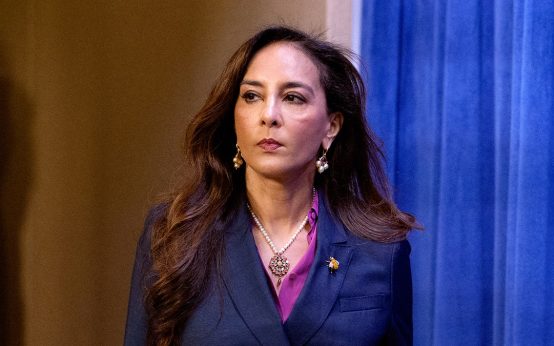 Assistant Attorney General Harmeet Dhillon on Noncitizen Voting Investigation
 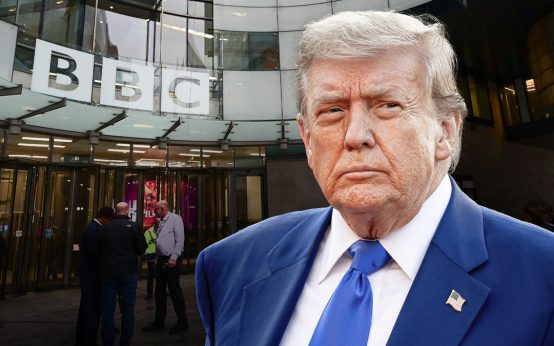 Trump Sues BBC Over Documentary Alterations
  Trump Administration Settles with University of North Carolina Over Discrimination Allegations
  Accountability Beyond the Criminal Legal System
  Virginia Democrats Rally, Highlight War’s Impact Beyond Oil Prices
  Minnesota Raid on Omar’s Home Sparks Political Reaction