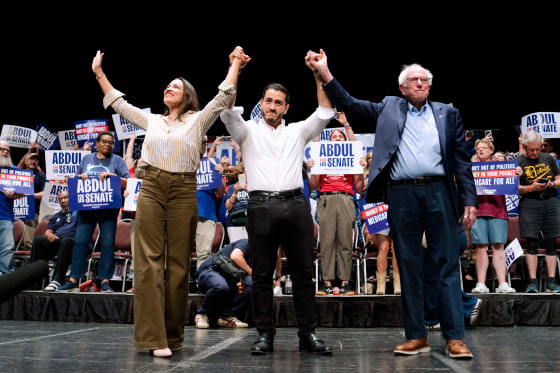
The Democratic primaries in Michigan and Minnesota have generated significant interest and anticipation. Both states are witnessing intense competition as voters prepare to make crucial decisions regarding the candidates who will represent them. These primaries feature a notable contrast between established moderate members of Congress and newer, local candidates aiming to challenge the existing political paradigms.
If Abdul El-Sayed succeeds in securing the Michigan Democratic Senate nomination, attention will be drawn to his potential impact on future political campaigns, specifically the 2028 election cycle. His victory could introduce fresh dynamics into campaign messaging and serve as an influence for other candidates.
In Michigan and Minnesota, this political activity underscores the evolving nature of the Democratic Party. Voters are faced with deciding between maintaining the current trajectory or embracing new ideas introduced by insurgent candidates. These interactions are indicative of broader shifts within the party and highlight the increasing significance of grassroots movements.
As the elections unfold, their outcomes will not only shape immediate political landscapes but also provide strategic insights for those considering future campaigns. The choices made by voters and the subsequent victories or defeats of candidates will carry implications beyond their states, potentially influencing national strategies and political discourse.
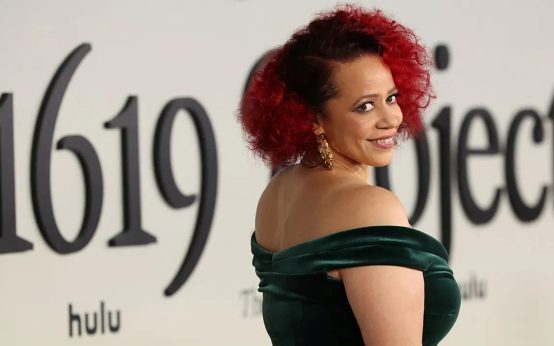 Nikole Hannah-Jones Reflects on School Choice and Its Impact
 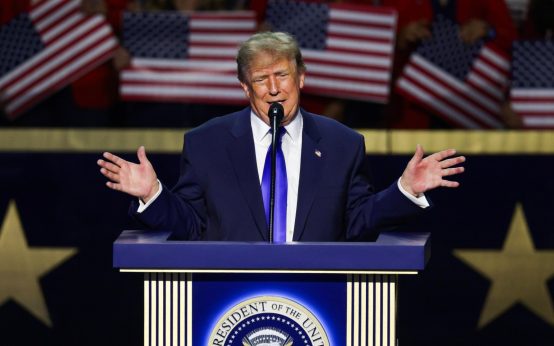 Republican Senator Criticizes Trump’s $5,000 Check Proposal
 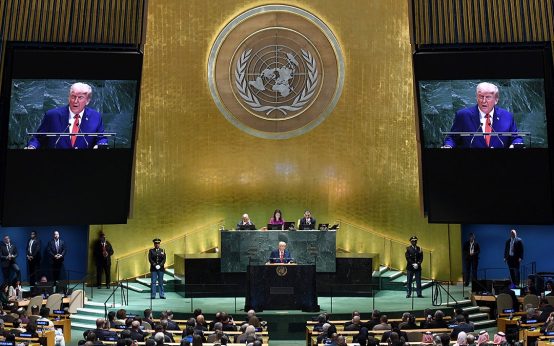 Trump’s Approach to Iran at the United Nations
 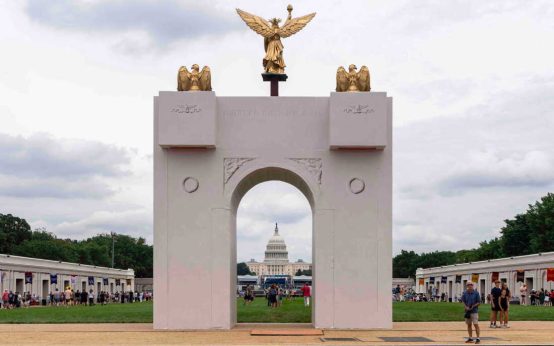 Trump’s Triumphal Arch Controversy
 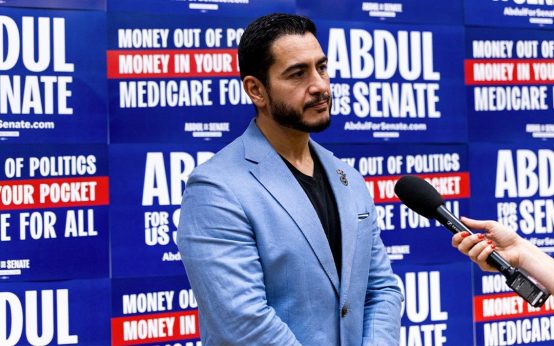 Concerns Over Abdul El-Sayed’s Potential Senate Role and National Security
  Kentucky Governor Andy Beshear Discusses Tariffs, Faith, and Political Ambitions