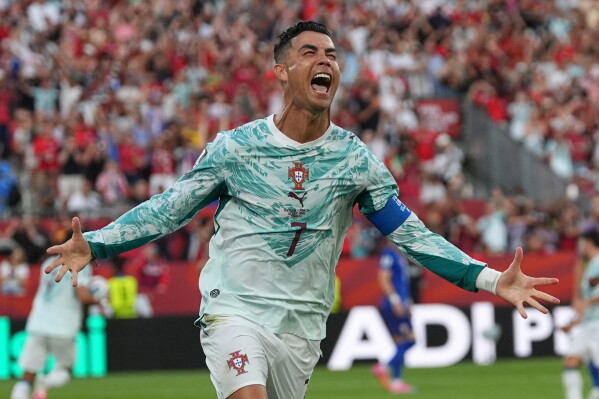
The recent World Cup match between the United States and Bosnia-Herzegovina ended in a 2-0 victory for the U.S. However, a second-half red card issued to star striker Falorin Balogun has left fans and players embroiled in controversy. Balogun will miss the upcoming match against Belgium as a result.
Understanding the Red Card
Red cards represent the most severe form of disciplinary action a referee can take during a game. When a player is given a red card, they are removed from the match without a replacement. This leaves their team with fewer players for the rest of the game. Additionally, the player is suspended from the following match, and potentially more, depending on the severity of the offense.
The red and yellow card system was devised post-1966 World Cup by former referee Ken Aston. The concept came to him while he was at a traffic light, noting, “Yellow, take it easy; red, stop, you’re off.”
Referees have discretion during gameplay to issue cards as they see fit. A second yellow card automatically leads to a red card ejection. Serious offenses like dangerous tackles or violent actions often result in direct red cards. FIFA rules state that using excessive force or endangering an opponent qualifies as serious foul play.
The Incident with Balogun
The red card shown to Balogun led to discussions on whether the foul was intentional or a hard tackle that warranted a yellow card instead. U.S. coach Mauricio Pochettino remarked, “It never was intentional. If the intention is to damage the opponent, OK. But that never was.”
Role of Video Review
The advent of Video Assisted Review (VAR) in the World Cup since 2018 allows referees another tool for making informed decisions. Brazilian referee Raphael Claus did not initially issue a card. However, after VAR review, the red card was enforced. This use of slow-motion replay has sparked debate over whether it amplifies the perception of intent.
Thierry Henry, a former France striker and current World Cup analyst, argued against the red card decision. “Where is the player supposed to put his foot there in that situation?” he questioned.
Implications for Balogun
Balogun’s suspension will keep him out of the game against Belgium. Without the ability to appeal the red card, he can only play in following matches if the U.S. advances past Belgium.
Cristiano Ronaldo once faced a similar situation where most of a ban was deferred, allowing him to play sooner. The lack of an appeals process for standard red cards leaves Balogun with no such options.
Potential Favoritism for Star Players
There have been ongoing discussions about whether high-profile players receive lenient treatment. For example, in a prior match, Lionel Messi avoided a card for a foul that left Algeria’s Aissa Mandi injured. Despite social media backlash, Messi remained on the field and scored a hat trick.
American defender Weston McKennie termed Balogun’s red card as “disappointing,” noting, “I think there’s been many other plays like that throughout the tournament.”
World Cup’s History with Red Cards
Controversy over red cards is nothing new in World Cup history. Famous incidents include David Beckham’s 1998 red card against Argentina and Zinedine Zidane’s 2006 dismissal in the final. Non-calls have also been notable, such as Nigel de Jong’s challenge against Xabi Alonso in 2010.
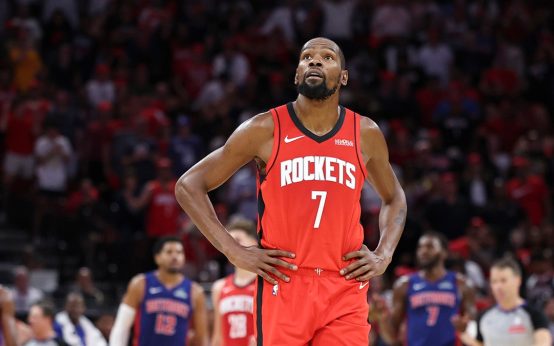 Kevin Durant Chooses to Focus on WNBA Success Amid Gender Debate
 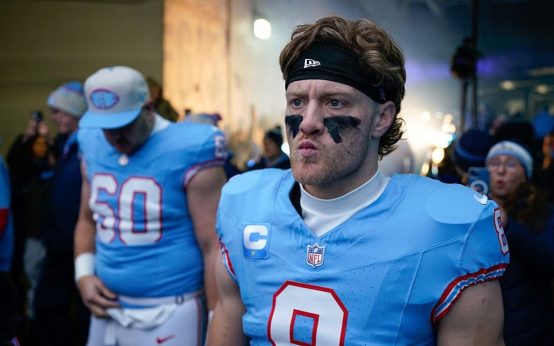 Will Levis Joins New York Jets Practice Squad
 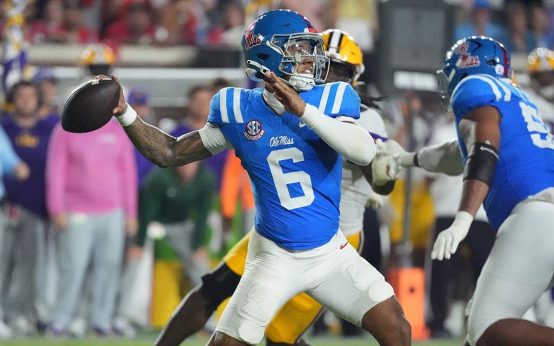 Lane Kiffin’s Overhyped Status: Ole Miss vs LSU Analysis
 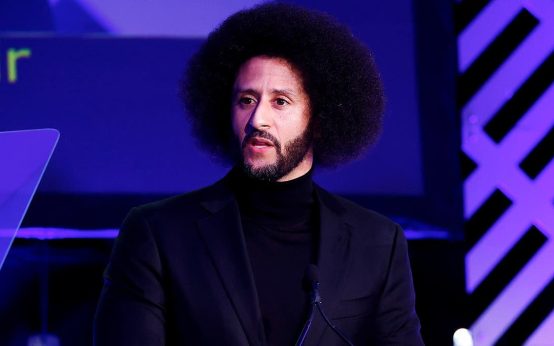 Criticism of Kaepernick’s NFL Draft Comparison
  Sports, Fashion, and Hunting: Latest Highlights
 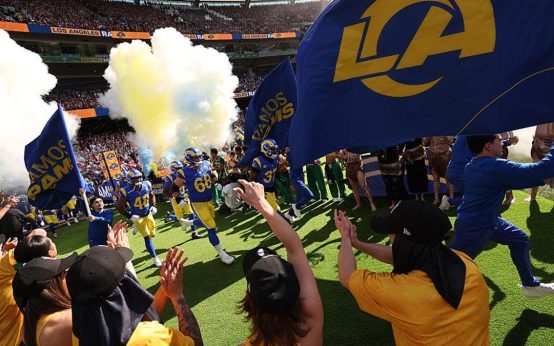 Los Angeles Rams Regain Momentum After Overcoming Australian Setback