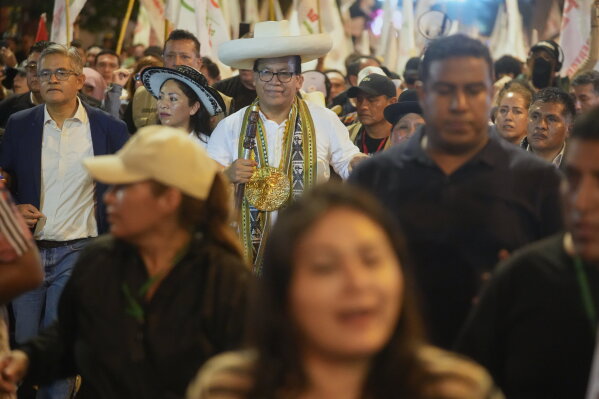
The Cuban Parliament has approved significant economic reforms, hailed as the most substantial since the revolution’s success. Experts view these changes positively. Raúl Guillermo Rodríguez Castro, a negotiator with the United States, emphasized that Cuba poses no threat to its neighbor, despite the ongoing energy blockade imposed by Washington.
In an interview with The National News, Rodríguez Castro, who engaged in talks with U.S. Secretary of State Marco Rubio, expressed Cuba’s willingness for “cordial” discussions. Although he holds no government position, Rodríguez Castro has played a key role in negotiations. He stated, “Cuba does not represent the slightest threat to U.S. national security and interests.”
Since January, the U.S. has intensified financial and energy constraints, aggravating Cuba’s five-year-long crisis. The island experiences extended power outages and restricted access to essential services. President Donald Trump’s policy aims to push for a change in Cuba’s political and economic system. Cuban President Miguel Díaz-Canel has suggested potential economic openings but insists on maintaining the socialist model.
Rodríguez Castro remarked on the difficulty of negotiations in such a hostile environment. Experts argue that the Parliament-approved market reforms hold promise. Still, these reforms might struggle due to various hurdles unless U.S. sanctions lift.
“Elements like the state’s foreign trade monopoly and centralized productive forces have been dismantled,” said Luis Carlos Battista, a Cuban-American political analyst.
The National Assembly of People’s Power has introduced 176 measures to expand private enterprise opportunities. These include allowing imports and exports without state mediation and permits for fast-food chains. Battista, however, noted challenges like bureaucratic inefficiency and trust issues among potential entrepreneurs.
Lee Schlenker, a researcher at the Quincy Institute, emphasized assessing the measures’ real-world application. Schlenker stated that without lifting U.S. sanctions, some reforms could be ineffective. He noted, “They would have real effects only if complemented by the gradual lifting of U.S. prohibitions and sanctions.”
Paolo Spadoni, an associate professor at Augusta University, highlighted that success relies on swift implementation by Cuban authorities. “Cuban leaders must act swiftly for tangible results if they hope to survive this unprecedented crisis and U.S. pressure.”
The reforms met mixed reactions from Cubans. Adolfo Sánchez, a 63-year-old private business employee, expressed optimism about the measures promising improvements during the current hardships.
Meanwhile, Juana Pérez, a 54-year-old home goods seller, voiced skepticism amid ongoing power issues. “This will keep worsening every day,” she said, critiquing the persistent blackouts affecting daily life.
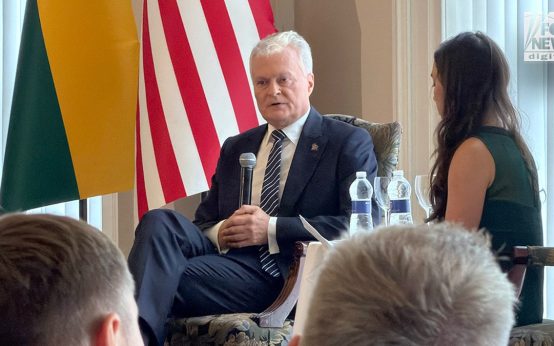 Lithuanian Leader Seeks U.S. Military Commitment Amid Rising Russian Threats
 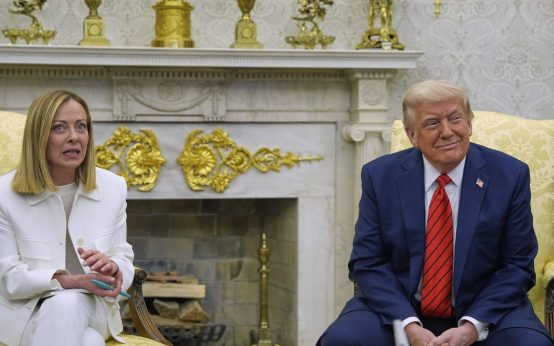 Italian PM Giorgia Meloni Skips UN General Assembly Amid Growing Tensions
  Calls Grow for Ireland’s Soccer Team to Boycott Matches Against Israel
 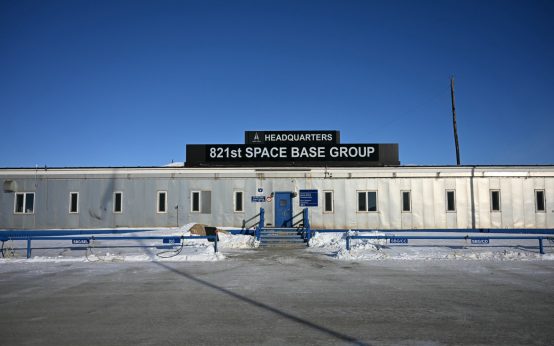 New U.S. Military Bases Planned in Greenland Amid Strategic Security Deal
  Twitch Streamer Hasan Piker Discusses Controversial Commentary
  A Shifting Political Landscape: The Decline of Autocratic Power